Charly Boy Slams Celebrities Over Silence on Nigeria’s Growing Challenges

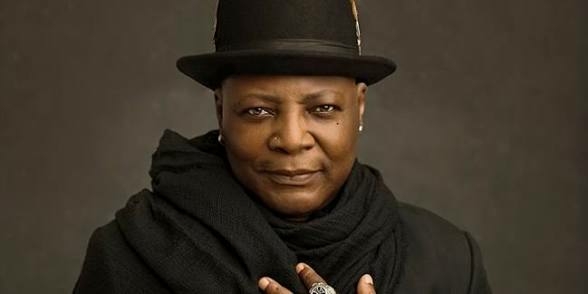
Veteran Nigerian entertainer and social activist Charly Boy has criticized celebrities and public figures whom he believes have remained silent amid the country’s growing economic and security challenges.
Speaking in a video shared across his social media platforms on June 8, 2026, Charly Boy expressed disappointment over what he described as the reluctance of many influential Nigerians to speak up on issues affecting ordinary citizens.
The outspoken activist, whose real name is Charles Oputa, argued that celebrities enjoy significant influence and public support and therefore have a responsibility to use their platforms to advocate for positive change when the nation is facing difficulties.
According to him, many Nigerians are currently grappling with rising living costs, unemployment, insecurity, inflation, and declining purchasing power, yet several prominent figures in the entertainment industry have chosen to remain quiet
Charly Boy noted that the country is going through a period of hardship that requires collective concern and engagement from all sectors of society.
He stated that while entertainers are not politicians, their voices often carry considerable weight and can help draw attention to issues affecting citizens.
The veteran performer questioned why some celebrities who built their careers through public support appear unwilling to address matters that directly affect their fans and followers.
He argued that remaining silent during difficult times could be interpreted as indifference to the struggles of ordinary Nigerians.
The activist emphasized that speaking about national issues does not necessarily mean engaging in partisan politics.
According to him, citizens, including actors, musicians, comedians, influencers, and athletes, have a right to express concern about matters relating to governance, security, economic development, and social welfare.
He encouraged public figures to use their influence responsibly by promoting accountability, awareness, and constructive dialogue.
Charly Boy further stated that meaningful change often begins when influential individuals are willing to raise awareness and encourage conversations about societal problems.
His comments quickly generated reactions across social media platforms, where users expressed varying opinions on the role of celebrities in public affairs.
Some Nigerians agreed with his position, arguing that public figures should speak more openly about issues affecting citizens.
Others maintained that celebrities should be free to decide whether or not they want to comment on political and social matters, noting that not everyone feels comfortable engaging in public advocacy.
Several commentators pointed out that some entertainers have previously faced criticism, threats, or professional consequences after expressing opinions on sensitive national issues.
Charly Boy has long been known for his involvement in social and political activism.
Over the years, he has participated in various campaigns focused on governance, human rights, youth empowerment, and accountability.
His activism became particularly visible during nationwide demonstrations and advocacy movements that called for reforms and improved living conditions.
Supporters describe him as one of the few entertainment figures who consistently uses his platform to discuss public issues, while critics sometimes accuse him of being overly confrontational in his approach.
The discussion sparked by Charly Boy’s remarks has reignited broader conversations about the responsibilities that come with fame and influence.
Media analysts note that celebrities today possess unprecedented reach through social media platforms, allowing them to communicate directly with millions of followers.
As a result, questions often arise about whether public figures should remain neutral on national issues or actively participate in public discourse.
Some experts argue that celebrities can play important roles in raising awareness, mobilizing support for humanitarian causes, and encouraging civic engagement.
Others believe that entertainers should not be pressured into political commentary if they lack expertise or prefer to focus on their careers.
Despite differing opinions, Charly Boy’s comments have once again drawn attention to the challenges currently facing Nigeria and the role influential voices can play in shaping national conversations.
Observers believe the debate is likely to continue as economic concerns, security issues, and governance discussions remain central topics across the country.
For many Nigerians, the discussion goes beyond celebrities alone and touches on broader questions of citizenship, responsibility, and the importance of collective engagement during difficult periods.
Veteran entertainer and activist Charly Boy has criticized celebrities who remain silent on Nigeria’s economic and security challenges, arguing that influential public figures have a responsibility to speak up on issues affecting citizens.
His remarks have sparked widespread debate, with some supporting his call for greater civic engagement and others defending the right of celebrities to stay out of political and social discussions.
The comments have reignited conversations about celebrity influence, public responsibility, and the role prominent voices can play in shaping national discourse.
The veteran entertainer further argued that history has shown how influential voices can help shape public opinion and bring attention to issues that might otherwise be ignored. According to Charly Boy, some of the world’s most significant social movements gained momentum because prominent individuals were willing to use their platforms to amplify the concerns of ordinary people.
He maintained that while celebrities may not have direct control over government policies, they possess the ability to inspire conversations, encourage civic participation, and draw attention to pressing societal challenges. He stressed that silence from influential figures during periods of hardship often leaves citizens feeling abandoned by those they have supported throughout their careers.
Charly Boy also expressed concern about what he described as a growing culture of self-preservation among public figures. He suggested that some celebrities may avoid discussing national issues due to fears of backlash, loss of endorsements, or criticism from political supporters. However, he argued that true leadership often requires courage, especially during difficult times.
The entertainer noted that many young Nigerians look up to actors, musicians, comedians, and influencers as role models. Because of this influence, he believes public figures have an opportunity to encourage constructive engagement, peaceful dialogue, and greater awareness of issues affecting communities across the country.
His remarks have continued to generate conversations within the entertainment industry, where opinions remain divided. Some industry stakeholders agree that celebrities should be more vocal on matters affecting their audiences, while others insist that public figures should not be compelled to take positions on every national issue.
Several analysts have observed that the relationship between entertainment and social advocacy has evolved significantly over the years. With the rise of social media, celebrities now have direct access to millions of followers, making their voices more influential than ever before. As a result, debates about their responsibilities in society have become increasingly common.
Meanwhile, supporters of Charly Boy have praised his consistency in addressing public issues regardless of changing political climates. They argue that his willingness to speak out has made him one of the most recognizable activist voices within Nigeria’s entertainment landscape.
Critics, however, maintain that every individual has the right to decide how they use their platform. Some argue that celebrities contribute to society in different ways, including charitable work, job creation, mentorship, and community development, even if they choose not to comment publicly on political or social matters.
Despite the differing viewpoints, the discussion has once again highlighted the growing expectations placed on public figures in the digital age. As economic concerns, security challenges, and social issues continue to dominate national conversations, questions about the role of celebrities in public discourse are unlikely to disappear anytime soon.
For Charly Boy, the central message remains clear: influence comes with responsibility. He believes that those who enjoy public support should be willing to stand with the people during difficult times, using their voices to advocate for awareness, accountability, and positive change whenever necessary.
As reactions continue to pour in from fans, entertainers, and political observers, his comments have succeeded in reigniting a national conversation about celebrity activism, civic responsibility, and the power of influential voices in shaping public debate.