
Duane Davis Sentenced to at Least 40 Years in Prison Over Tupac Shakur Murder Case

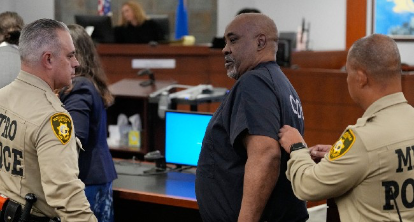
Former gang leader Duane Davis, also known as Keffe D, has reportedly been sentenced to a minimum of 40 years in prison in connection with the murder of legendary American rapper Tupac Shakur.
The development marks a significant moment in one of hip-hop’s most closely followed criminal cases, which has remained unresolved for decades and continued to attract worldwide attention from music fans, investigators and the entertainment industry.
Tupac, widely regarded as one of the most influential rappers in music history, was shot in Las Vegas on September 7, 1996, while travelling in a car after attending a boxing match featuring Mike Tyson. He died six days later, on September 13, at the age of 25.
His death shocked the music world and became one of the most enduring mysteries in hip-hop history. Despite years of investigations, public speculation and numerous theories surrounding the killing, the case remained without a criminal conviction for many years.
Davis, who has publicly discussed his alleged involvement in events surrounding the shooting, became a central figure in the investigation decades after Tupac’s death. His arrest in 2023 brought renewed attention to the case and raised hopes among the late rapper’s family, friends and supporters that the circumstances surrounding his killing would finally be examined in court.
The case attracted particular interest because Davis had previously spoken publicly about the events surrounding the shooting. Investigators examined his statements as part of the inquiry into Tupac’s death, while prosecutors pursued allegations connecting him to the crime.
The reported sentence has renewed discussion about the lengthy process of pursuing justice in cases involving serious violent crimes. Nearly three decades passed between Tupac’s death and Davis’s arrest, illustrating the difficulties investigators can face when trying to establish what happened in an incident long after it occurred.
Tupac’s murder has continued to occupy a unique place in popular culture. Beyond his music, he was known for addressing racism, poverty, violence, social inequality and the experiences of young people growing up in difficult circumstances. His albums, including All Eyez on Me and Me Against the World, helped establish his reputation as one of the defining artists of his generation.
His influence has endured long after his death, with his songs continuing to reach new audiences and his life inspiring documentaries, books, films and discussions about the relationship between hip-hop culture and violence during the 1990s.
The shooting also became closely associated with the wider tensions within the hip-hop scene during that period. Tupac’s public conflict with other artists, particularly amid the highly publicised East Coast-West Coast rap rivalry, contributed to years of speculation about the possible motives behind his killing. However, speculation surrounding the case has often extended beyond what could be established through official investigations and court proceedings.
The legal proceedings involving Davis have therefore attracted considerable scrutiny, with many observers interested in how prosecutors intended to establish responsibility for the killing and what evidence would be considered by the court.
The reported sentence of at least 40 years would represent a substantial prison term, reflecting the seriousness of the murder case. However, the exact sentencing details and legal outcome should be confirmed against official court records, as the information provided for this report does not independently establish the precise judgment.
The case has also renewed conversations about accountability for violent crimes and the impact such incidents have on victims’ families and communities. For those who knew Tupac personally, the case represents more than a long-running news story; it concerns the loss of a young artist whose career was cut short at the height of his influence.
For millions of fans, Tupac remains a symbol of artistic expression, social commentary and the complicated realities of fame. His music continues to be celebrated, while the circumstances surrounding his death remain a subject of considerable public interest.
As the case continues to attract attention, the legal record remains the most reliable basis for understanding the findings against Davis, the sentence imposed and any further proceedings that may follow.
Tupac Shakur’s legacy has long outlived the violence that ended his life. The latest development has once again brought his name into the headlines, reminding the world of the enduring impact of his music and the decades-long search for accountability in his killing.