
Brandy Speaks Out After Fans Express Concern Over Her Appearance, Calls for Kindness Amid Online Speculation

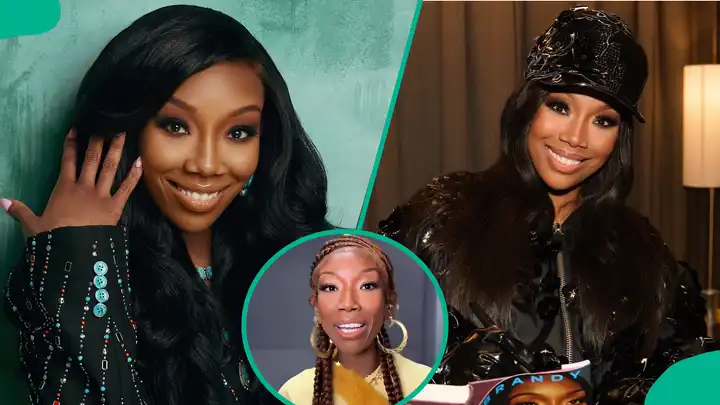
Award-winning American singer, songwriter, and actress Brandy Norwood has finally addressed the wave of online reactions surrounding her recent appearance, responding with grace after social media users expressed concern and sparked widespread discussions about her health and physical look.
The Grammy-winning star became a trending topic after recent photos and videos of her surfaced online, prompting thousands of fans to comment on what they perceived as noticeable changes in her appearance.
While many supporters simply expressed concern and wished her well, others made insensitive remarks that quickly spread across various social media platforms.
The discussions eventually reached Brandy herself, leading the celebrated entertainer to break her silence.
Reacting to the comments, Brandy questioned why some people would choose to hurt another person’s feelings based solely on appearance.
Her emotional response highlighted the impact that careless online criticism can have, even on public figures who have spent decades in the entertainment industry.
Although she did not directly address every specific comment, the singer made it clear that words carry weight and that people should exercise compassion before making judgments about others.
Her response immediately resonated with fans around the world, many of whom praised her maturity and vulnerability.
Supporters flooded social media with messages of encouragement, reminding the singer of the positive influence she has had on generations through her music, acting career, and inspirational journey.
Several fans pointed out that celebrities often face unrealistic beauty standards and constant public scrutiny that ordinary people rarely experience.
They argued that individuals should be allowed to age naturally without becoming targets of unnecessary criticism.
Others stressed that physical appearance alone should never become the basis for assumptions about a person’s health, happiness, or overall well-being.
Brandy has enjoyed one of the most successful careers in contemporary R&B.
Since emerging as a teenager in the 1990s, she has built an impressive legacy through chart-topping albums, hit singles, successful acting roles, and numerous awards.
Known affectionately by many fans as the “Vocal Bible,” Brandy has consistently been praised for her distinctive voice, remarkable vocal technique, and lasting influence on younger generations of artists.
Beyond music, she became a household name through television, particularly her starring role in the popular sitcom Moesha, which introduced her to millions of viewers around the world.
Over the years, she has also appeared in several films and television productions while continuing to release new music and perform internationally.
Despite her accomplishments, Brandy has remained open about various personal struggles throughout her life.
She has previously spoken publicly about mental health, self-confidence, and the pressures associated with fame, often encouraging others to prioritise emotional well-being over public approval.
Mental health advocates say Brandy’s latest comments highlight an important issue affecting both celebrities and ordinary social media users.
According to experts, online criticism regarding physical appearance can significantly affect emotional well-being, self-esteem, and mental health, regardless of a person’s fame or success.
They argue that the culture of commenting on people’s bodies has become increasingly common across digital platforms, often encouraging unnecessary comparisons and harmful assumptions.
Entertainment commentators also note that women in particular frequently face intense pressure to maintain youthful appearances throughout their careers.
Ageing, weight fluctuations, illness, stress, and natural physical changes are often met with excessive public attention, creating unrealistic expectations that can affect confidence and emotional health.
Brandy’s response has therefore reignited broader conversations about body shaming, online bullying, and the importance of empathy in digital interactions.
Many supporters have urged internet users to focus less on appearances and more on celebrating people’s achievements, character, and contributions.
Several fellow entertainers also expressed support, encouraging kindness and reminding followers that celebrities experience emotions just like everyone else.
For many fans, Brandy’s willingness to speak openly about the emotional impact of online comments demonstrates courage and authenticity.
Rather than responding with anger, she chose to encourage compassion while reminding people that every individual deserves respect regardless of appearance.
As discussions continue across social media, many supporters hope the incident will encourage greater awareness about the consequences of online criticism and inspire more thoughtful interactions.
For Brandy, however, the overwhelming response from loyal fans has served as a powerful reminder that kindness often speaks louder than negativity.
After decades in the spotlight, the legendary singer continues to inspire audiences not only through her extraordinary talent but also through her resilience, honesty, and unwavering commitment to remaining true to herself despite the constant pressures of public life.