
Rita Edochie Criticizes Wedding MC Over Alleged Double Standard in Marriage Vows

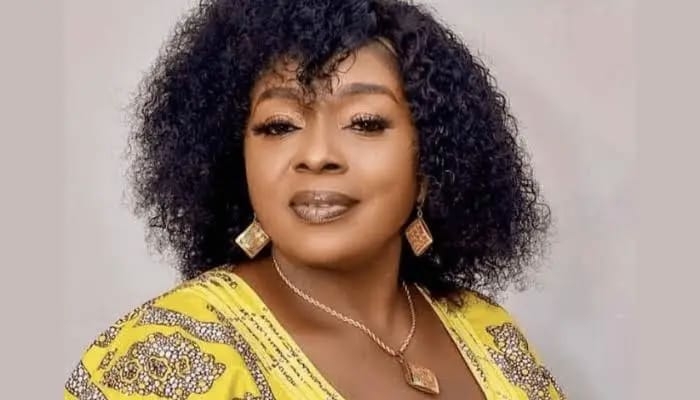
Veteran Nollywood actress Rita Edochie has sparked conversations on social media after openly criticizing a wedding master of ceremonies (MC) over what she described as a “double standard” approach to the administration of marriage vows during a wedding ceremony.
The actress, known for her outspoken opinions on social issues and family values, expressed dissatisfaction with the manner in which the wedding proceedings were conducted, arguing that the responsibilities expected of husbands and wives should be balanced rather than disproportionately placed on one partner.
According to Rita Edochie, she was disturbed by the wording of the vows and instructions given during the ceremony, which she believes placed greater obligations on the bride while giving the groom considerably less responsibility.
Sharing her thoughts, the actress questioned why, in many traditional and modern wedding ceremonies, women are often reminded to be submissive, patient, respectful, and supportive, while similar emphasis is not placed on the duties expected of men in marriage.
She argued that marriage should be built on mutual respect, understanding, love, sacrifice, and shared responsibility rather than expectations that appear to favour one spouse over the other.
The Nollywood star maintained that both partners enter marriage as equals who should complement each other, adding that a successful union requires commitment from both husband and wife.
According to her, any message delivered during a wedding ceremony should encourage fairness and remind couples that maintaining a healthy relationship depends on cooperation rather than one-sided obligations.
Rita Edochie further stated that many marital problems begin when one partner is repeatedly expected to make sacrifices while the other receives little or no corresponding reminder of their own responsibilities.
She explained that modern marriages thrive when both spouses understand the importance of communication, trust, emotional support, loyalty, and accountability.
The actress emphasized that husbands should be consistently encouraged to love, protect, honour, and respect their wives just as wives are encouraged to respect and support their husbands.
She noted that presenting marriage as a partnership built on equality and mutual commitment would contribute positively to stronger and healthier families.
Her comments quickly generated widespread reactions across social media, where many users shared differing opinions regarding traditional marriage vows and gender expectations within relationships.
A number of social media users agreed with Rita Edochie’s position, arguing that marriage counselling and wedding ceremonies should place equal emphasis on the responsibilities of both partners.
Supporters maintained that modern relationships require mutual understanding rather than outdated expectations that place heavier emotional or domestic responsibilities on women.
Others argued that both spouses should receive identical guidance on love, faithfulness, patience, forgiveness, and commitment because successful marriages depend on teamwork rather than hierarchy.
However, some users disagreed with the actress, insisting that many wedding vows simply reflect long-standing religious or cultural traditions which have guided marriages for generations.
They argued that such traditions should not necessarily be interpreted as promoting inequality but rather as emphasizing different complementary roles within marriage.
Relationship counsellors who joined the discussion observed that changing social dynamics have influenced how many couples now approach marriage.
According to family experts, contemporary marriages increasingly emphasize partnership, shared decision-making, financial cooperation, emotional intelligence, and open communication.
They explained that while cultural and religious traditions remain important to many families, healthy marriages ultimately depend on both spouses demonstrating commitment, empathy, honesty, and mutual respect.
Marriage educators also noted that successful relationships are rarely sustained through one-sided sacrifice.
Instead, they stressed that long-lasting unions are built when both individuals consistently invest time, effort, understanding, and emotional support into the relationship.
Rita Edochie has frequently used her public platform to discuss family values, parenting, relationships, and social issues affecting society.
Her latest remarks have once again generated meaningful conversations about evolving expectations within marriage and the importance of treating husbands and wives as equal partners committed to building a stable home together.
As reactions continue to pour in, many observers believe the discussion extends beyond a single wedding ceremony and reflects broader societal conversations about marriage, gender roles, and the evolving understanding of partnership in modern families.
Whether viewed from cultural, religious, or contemporary perspectives, the debate has highlighted the growing interest among Nigerians in promoting marriages founded on fairness, mutual respect, and shared responsibility.
For many participants in the conversation, Rita Edochie’s comments serve as a reminder that while traditions may differ, the ultimate goal of every marriage should be the creation of a loving, supportive, and respectful union where both partners feel equally valued and appreciated.