
Israeli Minister Sparks Diplomatic Row After Comparing Erdoğan to Hitler and Sinwar

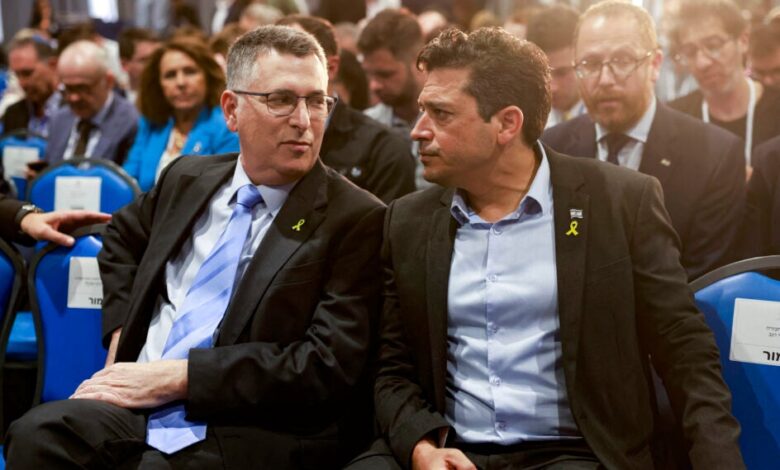
A fresh diplomatic dispute has erupted between Israel and Türkiye after Israel’s Minister for Diaspora Affairs made highly controversial remarks about Turkish President Recep Tayyip Erdoğan, describing him as a “grotesque hybrid of Hitler and Sinwar.”
The comments have intensified the already strained relationship between the two countries, which has deteriorated significantly over their opposing positions on the ongoing conflict in the Middle East.
The Israeli minister made the remarks while responding to recent statements from the Turkish leadership criticizing Israel’s military operations and its handling of the conflict in Gaza. According to the minister, Erdoğan’s rhetoric and policies have become increasingly hostile toward Israel, prompting what he described as a forceful response from the Israeli government.
By comparing the Turkish president to Adolf Hitler, the architect of the Holocaust, and Yahya Sinwar, the late Hamas leader widely regarded by Israel as one of the principal figures behind attacks against Israeli civilians, the minister delivered one of the strongest public criticisms ever directed at Erdoğan by a senior Israeli official.
The remarks immediately drew international attention, generating reactions from political analysts, diplomats, and observers who warned that such inflammatory language could further complicate diplomatic efforts aimed at reducing regional tensions.
Relations between Israel and Türkiye have experienced repeated periods of tension over the past decade despite maintaining important economic and commercial ties.
While both countries have cooperated in areas such as trade, tourism, and regional commerce, political disagreements—particularly concerning the Israeli-Palestinian conflict—have frequently strained diplomatic relations.
President Erdoğan has remained one of Israel’s most vocal international critics, repeatedly condemning Israeli military actions in Gaza and calling for stronger international intervention to protect Palestinian civilians.
The Turkish government has consistently advocated for an immediate ceasefire, expanded humanitarian access, and renewed diplomatic efforts toward achieving a lasting political solution based on international law.
Israel, on the other hand, has defended its military operations as necessary measures to protect national security and respond to attacks carried out by armed groups operating from Gaza.
Israeli officials have repeatedly argued that their actions are directed against militant organizations rather than civilians, while rejecting accusations made by several governments and international organizations regarding their conduct during the conflict.
Political analysts believe the latest exchange reflects the increasingly confrontational tone that has characterized communications between senior officials from both countries in recent months.
According to foreign policy experts, public rhetoric has become significantly more aggressive as regional tensions continue to rise, making diplomatic engagement increasingly challenging.
Observers note that statements made by senior political figures often carry considerable diplomatic consequences, particularly when they involve comparisons to historical figures associated with genocide or internationally designated militant organizations.
Many analysts argue that such language can deepen divisions, reduce opportunities for constructive dialogue, and complicate future diplomatic negotiations.
International relations specialists have emphasized that despite profound political disagreements, maintaining diplomatic communication remains essential for regional stability.
They argue that both Israel and Türkiye occupy strategically important positions in the Middle East and continue to play significant roles in regional security, trade, migration, and international diplomacy.
Several governments have continued to encourage restraint from all parties while calling for renewed diplomatic engagement aimed at preventing further escalation.
Humanitarian organizations have likewise urged political leaders to focus on efforts that promote dialogue, protect civilians, and support peaceful conflict resolution rather than exchanges capable of intensifying existing tensions.
The latest controversy also comes at a time when the broader Middle East continues to experience significant political and security challenges, with multiple governments seeking ways to reduce instability while responding to ongoing humanitarian concerns.
Diplomatic observers believe that although the verbal confrontation has further strained bilateral relations, both countries may eventually seek avenues for continued engagement given their longstanding economic interests and regional responsibilities.
Trade between Israel and Türkiye has remained substantial despite recurring political disagreements, leading some analysts to suggest that economic cooperation may continue even during periods of diplomatic friction.
Meanwhile, international attention remains focused on how both governments will manage their relationship in the coming months as developments across the region continue to evolve.
For now, the Israeli minister’s remarks have added another chapter to the increasingly tense relationship between Jerusalem and Ankara, highlighting the growing political divisions that continue to shape diplomatic discourse surrounding the Middle East conflict.
Whether the latest exchange results in further diplomatic measures or renewed efforts at engagement remains uncertain, but observers agree that the incident underscores the fragile state of relations between two of the region’s most influential nations.