Oluebube Obio Draws Mixed Reactions After Appearance at APC Campaign Event in Bayelsa

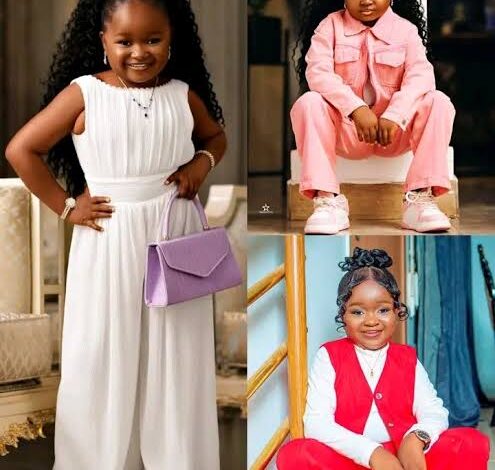
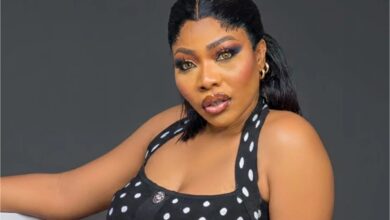
Nollywood actress Oluebube Obio has sparked mixed reactions after appearing at an All Progressives Congress (APC) campaign event in Bayelsa State, with some fans questioning her decision to participate in the political gathering.
The actress was present at the event on Thursday, September 3, 2026, where she was welcomed before a large crowd. Videos from the programme later circulated on social media, attracting considerable attention from her followers and other Nigerians.
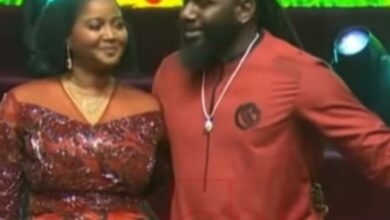
Oluebube was given a visible role at the event and participated in the presentation of awards to some recipients. She also interacted with people at the gathering and appeared relaxed throughout the programme.
One of the lighter moments came during her introduction on stage. A humorous comment was made about her petite stature, prompting the actress to respond playfully and joke about the remark. The exchange entertained the audience and became part of the footage shared online.
However, the political setting quickly became the main focus of discussion.
Some of Oluebube’s fans expressed disappointment over her appearance at an APC campaign programme, while others defended her decision, arguing that entertainers have the same right as other citizens to participate in political activities.
The disagreement reflects a growing debate over the involvement of Nigerian celebrities in politics.
Popular entertainers often have large followings, particularly among young people, and their presence at campaign events can generate significant publicity for political parties.
Because of their influence, some fans expect celebrities to remain neutral or to explain their political choices when they publicly associate with a political organisation.
Others believe celebrities should not be expected to surrender their personal political preferences simply because they are famous.
Oluebube’s appearance has therefore raised questions about whether her participation should be viewed as a formal political endorsement or simply attendance at an event where she had been invited to perform a role.
No detailed public statement has been made by the actress explaining the reason for her appearance or clarifying whether she officially supports the APC.
That has left social media users to draw their own conclusions from the videos.
The situation also demonstrates how difficult it can be for public figures to separate their professional activities from their personal lives.
A celebrity attending a political programme may be doing so for professional, social or personal reasons, but the public nature of such events can make the appearance appear politically significant.
This becomes even more pronounced when the celebrity is invited on stage, publicly recognised or involved in the programme.
Nigeria’s entertainment industry has maintained a long relationship with politics.
Musicians, actors, comedians and other public figures have appeared at campaign rallies, endorsed candidates, performed at political events and, in some cases, contested elections themselves.
Social media has made these interactions more visible and has also made public reactions much faster.
A video posted online can attract thousands of comments within hours, with supporters and critics debating the celebrity’s decision.
Oluebube’s case followed the same pattern.
While some users criticised her, others urged people to respect her political freedom and avoid attacking her because of her association with a particular party.
The controversy has also highlighted the increasingly important role celebrities play in political communication.
Political parties can benefit from entertainers who attract large crowds and generate online engagement.
Their presence can make campaign events more appealing to younger audiences and create additional social media content.
At the same time, celebrities who become politically associated with one party may face criticism from followers who support opposing political groups.
This can create tension between a public figure’s personal choices and the expectations of their audience.
The issue is particularly relevant as Nigeria moves towards the 2027 general election, with political parties already working to strengthen their structures and attract public support.
The APC and opposition parties are expected to rely heavily on public figures, community leaders and other influential personalities as their campaigns develop.
Bayelsa is also an important political environment within the Niger Delta, making political activities in the state a subject of considerable interest.
Oluebube’s appearance consequently attracted attention beyond the entertainment value of the event.
The actress has established herself as a recognisable face in Nollywood, particularly through roles that have connected with audiences who enjoy comedy and drama.
Her popularity means that her public appearances are likely to receive attention, especially when they occur in politically charged environments.
For now, the reactions surrounding her Bayelsa appearance remain divided.
Critics believe celebrities should consider the impact of their political associations on their followers, while supporters of Oluebube maintain that she should be allowed to make her own decisions about political participation.
The episode has also reignited the broader question of whether entertainers should use their popularity to influence political conversations or remain focused solely on their careers.
There is no single answer to that question. Celebrities, like other citizens, have the right to participate in public affairs, but their visibility means their decisions are often subjected to greater scrutiny.
As political activities increase ahead of 2027, similar controversies involving entertainers are likely to emerge.
For Oluebube, her appearance at the APC campaign event has placed her in the middle of that growing conversation.
Whether the appearance represents political support or was simply part of her participation in the programme remains open to interpretation.
What is clear is that the event has generated significant online discussion and once again demonstrated the powerful intersection between Nigeria’s entertainment industry, celebrity influence and politics.