Tinubu Appeals for More Time, Says Administration Is Correcting Past Mistakes

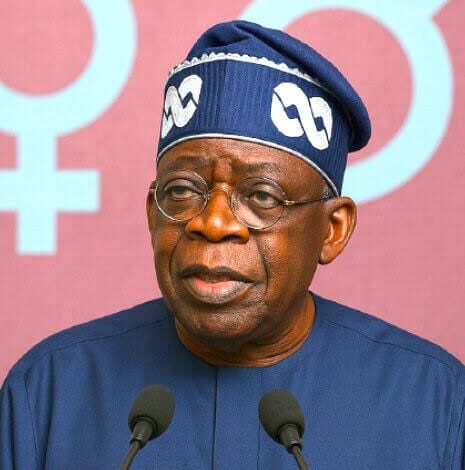
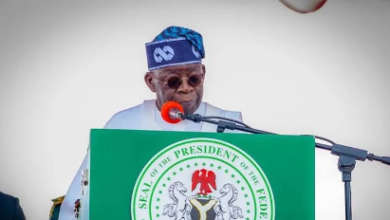
President Bola Ahmed Tinubu has appealed to Nigerians to give his administration more time to complete the programmes and reforms it has begun, saying the government is working to address longstanding problems inherited from previous administrations.
Tinubu made the appeal in a message delivered on his behalf by the Speaker of the House of Representatives, Tajudeen Abbas, during a special prayer session at the National Mosque in Abuja as part of activities marking Nigeria’s 66th Independence Anniversary.
The President used the occasion to reflect on Nigeria’s journey since independence, acknowledging that the country had experienced both significant challenges and opportunities over the decades.
He said Nigeria had reached a level of maturity as a nation and urged citizens not to lose confidence in the country despite the difficulties that have accompanied its development.
Tinubu said his administration was focused on restoring peace, promoting development and addressing what he described as accumulated mistakes and missed opportunities from previous governments.
He argued that the challenges facing Nigeria did not emerge under one administration but developed over many years, making it necessary for government to take a long-term approach to addressing them.
The President’s message centred on the need for patience as his administration continues with its reform programme.
He maintained that the government is correcting what he described as cumulative mistakes of the past while attempting to put the country on a more stable economic and developmental path.
Tinubu also expressed optimism about Nigeria’s future, saying the country was moving towards greater peace and development.
He urged Nigerians not to lose hope despite the sacrifices many citizens have made as the country continues to deal with economic pressures and other national challenges.
The appeal comes as the Federal Government continues to defend the direction of its reform agenda and argue that some of the measures being implemented require time before their full effects can be felt.
Since assuming office, Tinubu’s administration has introduced major economic reforms, including changes to fuel subsidy policy and foreign exchange management.
The reforms have generated significant debate across the country because of their effects on household expenses, transportation costs, businesses and the general cost of living.
Supporters of the administration have argued that the measures are intended to correct structural weaknesses and create a more sustainable economic environment.
Critics, however, have raised concerns about the immediate impact of the reforms on ordinary Nigerians and have called for stronger measures to cushion the effects of rising living costs.
Tinubu’s latest message appears to acknowledge the difficulty of the period while asking citizens to allow the government more time to pursue its stated objectives.
The President said Nigerians had already made sacrifices for the country and suggested that the government should now be given an opportunity to complete the work it has started.
His comments also come against the backdrop of preparations for the 2027 general elections, when Tinubu is expected to seek another term in office.
The request for more time therefore carries both an economic and political dimension, although the President’s remarks at the National Mosque were framed around the country’s development and anniversary reflection.
The 66th Independence Anniversary has provided an opportunity for the government to highlight its reform agenda and outline its vision for the coming years.
The Federal Government has adopted the theme, “From Reforms to Stability: Consolidating Nigeria’s Renewed Hope for Shared Prosperity,” for the anniversary activities.
The theme reflects the administration’s stated position that its reforms are intended to move the country from a period of difficult adjustments towards greater economic stability.
The government has maintained that reforms require consistency and time to produce lasting results.
At the same time, Nigerians continue to face concerns over inflation, purchasing power, unemployment, insecurity and the cost of essential goods and services.
These issues are expected to remain major subjects of public debate as the administration moves further into its tenure.
Tinubu’s appeal for patience is therefore likely to be assessed by citizens against their personal experiences with the economy and public services.
For the administration, however, the argument remains that reversing longstanding problems cannot be achieved instantly and that continuity is necessary to complete ongoing programmes.
The President also linked national progress to peace and stability.
He said peace was gradually returning to the country and expressed confidence that development would follow as Nigeria continued along its democratic path.
Security remains another major challenge for the Federal Government, with different parts of the country continuing to experience terrorism, kidnapping, banditry and other forms of violent crime.
The administration has continued to highlight military and security operations as part of its efforts to improve national security.
The President’s message also emphasised the importance of maintaining hope in the country’s future.
He urged Nigerians to recognise the opportunities available to the country while acknowledging the difficulties that have affected its development since independence.
Nigeria’s long-term development has been shaped by periods of economic growth, political instability, military rule, democratic transitions, economic reforms and repeated efforts to diversify the economy.
Tinubu’s administration has positioned its current reform programme as another attempt to address structural challenges and establish conditions for sustained growth.
Whether the reforms ultimately deliver the results promised by the government will depend on their implementation, economic conditions and the ability of public institutions to translate policies into measurable improvements in citizens’ lives.
For now, the President is asking Nigerians to remain patient and give his administration additional time.
His message comes at a politically important period, with parties and political movements already preparing for the 2027 elections and debates intensifying over the country’s economic direction.
The coming months are expected to bring greater scrutiny of the administration’s record, particularly in areas such as economic growth, inflation, employment, infrastructure, electricity, security and social welfare.
For Nigerians, the central question will remain whether the government’s reforms and programmes produce improvements that are felt beyond official policy announcements.
Tinubu’s latest appeal places emphasis on continuity, arguing that the administration needs sufficient time to complete the work it has begun.
As the country marks another year of independence, the President has called on citizens not to abandon hope and has expressed confidence that Nigeria can overcome its longstanding challenges.
The debate over the government’s performance, however, will continue as Nigerians assess the reforms against their everyday experiences and the promises made by political leaders.
With the 2027 election approaching, Tinubu’s appeal for more time is likely to become an important part of the broader political conversation about the direction of Nigeria and whether the current administration should be given an opportunity to continue its programme.