
Afrobeats Takes Over the World as Nigerian Artists Dominate Global Charts in 2026

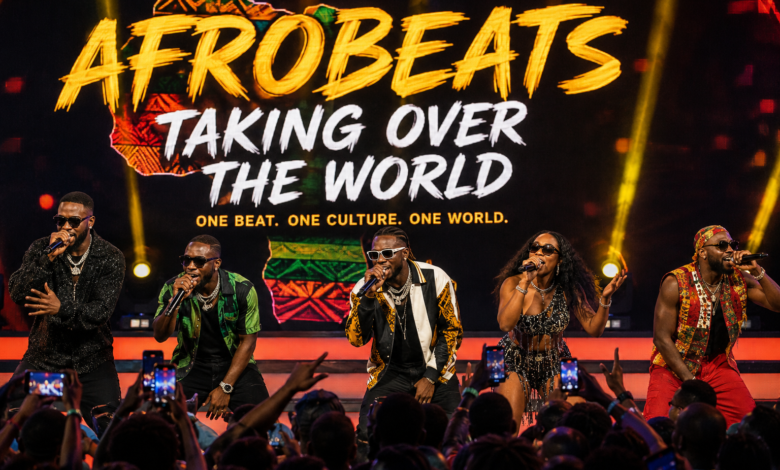
The influence of Afrobeats is no longer a conversation about “rising popularity” — it has officially become a global movement. From sold-out stadiums in Europe to chart-topping collaborations in America and Asia, Nigerian artists are now shaping the sound of modern music across continents.
Over the past few months, international streaming platforms have reported a massive increase in Afrobeats listeners, with songs from Nigerian stars consistently appearing on global playlists. Music analysts say the genre has evolved from a niche African sound into one of the most powerful forces in entertainment today.
Artists like Burna Boy, Wizkid, Davido, and Tems continue to break records internationally, while newer acts are rapidly gaining recognition abroad. Industry experts believe Afrobeats is experiencing its biggest global expansion yet, with major labels investing heavily in African talent.
Concert organizers across the UK, Canada, and the United States have also confirmed a sharp rise in ticket sales for African music events. Some shows reportedly sold out within minutes, proving the demand for Afrobeats has reached unprecedented levels.
Social media platforms have further amplified the movement. Viral dance challenges on TikTok and Instagram continue to push Nigerian songs into international markets, allowing upcoming artists to gain global exposure almost overnight. Several tracks released earlier this year have already crossed millions of streams within days of release.
Music critics also point to the genre’s unique blend of rhythm, storytelling, and cultural identity as the reason audiences around the world are connecting deeply with it. Unlike previous years where African artists mainly collaborated with Western musicians for visibility, many Nigerian artists are now leading projects and inviting foreign stars into their own musical space.
Fashion and lifestyle brands are also tapping into the Afrobeats wave. Luxury companies, sports brands, and international media outlets have increasingly partnered with African entertainers, recognizing the growing cultural influence of Nigeria’s music industry. Some Nigerian artists have become global ambassadors for major brands, further proving the entertainment sector’s international impact.
Beyond music, Afrobeats has boosted tourism and cultural interest in Nigeria. Foreign fans are now traveling to Lagos for concerts, nightlife experiences, and entertainment festivals. Hotels, restaurants, and local businesses continue to benefit from the influx of visitors attending major music events.
Meanwhile, industry insiders believe the next phase of Afrobeats may include more African-language songs dominating international charts. Songs performed in Yoruba, Pidgin, Igbo, and other local languages are now receiving global attention without artists needing to heavily modify their sound for Western audiences.
Many fans online have described this era as the “golden age” of African entertainment, praising Nigerian artists for changing global perceptions about African music and creativity. Others believe the success of Afrobeats will inspire more investment in Nigeria’s creative industry, opening doors for filmmakers, dancers, fashion designers, and content creators.
As the genre continues to expand, one thing is becoming increasingly clear: Afrobeats is no longer just Africa’s sound — it is now part of the soundtrack of the world.
The rapid growth of Afrobeats has also created intense competition among streaming platforms eager to secure exclusive African content. Major music companies are now scouting talents directly from Nigerian universities, street performances, social media platforms, and local talent shows. What once seemed impossible for many upcoming artists has now become a realistic dream, as several breakout stars have gone from recording songs in small studios to performing on international stages within a few years.
Entertainment analysts say the industry’s transformation did not happen overnight. Years ago, African artists struggled to gain radio play outside the continent, and international award shows rarely acknowledged African music categories. Today, however, Nigerian artists are headlining global festivals, appearing on international magazine covers, and influencing worldwide music trends.
One major factor behind the success of Afrobeats is consistency. Nigerian artists release music regularly, stay active online, and maintain strong connections with fans through social media engagement. Platforms like TikTok, YouTube, and Instagram have allowed musicians to bypass traditional barriers and directly reach millions of listeners globally.
In addition, producers and sound engineers from Nigeria are receiving recognition for their creativity and innovation. Many global artists are now traveling to Lagos to work with African producers, hoping to capture the energetic and authentic sound that has made Afrobeats irresistible worldwide.
Interestingly, the success of Afrobeats has also sparked conversations about the need for stronger structures within Nigeria’s entertainment industry. While artists are achieving global fame, some experts argue that more investment is needed in concert venues, artist development, music education, and copyright protection. Industry leaders believe Nigeria could become one of the world’s biggest entertainment hubs if these challenges are properly addressed.
Fans have also noticed a shift in how African artists present themselves internationally. Rather than copying Western styles, many musicians are proudly embracing African fashion, local languages, and cultural traditions in their music videos and performances. This authenticity has become one of the genre’s strongest selling points.
Several universities abroad have even started introducing courses focused on African music and culture, showing how deeply Afrobeats is influencing global entertainment conversations. Dance schools around the world are also teaching routines inspired by Nigerian choreography styles seen in popular music videos.
Back home, many young Nigerians see the rise of Afrobeats as proof that talent from Africa can compete on the highest level globally. Social media is now filled with aspiring singers, producers, dancers, and creators hoping to become the next big star. Some talent managers believe the next global sensation may already be creating content from a small bedroom studio somewhere in Lagos, Port Harcourt, Abuja, or Uyo.
Despite the success, artists continue to face pressure to constantly deliver hit songs in a highly competitive market. The speed of trends on social media means musicians must remain creative and relevant at all times. Still, many artists appear determined to push African music even further.
There are also growing discussions about hosting more international award ceremonies and entertainment events in Nigeria. Fans believe bringing global events to Africa would not only boost tourism but also give local creatives more opportunities to connect with international audiences and investors.
For many observers, the Afrobeats movement represents more than just music. It symbolizes African confidence, creativity, and the power of cultural identity. What started as a regional sound has now evolved into a worldwide phenomenon, with Nigerian artists standing proudly at the center of it all.
And if current trends continue, industry experts say Afrobeats may soon become one of the most commercially successful music genres in the world.
The business side of Afrobeats is also expanding faster than many expected. International record labels are reportedly signing multi-million-dollar deals with African artists, while investors are pouring money into music distribution, concert promotions, and entertainment startups across the continent. Some experts believe Africa’s entertainment economy could soon rival major global markets if the momentum continues.
Music executives say Nigerian artists are no longer being viewed as temporary trends. Instead, they are now considered long-term global brands capable of influencing music, fashion, film, and digital culture. This shift has changed how international companies approach partnerships with African entertainers.
Streaming numbers continue to tell the story. Songs from Nigerian artists regularly dominate playlists in countries far beyond Africa, including Brazil, France, Germany, India, and the United States. Industry analysts say listeners are becoming more interested in diverse sounds, and Afrobeats has arrived at the perfect moment.
One of the biggest surprises has been the growing influence of female African artists. Performers like Ayra Starr and Tems have become international sensations, inspiring young women across the continent. Their success has encouraged more female artists to pursue careers in music despite challenges within the industry.
Award shows have also started giving Afrobeats more recognition than ever before. Global ceremonies now include dedicated African categories, while some Nigerian artists are competing directly in mainstream international categories alongside some of the biggest names in music.
The rise of Afrobeats has even influenced nightlife culture around the world. Clubs in major cities now dedicate entire sessions to African music, with DJs spinning Afrobeats tracks from Lagos to London. Dance moves inspired by Nigerian street culture have become viral trends online, further spreading African influence globally.
Fashion designers are benefiting as well. African-inspired clothing styles frequently appear in music videos, concerts, and red-carpet events, drawing attention to local brands and designers. Many celebrities now proudly wear African-made outfits during international appearances, helping to reshape global fashion conversations.
Another major development is the emergence of African-owned music platforms and entertainment companies. Entrepreneurs are creating local solutions for music streaming, artist promotion, and ticket sales, reducing dependence on foreign systems. Industry insiders say this could help African creatives maintain greater control over their content and profits in the future.
However, some critics warn that rapid international success could create pressure for artists to commercialize their sound too heavily. There are concerns that chasing global audiences may cause some musicians to drift away from the authentic African roots that made Afrobeats special in the first place.
Even so, many artists insist they are focused on staying true to their identity while still evolving creatively. Several musicians have openly stated that representing Africa proudly on the world stage remains their biggest motivation.
Fans are already anticipating what the next decade could look like for the genre. Some believe Afrobeats may eventually influence Hollywood soundtracks, major sporting events, and even global political campaigns due to its cultural reach and emotional appeal.
Young creatives across Nigeria are watching closely. For many of them, the success of Afrobeats is proof that African stories, sounds, and talents no longer need foreign approval to succeed internationally. What matters now is consistency, originality, and believing in the power of local creativity.
As more doors continue to open, the future of Afrobeats appears brighter than ever. And while the genre keeps evolving, one thing remains certain — the world is listening to Africa like never before.
The influence of Afrobeats is now stretching beyond entertainment into politics, education, and global business discussions. International leaders and diplomats have increasingly acknowledged the role African music plays in strengthening cultural diplomacy and improving Africa’s image worldwide. Some governments are even beginning to support creative industries more actively, recognizing entertainment as a powerful economic tool.
In Nigeria, conversations about building a stronger entertainment infrastructure have intensified. Stakeholders believe the country needs more world-class arenas, better artist management systems, improved copyright enforcement, and increased support for independent creators. Many argue that with proper investment, Nigeria could become the entertainment capital of Africa.
Young people especially see Afrobeats as a symbol of possibility. Across campuses, neighborhoods, and online communities, aspiring musicians and creators are working harder than ever to gain recognition. Affordable recording equipment and social media platforms have made it easier for upcoming talents to showcase their abilities without waiting for major record deals.
Talent discovery has also changed dramatically. A short freestyle video posted online can now turn an unknown singer into an overnight sensation. Record labels reportedly monitor TikTok, Instagram Reels, and YouTube constantly in search of the next viral star. Several artists who were once ignored by traditional media are now earning international recognition purely because of social media support.
Interestingly, the genre’s growth has also encouraged collaborations between African countries. Nigerian artists are increasingly working with musicians from South Africa, Ghana, Kenya, and Tanzania, creating a broader African sound that appeals to global audiences. Fans say this unity is helping African music compete more strongly on the international stage.
Film producers are beginning to capitalize on the movement as well. Afrobeats songs now feature heavily in movies, documentaries, and television series, helping African stories reach wider audiences. Some filmmakers believe the combination of music and storytelling could create a new golden era for African cinema.
Meanwhile, brands are investing heavily in music festivals and entertainment experiences across the continent. Lagos, in particular, has become a major destination for concerts and nightlife events, attracting celebrities, influencers, and tourists from around the world. During festive seasons, hotels and event centers reportedly experience massive increases in bookings due to entertainment-related tourism.
Despite the celebrations, industry insiders continue to warn upcoming artists about the darker side of fame. Mental health pressure, online criticism, demanding schedules, and contract disputes remain major concerns within the music industry. Some established artists have recently spoken openly about burnout and the need for balance while navigating success.
Fans, however, remain optimistic about the future. Many believe the current generation of African artists has already achieved what once seemed impossible. Years ago, few imagined Nigerian songs would dominate international charts, trend globally within hours, and influence worldwide culture on such a massive scale.
Now, Afrobeats has become more than a genre — it has become an identity, a movement, and a source of pride for millions of Africans around the world. Young people proudly dance to it, fashion brands market through it, and global audiences continue to embrace its energy and authenticity.
As the world continues to evolve musically, African artists appear determined to remain at the center of the conversation. With fresh talent emerging daily and international demand growing rapidly, many experts believe the best days of Afrobeats may still be ahead.
And for fans across the globe, one thing is becoming impossible to deny: Africa is no longer waiting for a seat at the table — it is building its own stage.
As Afrobeats continues its unstoppable rise, attention is now turning toward the next generation of artists expected to carry the genre even further. Music insiders say the industry is entering a new phase where raw talent alone may not be enough. Branding, digital presence, stage performance, and storytelling are becoming just as important as musical ability.
Several upcoming Nigerian artists are already building loyal fan bases online before officially releasing major projects. Through short videos, live sessions, freestyle challenges, and independent releases, young creators are learning how to market themselves directly to audiences without relying entirely on traditional record labels.
This new era has created opportunities for content creators, dancers, photographers, stylists, and video directors as well. Afrobeats is no longer just supporting musicians — it is creating entire ecosystems around entertainment and youth culture. Many young Nigerians now see creative work as a serious career path capable of generating global influence and financial success.
Digital platforms have played a massive role in this transformation. Music distribution services now allow artists to release songs worldwide instantly, while streaming analytics help musicians understand where their listeners are located. Some Nigerian artists reportedly discover they have huge audiences in countries they have never even visited before.
The rise of Afrobeats has also changed how foreign audiences view Africa. Instead of outdated stereotypes often portrayed internationally, many people now associate the continent with creativity, fashion, nightlife, dance, and innovation. Cultural experts say this shift in perception may have long-term benefits for tourism, business, and international partnerships.
At the same time, fans continue debating who truly represents the “face” of Afrobeats globally. Supporters of different artists frequently engage in heated online discussions over streaming records, awards, sold-out concerts, and international achievements. While these fan rivalries sometimes create tension online, they also demonstrate the incredible passion surrounding the genre.
Major international festivals are increasingly adding African artists to their headline lineups, proving that demand for Afrobeats is stronger than ever. Organizers say audiences respond enthusiastically to the energy and rhythm of African performances, often making them some of the most memorable moments of entire events.
Back in Nigeria, local music scenes are evolving rapidly. Cities like Lagos, Abuja, Port Harcourt, and Uyo are producing fresh sounds influenced by street culture, local dialects, and youth experiences. These regional influences are helping Afrobeats remain dynamic and constantly evolving rather than becoming repetitive.
Producers are also experimenting with blending Afrobeats with other genres such as amapiano, reggae, R&B, hip-hop, and electronic music. This fusion has allowed African music to remain competitive internationally while still preserving its unique identity. Some critics believe these experiments may shape the future sound of global pop music itself.
Meanwhile, educational institutions and creative organizations are beginning to take entertainment more seriously. Workshops, talent programs, and music business seminars are becoming more common, giving young creatives access to valuable knowledge about contracts, royalties, branding, and international opportunities.
Many parents who once discouraged their children from pursuing music careers are slowly changing their perspective. Seeing African artists achieve fame, wealth, and international respect has convinced many families that entertainment can be a legitimate profession.
Even with the success, artists continue to face pressure from fans who constantly expect bigger songs, better performances, and more achievements. In the fast-moving digital era, staying relevant requires constant innovation. One viral hit may bring attention, but maintaining longevity in the industry remains one of the biggest challenges.
Still, optimism surrounding Afrobeats remains incredibly high. Analysts believe the genre has not yet reached its peak and may continue expanding into new markets over the next decade. With technology making global access easier than ever, African music could become even more dominant internationally.
For millions of young Africans, the rise of Afrobeats represents hope, ambition, and proof that local dreams can achieve global impact. What started from neighborhood studios and street parties has transformed into a worldwide cultural revolution — one that continues to grow louder every single day.
The commercial success of Afrobeats is now inspiring governments and private investors to pay closer attention to the economic power of entertainment. Experts estimate that the creative industry could generate billions of dollars annually for African economies if properly supported. This has led to growing calls for better policies, funding opportunities, and international partnerships aimed at helping creatives thrive.
In Nigeria, several states are already exploring ways to position themselves as entertainment and tourism hubs. Concerts, festivals, and cultural events are drawing thousands of visitors each year, creating opportunities for hotels, transport services, food vendors, fashion designers, and local artisans. Economists say the ripple effect of the entertainment industry is becoming impossible to ignore.
The influence of Afrobeats can now be seen in advertising campaigns, sporting events, and even political rallies around the world. Brands use African songs to connect with younger audiences, while athletes and celebrities frequently use Afrobeats tracks in videos and public appearances. This visibility continues to push African culture further into mainstream global conversations.
Another major development is the rise of independent artists. In previous years, many musicians depended heavily on large record labels for success. Today, however, social media and streaming platforms have made it possible for talented individuals to build successful careers independently. Some artists now own their masters, control their branding, and negotiate international deals directly.
Industry veterans believe this shift is empowering a new generation of African creatives. Young artists are becoming more business-minded, learning about royalties, publishing rights, digital marketing, and audience engagement much earlier in their careers. This knowledge is helping them avoid some of the mistakes that affected older generations of entertainers.
Fans have also noticed a stronger sense of African pride within the music itself. Many songs now openly celebrate African identity, local slang, traditional sounds, and cultural experiences. Rather than trying to sound foreign, artists are embracing authenticity — and global audiences appear to love it even more.
At international award shows, African performances are increasingly becoming standout moments of the night. Whether through energetic choreography, colorful stage designs, or unique musical arrangements, Nigerian artists continue to leave strong impressions on global audiences. Critics say Afrobeats performances often bring a level of excitement and originality that sets them apart from many mainstream acts.
There is also growing interest in African storytelling beyond music. Streaming platforms and film studios are reportedly searching for more African movies, documentaries, and series inspired by the continent’s culture and lifestyle. Some observers believe Afrobeats has opened the door for a larger wave of African entertainment worldwide.
Despite all the success, some challenges remain. Piracy, poor infrastructure, inconsistent power supply, and limited funding opportunities continue to affect many creatives in Nigeria. Upcoming artists especially face difficulties balancing passion with financial survival while trying to break into the industry.
Still, the determination among young talents remains strong. Across social media, thousands of aspiring singers, producers, dancers, and influencers continue posting content daily, hoping for their breakthrough moment. The belief that “anyone can make it” has become one of the most powerful driving forces behind the movement.
Music experts say the next evolution of Afrobeats may involve even greater collaboration between Africa and other parts of the world. Already, artists from Latin America, Asia, and Europe are experimenting with African sounds, creating entirely new musical fusions. This cross-cultural exchange is helping Afrobeats grow beyond borders while influencing global pop culture in real time.
As more African creatives gain international recognition, many people are beginning to view this period as a historic cultural shift. What Hollywood once did for American culture, some believe Afrobeats could eventually do for Africa — becoming a powerful export that shapes how the world sees the continent.
And while trends in entertainment often come and go, the energy surrounding Afrobeats feels different. It is not just surviving; it is evolving, expanding, and inspiring millions across the globe.
For now, the beat continues — louder, prouder, and more unstoppable than ever before.