
Nigeria’s national parks have long been burdened by abandonment; poachers hunt wildlife, loggers thin forests, and rangers are overworked. However, these delicate landscapes have started to convey a different narrative in recent years: one of rebirth and the pursuit of novel protection strategies.
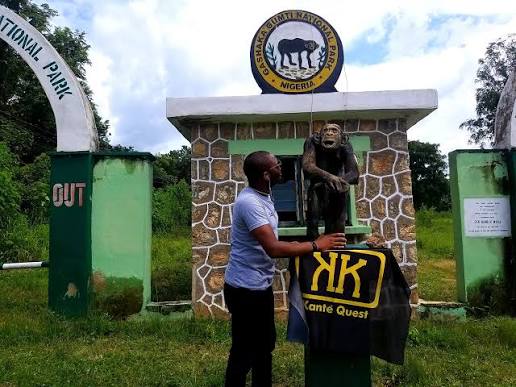
Gashaka Gumti National Park, a large wilderness in the northeast where a 2018 partnership with African Nature Investors (ANI) turned decline into renewal and provided a glimpse of what conservation-driven tourism could mean for the nation, is the place where this shift is most noticeable.
The importance of Nigeria’s natural areas
Nigeria’s national parks were created to protect some of the nation’s most distinctive wildlife and landscapes. They are much more than just places to go on picnics or safaris.
They serve as cultural landscapes connected to regional customs, carbon sinks that slow down global warming, and reservoirs of biodiversity.
These parks preserve ecosystems that are essential to the nation’s social, economic, and environmental well-being, from the savannas of Yankari to the rainforests of Cross River.
For endangered species like gorillas, chimpanzees, various primates, and antelopes, they offer safe havens.
The parks support vital ecosystem services, such as clean water and air, soil health, and climate regulation, by protecting these habitats. This makes them crucial for conservation efforts worldwide as well as for Nigeria.
Additionally, national parks are catalysts for economic expansion. Through ecotourism, they create jobs for tour guides, rangers, and hospitality staff, as well as opportunities for local small businesses, food vendors, and artisans.
In addition, they preserve Nigeria’s cultural legacy while providing Nigerians and foreign tourists with recreational and educational opportunities.
The geographical location of Nigeria’s parks is one of their unique characteristics, according to Ibrahim Musa Goni, conservator-general of the National Park Service (NPS).
Although we live in a tropical region, the vegetation that makes up each zone is different from that of other nations. “We have wooded vegetation,” he remarked.
Kenya, Tanzania, and South Africa have veiled vegetation with grasses and stalks instead of wooded vegetation. This explains why you see a lot of wildlife there, but it is not as diverse as what we have in Nigeria.
Although there is a greater variety of wildlife in Nigeria, there are fewer of them roaming the country. Additionally, we typically gain more from carbon credits and climate change mitigation.
Goni claims that this distinctiveness not only makes Nigerian parks more appealing to tourists but also increases the nation’s clout in climate finance markets—a natural advantage that other nations are still attempting to regain.