
Radiogad Applauds Burna Boy’s Quiet Acts of Kindness, Says Singer Gives Without Seeking Public Attention

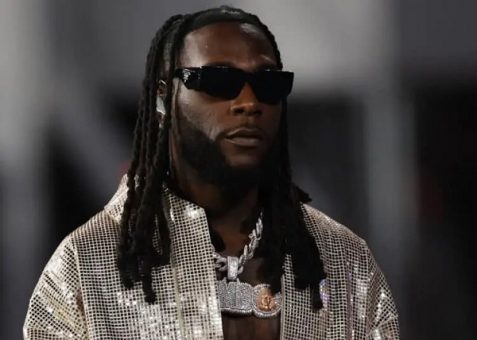
Media personality and social commentator Radiogad has publicly praised Grammy Award-winning Nigerian singer Burna Boy for what he described as the Afrobeats star’s quiet and consistent acts of generosity, saying the musician has helped many people without seeking publicity or recognition.
Radiogad made the remarks during a recent discussion on social media, where he commended Burna Boy’s approach to philanthropy, arguing that not every charitable act needs to be announced publicly to have a meaningful impact.
According to him, the award-winning artiste has quietly extended financial support and assistance to numerous individuals over the years, choosing to keep many of his humanitarian efforts away from the spotlight.
The media personality noted that while celebrities are often criticized for not doing enough to support society, many acts of kindness take place behind closed doors and are never shared online.
He suggested that Burna Boy belongs to a group of public figures who prefer to let their actions speak for themselves rather than publicize every donation or intervention.
Radiogad’s comments have since sparked conversations across social media, with many fans sharing stories and testimonies they claim demonstrate the singer’s generosity toward friends, colleagues, fans, and people in need.
Several supporters argued that genuine charity does not require cameras or media attention, maintaining that helping others quietly often reflects sincerity rather than a desire for public praise.
Others praised Burna Boy for focusing on meaningful impact instead of seeking validation through social media posts or public announcements.
However, some users expressed a different opinion, noting that publicizing charitable activities can sometimes inspire others to contribute to worthy causes and encourage a culture of giving.
They argued that transparency around philanthropy can also help raise awareness for important social issues and mobilize additional support for vulnerable communities.
Despite these differing views, many observers agreed that acts of generosity should ultimately be measured by the positive difference they make in people’s lives rather than the amount of publicity they receive.
Burna Boy, whose real name is Damini Ogulu, has over the years established himself as one of Africa’s most successful musicians, earning international recognition through numerous chart-topping songs, sold-out concerts, and prestigious awards.
Beyond his musical achievements, the singer has occasionally been linked to charitable initiatives, educational support, and assistance to individuals facing financial hardship, although many of these efforts have received little public attention.
Entertainment analysts believe the renewed discussion highlights a growing public interest in the social responsibility of celebrities, particularly those whose influence extends far beyond the entertainment industry.
They note that successful public figures are increasingly expected to contribute positively to society, whether through philanthropy, advocacy, mentorship, or community development.
At the same time, experts caution against judging celebrities solely based on what is visible online, pointing out that many choose to keep their humanitarian work private for personal or cultural reasons.
Radiogad’s remarks have therefore reignited a broader conversation about the nature of charity and whether genuine giving should be publicized or carried out quietly.
As the debate continues, many fans have applauded Burna Boy’s reported approach, describing it as an example of humility and compassion, while others maintain that every individual should be free to decide how they choose to carry out charitable work.
For now, Radiogad’s comments have once again placed Burna Boy’s reputation beyond music into the spotlight, with supporters celebrating not only his achievements as a global Afrobeats star but also the positive impact he is said to have made in the lives of others through acts of kindness that often go unnoticed by the public.
The discussion has also prompted renewed conversations about the role celebrities play in supporting communities beyond their careers and public appearances.
Many entertainment observers believe that public figures often face enormous expectations from fans, who look to them not only for entertainment but also for leadership, inspiration, and humanitarian support.
As a result, successful musicians, actors, athletes, and influencers are frequently scrutinized over whether they use their wealth and influence to make meaningful contributions to society.
Radiogad argued that it is important for the public to recognize that not every act of generosity is documented or shared on social media.
According to him, some individuals deliberately choose to help others privately because they believe charity should be motivated by compassion rather than the desire for public recognition or praise.
His comments resonated with many fans, who pointed out that several celebrities have previously revealed that they prefer to keep their charitable activities confidential out of respect for the dignity and privacy of those receiving assistance.
Supporters of Burna Boy also highlighted the singer’s long-standing message of resilience, empowerment, and self-belief, noting that his influence extends beyond music into inspiring young Africans to pursue their dreams despite challenges.
They argued that while awards, concerts, and commercial success often dominate headlines, quieter acts of kindness can leave an equally lasting impact on individuals and communities.
Meanwhile, critics of the “silent philanthropy” approach maintained that greater visibility around charitable initiatives can encourage accountability, inspire collective action, and motivate other influential personalities to support humanitarian causes.
Some social commentators suggested that a balance can be achieved, where charitable efforts are publicized in ways that promote awareness without compromising the dignity of beneficiaries.
The conversation has also reignited broader discussions about how society measures generosity.
Many users observed that philanthropy should not be viewed as a competition or judged solely by media coverage, but rather by the positive difference it makes in improving lives.
Entertainment analysts say the debate reflects changing public expectations of celebrities in the digital age, where every action—or perceived inaction—is often amplified across social media platforms.
With millions of followers and significant cultural influence, artists such as Burna Boy are increasingly seen as individuals capable of shaping conversations around education, healthcare, youth empowerment, and community development.
As reactions continue to pour in, neither Burna Boy nor his management has publicly responded to Radiogad’s comments.
However, many fans have welcomed the conversation as an opportunity to acknowledge the value of quiet generosity and the importance of helping others regardless of whether recognition follows.
For now, Radiogad’s remarks have sparked a wider reflection on the meaning of philanthropy, reminding many that acts of kindness are not always measured by headlines or viral posts but by the lasting impact they have on the lives of those who receive them.