
Kano Governor Signs Executive Orders to Combat Drug Abuse and Illicit Substance Trafficking

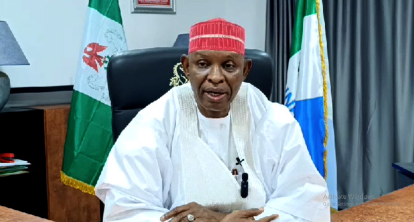
The Governor of Kano State, Abba Kabir Yusuf, has signed a series of executive orders aimed at strengthening the state’s fight against the abuse of illicit substances and the trafficking of illegal drugs.
The new directives form part of the state government’s broader strategy to address the growing challenge of drug abuse, particularly among young people, while intensifying efforts to dismantle criminal networks involved in the distribution and sale of prohibited substances.
Speaking during the signing ceremony at the Government House in Kano, Governor Yusuf described drug abuse as one of the greatest social and security challenges confronting the state, stressing that decisive action had become necessary to protect lives, families and communities.
According to the governor, the executive orders are designed to complement existing laws by empowering relevant government agencies to take stronger enforcement measures against individuals and groups engaged in the production, distribution and consumption of illicit substances.
He explained that the state government remains committed to creating a healthier and safer society by reducing the availability of illegal drugs and preventing young people from becoming victims of substance abuse.
Governor Yusuf noted that drug addiction has contributed significantly to rising cases of crime, violence, cult-related activities and other social problems, making it imperative for government institutions to work together in addressing the issue.
Under the new executive orders, security agencies, regulatory authorities and community stakeholders are expected to collaborate more closely in identifying illegal drug markets, shutting down distribution centres and prosecuting offenders in accordance with the law.
The directives also provide for increased monitoring of locations suspected to be used for the sale and consumption of prohibited substances across Kano State.
In addition to enforcement, the governor emphasised that rehabilitation and public awareness would remain central components of the government’s anti-drug campaign.
He announced plans to strengthen support for rehabilitation programmes, counselling services and educational campaigns designed to discourage drug abuse, particularly among students and unemployed youths.
According to him, preventing substance abuse requires not only law enforcement but also sustained investment in education, family support systems and community engagement.
Governor Yusuf called on traditional rulers, religious leaders, parents, teachers and civil society organisations to support the government’s efforts by educating young people about the dangers associated with illicit drugs.
He stressed that addressing the problem requires collective responsibility and cannot be achieved by government alone.
The governor also reaffirmed his administration’s commitment to working closely with the National Drug Law Enforcement Agency (NDLEA), the Nigeria Police Force, the National Agency for Food and Drug Administration and Control (NAFDAC) and other relevant institutions to strengthen intelligence gathering and enforcement operations throughout the state.
Officials present at the event welcomed the initiative, describing it as a timely intervention capable of reducing the spread of dangerous substances within Kano communities.
They noted that stronger collaboration among security agencies and public institutions would improve efforts to detect illegal drug activities before they escalate into broader security challenges.
Public health experts have consistently warned that increasing drug abuse among young people poses serious risks to mental health, family stability and national development.
They argue that comprehensive strategies combining enforcement, prevention, rehabilitation and economic empowerment offer the most effective approach to reducing substance abuse.
Residents and community leaders across Kano also expressed support for the governor’s decision, with many urging authorities to ensure the executive orders are fully implemented rather than remaining policy documents.
Several youth organisations praised the inclusion of rehabilitation and awareness programmes, noting that many individuals battling addiction require medical and psychological support in addition to legal enforcement.
The latest executive orders underscore the Kano State Government’s determination to confront one of the most pressing public health and security concerns affecting the state.
Observers believe that if effectively implemented, the measures could significantly reduce the circulation of illicit substances while providing greater protection for vulnerable members of society.
As implementation begins, government agencies are expected to roll out enforcement operations, public sensitisation campaigns and rehabilitation initiatives aimed at reducing drug abuse and promoting healthier communities across Kano State.