2027 Election: South-West ADC Leaders Accuse Atiku of Sidelining Party Structure as Campaign Tensions Grow

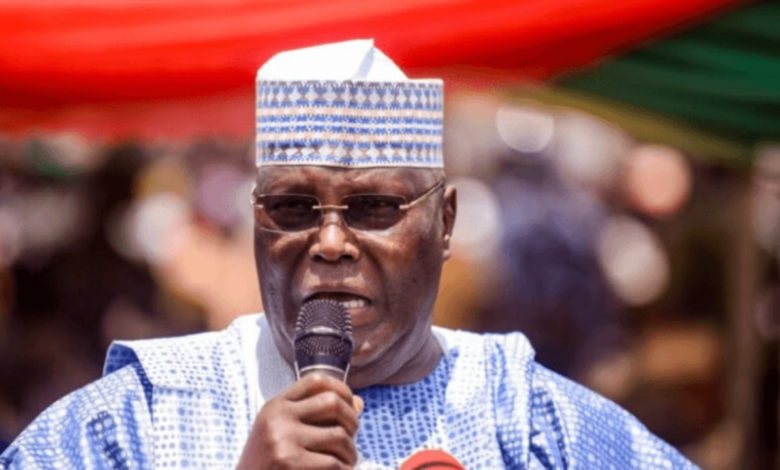
The African Democratic Congress (ADC) is reportedly facing growing internal disagreements in the South-West following allegations by some party leaders that former Vice President Atiku Abubakar has excluded the region’s party structure from his political activities ahead of the 2027 presidential election.
The disagreements involve several ADC leaders, including state chairmen, governorship candidates and other party stakeholders, who have expressed dissatisfaction with the manner in which Atiku’s political activities are being organised in the region.
The party members reportedly accused the presidential candidate of relying on personal associates and political allies while leaving established ADC structures out of important campaign arrangements.
The development has raised concerns among some party stakeholders about coordination, participation and the level of engagement between the presidential candidate and the people responsible for managing the party’s activities across the South-West.
According to reports, the grievances have contributed to dissatisfaction among members and affected preparations for campaign activities in a region considered important to the 2027 presidential election.
The South-West remains a politically significant area because of its population, electoral influence and the presence of several major political figures.
President Bola Tinubu, who is seeking another term in 2027, has a longstanding political base in the region, making it an important area for opposition parties seeking to expand their support.
Atiku, who contested the 2023 presidential election under the Peoples Democratic Party (PDP), is now facing questions from some ADC stakeholders about how his campaign intends to work with the party’s existing structures.
The disagreement reportedly became more pronounced after ADC governorship candidates and other party leaders held a meeting in Ibadan, the Oyo State capital, on September 4.
During the meeting, the participants reportedly raised concerns about what they described as the exclusion of the party’s regional structures from Atiku’s political activities.
The leaders said they wanted clarification from the national secretariat regarding the presidential candidate’s relationship with the party and whether his campaign would operate through established ADC structures.
They reportedly argued that the party’s elected and nominated representatives should be involved in political activities taking place under its name.
One of the governorship candidates who attended the meeting told Sunday PUNCH that the participants expressed dissatisfaction with the way Atiku’s political activities were being organised.
The candidate, who spoke anonymously because of the sensitivity of the matter, said the meeting involved discussions about the need for the presidential candidate to respect the party’s existing leadership arrangements.
According to the account, the participants insisted that the party’s structures should be recognised and involved in organising campaign activities across the region.
They reportedly argued that the individuals responsible for managing the party at state and local government levels should not be excluded from decisions affecting its political operations.
The candidate also said the party leaders wanted Atiku to communicate directly with them and establish a clear arrangement for coordinating campaign activities.
The disagreement reportedly centred on the use of personal political networks instead of the established party structures.
Some ADC stakeholders argued that campaign activities should be conducted through the party’s recognised leadership to ensure proper coordination and participation.
They also expressed concerns that excluding party officials could weaken their ability to mobilise supporters and organise political activities ahead of the election.
Following the meeting in Ibadan, Atiku reportedly held a virtual discussion with South-West ADC leaders on September 5.
During the meeting, the presidential candidate was said to have reaffirmed his commitment to the party and promised to address the concerns raised by the regional stakeholders.
According to party insiders, Atiku asked each state in the region to submit five names of members who would be considered for appointment to his campaign committee.
The arrangement was reportedly intended to provide greater participation for party members in the presidential campaign.
However, some of the leaders who participated in the discussions claimed that the promised changes had not significantly improved their involvement in the campaign.
The continued dissatisfaction has reportedly contributed to uncertainty among some party members about the extent to which the presidential candidate intends to work with the ADC’s existing structures.
Another issue raised by party insiders concerns funding for political activities in the region.
Some ADC officials reportedly expressed disappointment over what they described as inadequate financial support for party activities and meetings.
One party source claimed that chairmen from the six South-West states travelled to Abuja on September 17 for a meeting with Atiku but were unhappy with the arrangements surrounding their participation.
The source alleged that the officials were not provided with transport assistance after attending the meeting.
The claim was presented as part of the broader complaints about the relationship between the presidential candidate and the party’s regional leadership.
Some party members reportedly believe that insufficient financial support has affected the visibility of ADC activities in parts of the South-West.
They also argued that campaign preparations require cooperation between the presidential candidate, state leadership and grassroots organisations.
Without adequate coordination, party officials may find it difficult to organise meetings, communicate with supporters and sustain political activities across their respective areas.
An ADC House of Assembly candidate in Ekiti State also reportedly expressed concerns about the level of engagement between Atiku and party members.
The candidate said the party’s activities in the region appeared limited and attributed the situation to what he described as inadequate involvement of the presidential candidate.
The candidate further alleged that some individuals outside the recognised party leadership were taking prominent roles in Atiku’s political activities.
According to the account, the situation had discouraged some party members who expected the presidential campaign to work closely with the existing ADC structures.
The complaints have also extended to Lagos State, where some party officials reportedly expressed dissatisfaction with the people coordinating Atiku’s political activities.
Adewole Ijaogbomo, Chairman of the ADC Local Government Chairmen in Lagos State, said some individuals were leading campaign activities while established party leaders were being excluded.
He called on Atiku to address the situation and ensure that the recognised party leadership was involved in the organisation of political activities.
Ijaogbomo alleged that some individuals were positioning themselves to benefit from campaign funds rather than working through the party’s established structures.
He also expressed concerns about the participation of local government and grassroots officials in the presidential campaign.
According to him, many party leaders in Lagos were not involved in the activities being organised in support of Atiku.
The ADC official said the presidential candidate needed to resolve the disagreement and ensure that the party’s structures were properly recognised.
He maintained that the involvement of established party leaders was important for coordinating political activities and strengthening the party’s presence across the region.
The allegations have highlighted the challenges that political parties can face when presidential campaigns operate alongside existing party structures.
Campaign organisations often require coordination between national leadership, state officials, local government representatives and grassroots members.
Where disagreements emerge over responsibilities, funding or decision-making, the situation can affect communication and participation among party stakeholders.
The South-West is particularly important to the ADC because the party will need to build support across different communities and political groups if it intends to expand its electoral presence.
The region also presents a complicated political environment because of the influence of established parties and the longstanding support enjoyed by major political figures.
In the 2023 presidential election, Tinubu won Ogun, Oyo, Ekiti and Ondo states, while Atiku won Osun State. Peter Obi of the Labour Party won Lagos State.
Those results demonstrate the different political preferences across the region and the importance of building state-by-state campaign structures.
For the ADC, the involvement of its existing leadership could play a role in organising political activities and communicating the party’s message to voters.
The disagreements surrounding Atiku’s campaign therefore raise questions about how the party intends to manage its internal relationships while preparing for the next general election.
The party’s regional stakeholders are reportedly seeking a clearer understanding of their responsibilities and how they will participate in campaign activities.
They have also called for greater communication between the presidential candidate and the party’s leadership.
Atiku’s reported promise to involve state representatives in his campaign committee was one attempt to address the concerns raised during the September discussions.
However, some party insiders claim that the arrangement has not fully resolved the disagreement.
The situation remains an internal political matter, and the allegations made by the South-West stakeholders have not been independently verified.
Atiku’s position on the specific complaints was not fully established in the available reports.
The developments come as political parties and aspirants begin preparations for the 2027 general election, with campaign organisations expected to engage supporters and strengthen their structures across the country.
For the ADC, resolving disagreements between its presidential campaign and regional leadership could become an important part of its preparations.
The party’s ability to coordinate its activities will depend on communication, cooperation and the participation of its members at different levels.
As the election approaches, attention is expected to remain on whether the concerns raised by South-West ADC leaders will be addressed and how the party will organise its campaign activities in the region.