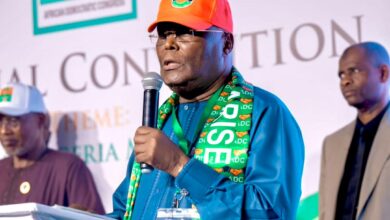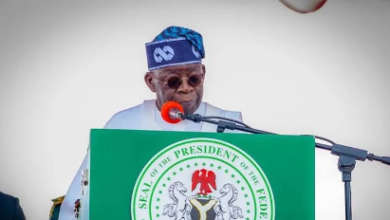

A nationwide delegation of N-Power beneficiaries has declared support for former Vice President Atiku Abubakar ahead of the 2027 presidential election.
The group visited Atiku in Abuja on Saturday, August 29, 2026, following a series of consultations and engagements with stakeholders. The development comes as political activities intensify ahead of the next general election.
The reported endorsement has added a new dimension to the growing political conversation around Nigeria’s youth population, employment opportunities and social intervention programmes.
The N-Power programme was introduced in 2016 under former President Muhammadu Buhari as part of efforts to tackle youth unemployment, provide skills development and offer temporary financial support to young Nigerians.
Beneficiaries were enrolled in different categories and received monthly stipends during their participation in the programme.
However, the scheme has faced several controversies over the years, including delays in payments and questions surrounding its administration.
The Federal Government suspended the programme in October 2023, announcing plans to conduct an audit of the scheme. At the time, concerns were raised over beneficiaries whose participation had reportedly expired but who remained on payment records.
The reported support for Atiku comes against the background of longstanding grievances among some former beneficiaries over unpaid stipends.
Some beneficiaries have previously complained about outstanding payments dating back to earlier batches of the programme, with the alleged backlog becoming a subject of discussions between representatives of beneficiaries and government officials.
The issue has continued to generate frustration among affected participants, particularly those who say they completed their service under the programme without receiving all the payments they were entitled to.
The delegation’s decision to support Atiku is therefore being viewed in the context of these broader concerns about youth employment, social intervention and economic opportunity.
Atiku, who is now the African Democratic Congress (ADC) presidential candidate, has made youth empowerment and economic opportunities a major part of his campaign message ahead of 2027.
During his meeting with the N-Power delegation, he promised that an administration under his leadership would focus on creating jobs, supporting businesses and expanding access to capital.
He also announced a proposed $100 billion financing programme for start-ups and entrepreneurs, saying the initiative would be designed to move young Nigerians from dependence to enterprise and from unemployment to productivity.
The former vice president has argued that young Nigerians need an economic environment that allows them to build sustainable livelihoods rather than depend on temporary government assistance.
He has also criticised the current economic situation, particularly the rising cost of living and the reduction in purchasing power experienced by many households.
According to Atiku, young Nigerians should be given opportunities to establish businesses, secure employment and become economically independent.
The endorsement by the N-Power delegation could give additional visibility to these issues as the 2027 campaign period approaches.
However, a claim circulating online that 1.4 million N-Power beneficiaries endorsed Atiku has not been independently verified. The available reports refer to a nationwide delegation of beneficiaries, but the exact number of people represented by the delegation remains unclear.
This distinction is important because political endorsements can sometimes involve support from a delegation or association without necessarily representing every individual who has participated in a government programme.
The N-Power scheme itself has enrolled large numbers of young Nigerians since its establishment, making former beneficiaries a potentially significant political constituency.
Their experiences with employment, stipends, skills training and government intervention could influence their political preferences ahead of the 2027 election.
The reported endorsement also comes as opposition parties and political groups intensify efforts to attract young voters.
Youth unemployment and economic hardship are expected to remain among the most important issues in the next presidential election.
Nigeria has a large young population, and political candidates are increasingly focusing their messages on employment, entrepreneurship, education, technology and access to financing.
Atiku has positioned his proposed financing programme as part of a wider economic strategy aimed at expanding opportunities for young Nigerians.
He has also argued that the country needs policies that encourage private-sector growth and enterprise rather than relying primarily on palliatives.
The former vice president has described the 2027 election as a choice between continuing with an economic model that he believes is reducing opportunities and adopting policies aimed at restoring purchasing power, creating jobs and supporting businesses.
The N-Power development is likely to add further political attention to the programme’s former participants.
For many beneficiaries, the scheme represented an important source of income and work experience at a time when unemployment remained a major challenge.
The suspension of the programme left questions about what would replace it and how previous beneficiaries would be supported.
The reported endorsement of Atiku suggests that some beneficiaries are now taking their grievances and expectations into the political arena.
It also shows how social intervention programmes can have long-term political consequences.
When government programmes provide employment or financial assistance to large numbers of people, the experiences of those beneficiaries can influence how they assess subsequent administrations.
As 2027 approaches, political parties are likely to intensify their efforts to win the support of organised groups, professional associations, young voters and former beneficiaries of government programmes.
For Atiku and the ADC, the reported endorsement provides an opportunity to strengthen their message around youth empowerment and economic reform.
For the N-Power beneficiaries involved, the decision represents a political choice based on their stated expectations for better economic opportunities and attention to their concerns.
The development is another indication that youth unemployment, unpaid government obligations and the cost of living are becoming increasingly important in the political debate ahead of 2027.
With more political alignments expected in the months ahead, the support announced by the N-Power delegation could become part of the wider contest for the backing of Nigeria’s young electorate.