
Navy Discovers Hidden Reservoirs Holding 25,000 Litres of Suspected Stolen Crude Oil

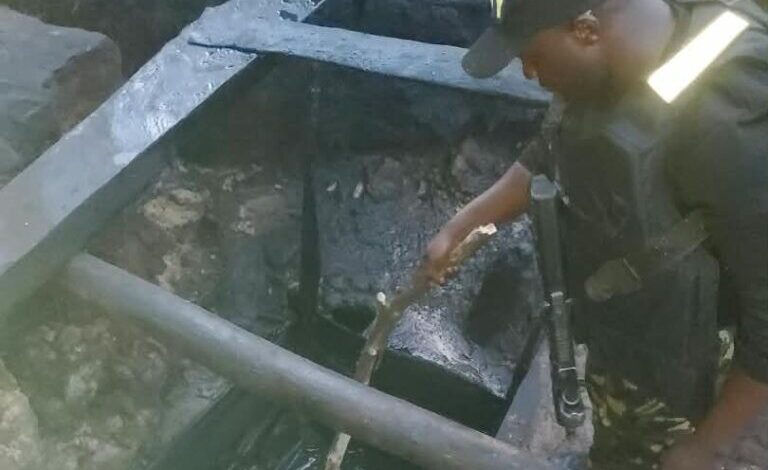
The Nigerian Navy has reportedly uncovered another set of reservoirs containing about 25,000 litres of suspected stolen crude oil in an operation aimed at disrupting illegal oil activities.
The discovery represents another development in the ongoing efforts by security agencies to tackle crude oil theft, illegal storage and the diversion of petroleum resources from authorised channels.
The reservoirs were reportedly found during a security operation, with the suspected stolen crude oil believed to have been stored for an illegal purpose. However, further details about the precise location of the discovery, the identities of those responsible and the circumstances surrounding the operation have not been independently confirmed.
The latest discovery has again drawn attention to the scale of the challenges confronting Nigeria’s oil sector, particularly the activities of individuals and groups suspected of diverting crude oil, operating unauthorised storage facilities and engaging in other forms of petroleum-related crime.
Crude oil theft remains a major concern for the country because of its potential impact on government revenue, oil production, infrastructure and the environment. When crude oil is diverted from legitimate production and transportation systems, the losses can affect public finances and undermine the ability of operators to maintain efficient production.
The reported discovery of 25,000 litres of crude oil in hidden reservoirs also highlights the importance of monitoring locations where petroleum products may be stored without proper authorisation. Such facilities can pose security and environmental risks, particularly where the storage infrastructure does not meet safety requirements.
The Nigerian Navy has a role in maritime security and the protection of the country’s waterways and offshore resources. Its operations against suspected oil theft are part of broader efforts involving other security agencies and relevant authorities responsible for safeguarding petroleum infrastructure and investigating criminal activity in the sector.
However, the discovery of suspected stolen crude oil is only one stage in the process of addressing oil-related crime. Investigators must establish where the crude originated, how it was transported to the storage location and who may have been involved in its diversion or possession.
The investigation may also seek to determine whether the reservoirs were connected to a wider network of illegal petroleum activities. Any suspected links to other storage sites, transportation routes or individuals would need to be established through evidence.
The volume of crude oil reportedly recovered is significant enough to raise questions about the arrangements used to store and move the product. Yet the precise scale of the operation, the duration of the suspected activity and whether the reservoirs were actively being used at the time of discovery remain unclear.
Authorities are expected to take appropriate steps to secure the suspected crude oil and preserve relevant evidence. Depending on the findings of the investigation, those suspected of involvement could face legal proceedings under applicable laws.
The latest operation also underscores the need for sustained cooperation among security agencies, oil-producing communities and industry operators. Information from local communities and effective monitoring of oil infrastructure can help authorities identify suspicious activities and respond before they develop into larger operations.
Beyond the financial implications, illegal oil activities can expose communities to serious environmental hazards. Improper handling and storage of crude oil may lead to spills, contamination of land and waterways, and damage to ecosystems that support fishing, farming and other livelihoods.
Such risks make it important for any recovered crude oil to be handled safely and for the authorities to investigate whether the suspected storage facility caused environmental damage.
Nigeria’s efforts to reduce crude oil theft have continued to attract attention because of the relationship between oil production, national revenue and the country’s broader economic needs. Recovering diverted petroleum resources and preventing further losses remain important objectives, but lasting progress also depends on identifying those responsible and strengthening safeguards around oil infrastructure.
The discovery of another set of reservoirs containing approximately 25,000 litres of suspected stolen crude oil is therefore a reminder that the fight against petroleum-related crime requires continuous surveillance, credible investigations and accountability.
Further details about the operation, including the location of the reservoirs, any arrests made and the outcome of the investigation, are expected to emerge as the relevant authorities provide more information.