
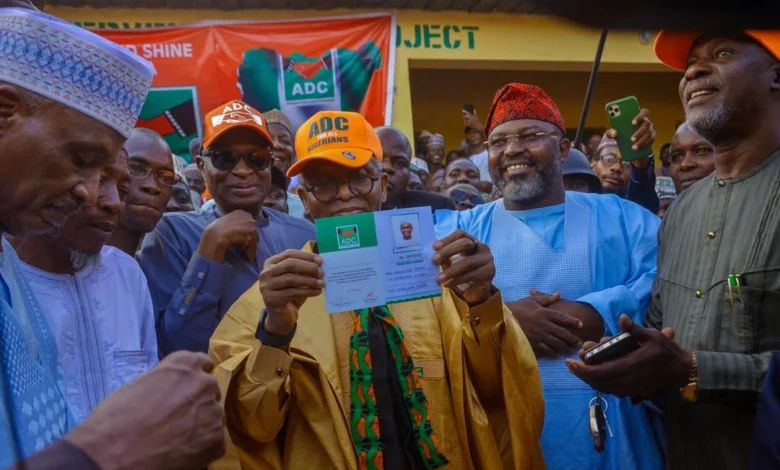
Former Kaduna State Governor Nasir El-Rufai has spoken about what he described as the silence and distance of some of his former associates and political allies during his prolonged legal and detention troubles.
El-Rufai said he had spent years supporting people and causes he believed in, sometimes at considerable personal cost, but the difficult circumstances surrounding his current situation had revealed a different side of some of his relationships.
In a reflective statement released while he remains in custody, the former governor said he had never supported people because he expected praise, gratitude or repayment.
He explained that many of the decisions he made in the past were driven by his convictions and his belief in what he considered right at the time.
However, he acknowledged that his experience in detention had caused him to reassess some relationships and consider how certain people responded when circumstances became difficult.
El-Rufai said adversity had a way of revealing the strength and nature of relationships.
He suggested that the silence of people who were once close to him had given him a different perspective on some of those associations, although he stressed that he was not seeking revenge against anyone.
The former governor said he would leave ultimate judgment over any perceived injustice, ingratitude or injury to God rather than pursuing retaliation.
His comments come amid a prolonged legal battle involving allegations of financial misconduct and a separate case relating to alleged unlawful interception of telephone communications.
El-Rufai has remained in detention since February 18, 2026, although he was temporarily released in March to attend the burial of his mother.
The Independent Corrupt Practices and Other Related Offences Commission has maintained that his continued detention is based on court remand orders.
The former governor has challenged the circumstances surrounding his continued detention and has repeatedly raised concerns about due process.
His latest statement, however, focused less on the details of the cases and more on the personal consequences of his prolonged absence from political life and the reaction of people who were previously associated with him.
El-Rufai said he had stood by individuals and causes during difficult periods because he believed it was the right thing to do.
He emphasised that he did not consider those actions transactions in which support had to be returned whenever he found himself in trouble.
Nevertheless, his present circumstances appear to have prompted him to reconsider the nature of some of his relationships.
The former governor indicated that he may quietly review some of those relationships in light of what he has experienced over the past several months.
He did not frame this as a threat or a promise of retaliation, instead describing it as part of gaining a clearer understanding of people and life during adversity.
The comments have attracted attention because of El-Rufai’s long-standing influence within Nigerian politics and his extensive network of political relationships.
During his time as governor of Kaduna State, he built relationships with politicians, government officials, activists and political figures across different parts of the country.
He was also an important figure within the All Progressives Congress before becoming increasingly critical of the administration of President Bola Ahmed Tinubu.
El-Rufai supported Tinubu during the 2023 presidential campaign and was considered part of the political network surrounding the president at the time.
However, their relationship deteriorated after Tinubu’s administration nominated El-Rufai for a ministerial position and the Senate subsequently declined to confirm him, citing security-related concerns.
El-Rufai later became increasingly critical of the federal government and eventually joined the African Democratic Congress, where he emerged as one of the prominent figures associated with the opposition coalition.
His political realignment also affected some of his former allies.
Several individuals who had previously worked closely with him later returned to the APC, while others continued their political activities without publicly aligning themselves with his campaign against the ruling party.
The development has generated questions about political loyalty and the extent to which personal relationships survive when political interests change.
Earlier in 2026, members of El-Rufai’s family and political supporters protested outside the headquarters of the Department of State Services over concerns about his detention and access to healthcare.
The family and supporters had raised questions about his movement between security agencies and alleged that certain court directives concerning his custody were not being respected.
The authorities disputed some of those claims and maintained that his detention was governed by legal and security procedures.
An earlier attempt by senior ADC officials to visit El-Rufai in custody also resulted in a dispute.
The opposition party said its delegation had been prevented from meeting him despite notifying the authorities about the visit.
The ICPC subsequently said access to detainees was subject to security and operational procedures and that the visiting delegation had not complied with the required protocols.
The disagreement further highlighted the restrictions surrounding El-Rufai’s access to political associates while in custody.
Against this background, his latest statement about abandoned relationships has taken on a wider political significance.
It reflects not only his personal frustration but also the changing political alliances that have developed since he left office in Kaduna.
El-Rufai’s supporters have continued to describe him as a victim of political persecution, while authorities have maintained that the cases against him are legal matters arising from investigations and court proceedings.
The allegations of political persecution remain contested, and the legal proceedings have yet to establish criminal guilt against him.
The former governor’s statement also avoids directly accusing specific individuals of wrongdoing.
Instead, he reflected on the behaviour of people around him and suggested that he would allow his experiences to inform his future relationships.
He made clear that he did not intend to seek revenge against those who had distanced themselves from him.
For El-Rufai, the experience appears to have reinforced the idea that political relationships can change rapidly when circumstances change.
People who once shared political platforms can eventually find themselves on opposite sides, while former allies may choose to prioritise their current political interests.
His comments also underline the personal dimension of prolonged detention for a public figure who previously occupied one of Nigeria’s most influential state offices.
Beyond the legal questions surrounding his cases, detention has limited his ability to participate directly in political activities and maintain ordinary contact with associates.
That separation has become particularly significant as political activity intensifies ahead of the 2027 general elections.
El-Rufai remains an influential figure within the ADC and the wider opposition coalition, making his continued detention a subject of political discussion.
His supporters have repeatedly called for due process, while the authorities have insisted that the legal system should determine the outcome of the cases against him.
The latest statement suggests that, regardless of how the legal proceedings eventually develop, the experience has changed the way El-Rufai views some of his personal and political relationships.
He appears to be drawing a distinction between helping people because of personal conviction and expecting those people to return the favour when circumstances become difficult.
At the same time, his decision to speak publicly about the issue indicates that the experience has weighed heavily on his perception of loyalty and friendship.
El-Rufai concluded his reflection without calling for punishment against anyone he believes abandoned him.
Instead, he said he would leave questions of ultimate accountability to God.
His position leaves open the possibility that some relationships may not return to their former state, even if his legal circumstances eventually change.
For now, the former governor remains involved in legal proceedings while continuing to communicate publicly through statements and social media messages.
His latest comments have shifted attention from the courtroom to the personal cost of political conflict, highlighting how changes in alliances can affect relationships beyond formal political structures.
As Nigeria moves closer to the 2027 elections, El-Rufai’s political future and his relationship with former allies are likely to remain subjects of public interest.
The former governor’s latest message makes one point clear: while he says he does not intend to pursue revenge against those who stayed away during his difficulties, he is reassessing some of the relationships that once played important roles in his political life.