
Deadly Attack in Taraba Leaves 26 Dead After Gunmen Storm Village Following Friday Prayers

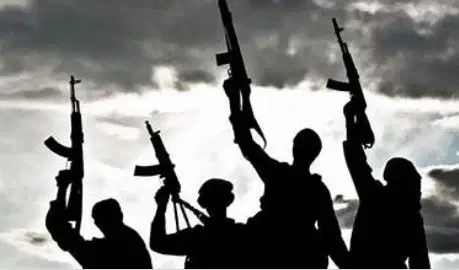
At least 26 people have reportedly been killed after suspected bandits attacked a village in Taraba State shortly after residents gathered for Juma’at prayers, leaving the community mourning and raising fresh concerns about the persistent threat of armed violence in parts of northern Nigeria.
The deadly incident reportedly occurred after Muslim worshippers had completed their Friday prayers, a time when residents would ordinarily be returning to their homes and resuming their daily activities. The attack has heightened fears over the safety of rural communities and the ability of residents to go about their religious and social activities without fear of violence.
According to reports, the assailants stormed the community and launched an attack that resulted in multiple deaths. The reported casualty figure of 26 has underscored the severity of the incident, although further details about the victims, the exact location and the circumstances surrounding the killings remain to be confirmed.
The identities of the attackers and their motive have also not been independently established. It remains unclear whether the attack was connected to a previous dispute, retaliation, criminal activity or another security-related issue.
The reported timing of the incident has added to the distress surrounding the tragedy, as residents had gathered for an important weekly religious observance before the violence occurred. Friday prayers are a significant part of communal life for Muslims, bringing worshippers together at mosques and providing an opportunity for prayer, reflection and interaction.
An attack occurring shortly after such a gathering can leave residents particularly vulnerable, especially in rural areas where security personnel may not be immediately available to respond to an emergency.
The reported killings have renewed concerns about the security challenges confronting communities in Taraba and other parts of the country where armed groups have been accused of carrying out raids, killings, kidnappings and attacks on settlements.
For families affected by the incident, the immediate concern will be the loss of loved ones and the difficult process of identifying victims, arranging burials and supporting relatives left behind. Such attacks can have consequences that extend well beyond the immediate loss of life, affecting the emotional wellbeing and economic stability of entire communities.
In rural settlements, the death of a family member can also leave dependants without their primary source of income or care. Children may lose parents, while elderly relatives and other vulnerable family members may be left without the support they previously relied upon.
Residents who survive attacks may also experience fear and uncertainty about returning to their normal routines. Some may become reluctant to attend public gatherings, visit markets or travel between communities, particularly if they believe another attack could occur.
The incident has once again highlighted the importance of effective security arrangements in vulnerable communities. Early warning systems, timely intelligence gathering, coordinated security patrols and rapid responses to credible threats can play important roles in preventing attacks and protecting residents.
However, lasting improvements require authorities to establish the circumstances behind each incident and identify those responsible. Investigations are necessary to determine how the attackers reached the community, whether warnings were received before the violence and what measures could help prevent similar incidents in the future.
Security agencies would also need to establish whether the attack was carried out by a known armed group or by individuals whose identities and affiliations remain unknown. Until reliable evidence becomes available, the motive and responsibility for the killings should not be treated as conclusively established.
The reported attack also draws attention to the wider humanitarian consequences of insecurity in rural Nigeria. When communities face repeated threats, residents may be forced to abandon their homes, farms and businesses in search of safety. Such displacement can interrupt farming activities, disrupt local trade and deepen financial hardship for families already struggling to meet their basic needs.
Agriculture and small-scale trading are important sources of livelihood for many rural households. Insecurity can prevent farmers from accessing their land, reduce the movement of goods and discourage commercial activity. The resulting economic pressure can affect food availability and household incomes, particularly where communities depend heavily on local production.
Beyond immediate security operations, affected residents may require medical assistance, psychological support and other forms of humanitarian relief. Families who have lost breadwinners may also need help meeting expenses associated with burials, food, shelter and the care of children.
The government and relevant agencies have a responsibility to ensure that communities affected by such violence receive appropriate assistance while security personnel work to prevent further attacks.
The reported death toll of 26 has also renewed attention to the need for accurate and timely information during security incidents. Verified updates from authorities and credible local sources are important in helping the public understand the scale of an attack, identify the needs of affected residents and avoid the circulation of misleading claims.
At the time of this report, further details concerning the specific village, the identities of those killed, the number of injured persons and any arrests had not been independently confirmed.
Authorities are expected to investigate the incident and establish the facts surrounding the attack. Any individuals found responsible should be held accountable through the appropriate legal process.
For residents of the affected community, the immediate priority remains mourning those who lost their lives, supporting injured victims if any and restoring a sense of safety after the reported violence.
The tragedy serves as another reminder of the devastating consequences of armed attacks on civilian communities and the urgent need for effective measures to protect lives, strengthen local security and prevent further bloodshed.