Dermatologists Urge Nigerians to Reject Skin Bleaching, Embrace Healthy Skin Practices

Medical experts specializing in skin health have renewed calls for Nigerians to avoid skin bleaching and instead adopt healthier skincare practices, warning that the widespread use of bleaching products continues to pose serious health risks with potentially long-term consequences.
The dermatologists made the appeal while raising concerns over the growing popularity of skin-lightening products, particularly among young people, despite increasing awareness of the harmful effects associated with many bleaching creams, soaps, injections, and other cosmetic substances sold in the market.
According to the experts, the desire to achieve a lighter skin tone has contributed to the increasing demand for products that often contain dangerous ingredients capable of causing irreversible damage to the skin and other vital organs of the body.
They explained that while some cosmetic products are medically approved for treating specific skin conditions under professional supervision, many bleaching products available through informal markets are unregulated and may contain harmful substances such as mercury, hydroquinone, and potent corticosteroids in unsafe concentrations.
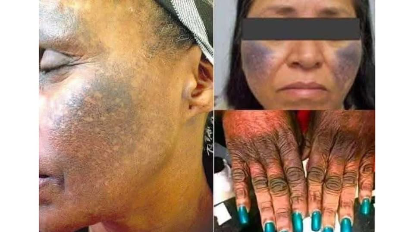
The specialists warned that prolonged use of such products can weaken the skin’s natural protective barrier, making users more vulnerable to infections, excessive sensitivity to sunlight, delayed wound healing, and permanent skin damage.
They further noted that many individuals who regularly use bleaching products eventually experience complications including severe acne, uneven skin pigmentation, thinning of the skin, stretch marks, chronic irritation, and persistent discoloration that may become difficult or impossible to reverse.
Beyond the visible effects on the skin, dermatologists cautioned that some harmful chemicals absorbed through the skin can affect internal organs over time.
According to them, prolonged exposure to toxic substances found in certain bleaching products may increase the risk of kidney damage, liver complications, and other serious health conditions that require extensive medical treatment.
The experts stressed that healthy skin should not be measured by complexion but rather by its overall condition, strength, and ability to perform its natural protective functions.
They encouraged Nigerians to appreciate their natural skin tones and focus on maintaining healthy skin through proper hygiene, balanced nutrition, regular hydration, adequate sleep, and the consistent use of safe skincare products suitable for their skin type.
Dermatologists also emphasized the importance of protecting the skin from excessive sun exposure by using appropriate sunscreen and avoiding prolonged exposure during periods of intense ultraviolet radiation.
According to them, these preventive measures help reduce premature ageing, sunburn, and the risk of certain skin diseases while preserving the skin’s natural appearance.
The specialists expressed concern that misleading advertisements on social media and other platforms continue to promote unrealistic beauty standards by encouraging lighter skin as a symbol of attractiveness, success, or social status.
They argued that such messages have contributed significantly to the growing demand for skin-lightening products despite repeated public health warnings.
Medical professionals therefore called for greater public education aimed at promoting positive body image and encouraging individuals to embrace their natural complexion with confidence.
They also urged regulatory agencies to intensify surveillance against the production, importation, and sale of counterfeit or harmful cosmetic products capable of endangering public health.
Consumer protection advocates supported the appeal, noting that stronger enforcement of existing regulations would help reduce the circulation of unsafe skincare products within Nigerian markets.
They recommended that consumers purchase cosmetics only from reputable manufacturers and authorized distributors while carefully reading product labels before use.
Health experts further advised Nigerians experiencing skin concerns such as persistent acne, eczema, unusual pigmentation, or allergic reactions to seek professional medical attention rather than resorting to self-medication or unverified cosmetic treatments.
According to them, early consultation with qualified dermatologists often leads to more effective diagnosis and safer treatment options tailored to individual skin conditions.
Public health specialists also highlighted the growing psychological pressures associated with beauty standards, noting that societal expectations sometimes influence individuals to adopt unsafe cosmetic practices in pursuit of perceived perfection.
They encouraged parents, educators, media organizations, and community leaders to promote messages celebrating diversity and natural beauty while discouraging practices capable of harming physical and mental well-being.
Observers believe that sustained awareness campaigns involving healthcare professionals, government agencies, educational institutions, and the media could play a significant role in reducing the prevalence of harmful bleaching practices across the country.
Many experts argue that changing public attitudes toward skin colour will require continuous education emphasizing that confidence, beauty, and good health are not determined by complexion but by overall well-being and self-acceptance.
As discussions around skin health continue, dermatologists remain optimistic that increased public awareness, stronger regulation of cosmetic products, and greater appreciation of natural beauty will encourage more Nigerians to prioritize healthy skincare practices over potentially dangerous bleaching procedures.
They concluded that preserving the skin’s natural health should remain the primary objective of every skincare routine, emphasizing that healthy skin is ultimately more valuable than artificially altered complexion.