Labour Party Vice Chairman Demands ₦50 Billion Damages and Public Apology from Peter Obi

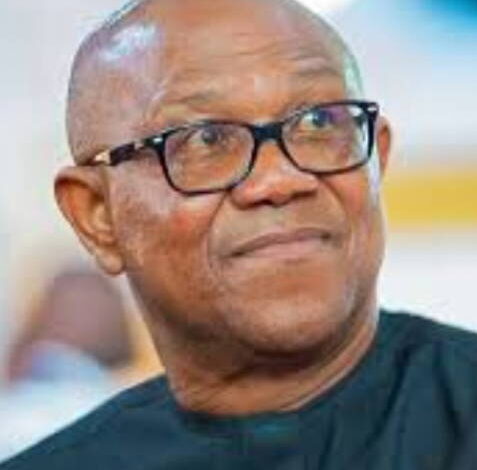
A fresh controversy has emerged within the Labour Party following a legal demand by one of the party’s national officers, who is seeking ₦50 billion in damages and a public apology from the party’s former presidential candidate, Peter Obi.
The development has intensified the internal crisis that has continued to affect the Labour Party since the conclusion of the 2023 general elections, with disagreements among party leaders increasingly spilling into the public domain.
The Labour Party’s Vice Chairman, who made the demand through his legal representatives, alleged that certain statements and actions attributed to Peter Obi had caused significant damage to his reputation, public standing, and political integrity.
According to the legal notice, the vice chairman is demanding an unconditional public apology to be published in national newspapers and other media platforms, alongside the payment of ₦50 billion as compensation for the alleged harm suffered.
The notice reportedly warned that failure to meet the demands within the stipulated period could result in legal proceedings being instituted against the former Anambra State governor.
Although details of the specific statements that triggered the dispute have continued to attract public attention, the latest development represents another chapter in the prolonged leadership crisis that has divided the Labour Party in recent months.
The party has witnessed several disagreements involving different factions, with competing claims over leadership positions, party structures, and the direction of the organisation ahead of the 2027 general elections.
Political observers say the internal disputes have increasingly overshadowed the party’s activities and raised questions about its preparedness for future electoral contests.
Peter Obi, who emerged as one of Nigeria’s most influential opposition figures following the 2023 presidential election, has remained at the centre of many of the party’s internal discussions as various stakeholders continue to debate the future leadership and structure of the Labour Party.
His supporters maintain that he remains one of the party’s strongest political assets and has continued to enjoy significant public support across different parts of the country.
Meanwhile, party officials aligned with different factions have repeatedly called for dialogue and reconciliation, arguing that resolving internal disagreements is essential if the Labour Party intends to remain a formidable force in Nigeria’s political landscape.
Legal experts note that public officials and political office holders have the constitutional right to seek judicial redress whenever they believe their reputation has been damaged through alleged defamatory statements.
They explained that in civil matters involving defamation or reputational injury, courts are responsible for determining whether the claims have legal merit and whether compensation or other remedies are justified.
Political analysts believe the latest legal demand may further complicate ongoing reconciliation efforts within the party, particularly at a time when opposition parties are gradually positioning themselves ahead of the 2027 elections.
According to analysts, prolonged internal disputes could weaken public confidence and divert attention away from policy discussions and political mobilisation.
Some observers have therefore urged party leaders to explore internal conflict resolution mechanisms before resorting to lengthy legal battles that could deepen existing divisions.
Supporters of Peter Obi have also reacted to the development, with many expressing confidence that the matter will be resolved through the appropriate legal and political channels.
Others have appealed for calm, urging all parties involved to avoid actions or public statements capable of escalating tensions further.
The Labour Party has yet to issue a comprehensive official statement addressing the latest demand, although several party stakeholders have continued to emphasize the importance of unity as preparations for future elections gradually intensify.
Observers note that maintaining internal cohesion will be crucial if the party hopes to consolidate the momentum it gained during previous electoral cycles and strengthen its position as one of Nigeria’s leading opposition platforms.
As attention shifts toward the possibility of legal proceedings, many Nigerians will be watching closely to see how both parties respond in the coming days.
Whether the matter is resolved through dialogue, mediation, or litigation, the outcome is expected to have implications not only for those directly involved but also for the broader political dynamics within the Labour Party.
For now, the dispute has once again highlighted the challenges confronting political parties in managing internal disagreements while balancing leadership ambitions, institutional stability, and preparations for future elections.
The latest dispute has generated widespread reactions across Nigeria’s political landscape, with party members, legal practitioners, and political analysts offering differing opinions on the implications of the vice chairman’s demands.
Some observers believe the matter should be resolved through dialogue and internal party mechanisms rather than prolonged court proceedings, arguing that internal unity remains essential for any political party seeking to remain competitive ahead of national elections.
Others, however, maintain that every individual has the constitutional right to seek legal redress if they believe their reputation has been unfairly damaged, regardless of political affiliation or position within a party.
According to legal experts, claims involving alleged defamation or reputational injury are matters that can only be conclusively determined through the judicial process if the parties fail to reach an amicable settlement.
They explained that a court would ordinarily examine the facts presented, the nature of the disputed statements, the evidence provided by both sides, and whether the claimant has established a legal basis for compensation or any other remedy being sought.
Political commentators have also noted that public disagreements among senior party officials often attract significant attention because they can influence public perception of a political party’s internal stability.
They argue that while disagreements are common within democratic institutions, the manner in which such disputes are managed can affect party cohesion, public confidence, and electoral preparedness.
The Labour Party has continued to experience internal disagreements over leadership, organisational structure, and strategic direction since the conclusion of the 2023 general elections.
Various stakeholders have repeatedly called for reconciliation efforts aimed at uniting different factions and strengthening the party ahead of future political contests.
Supporters of Peter Obi have expressed hope that the matter will be resolved peacefully, emphasizing the need for party leaders to focus on strengthening the opposition and presenting constructive alternatives on national issues.
Similarly, some Labour Party members have urged all parties involved to exercise restraint in their public comments while allowing legal and internal processes to take their course.
Analysts believe that with preparations for the 2027 general elections gradually gathering pace, opposition parties will increasingly face pressure to resolve internal disputes in order to maintain organisational stability and public confidence.
They note that political parties seeking electoral success must not only present attractive policy alternatives but also demonstrate unity, effective leadership, and institutional discipline.
Observers also argue that prolonged internal conflicts can distract party leadership from engaging with voters on critical national issues such as economic development, insecurity, education, healthcare, infrastructure, and governance.
Many therefore believe that early resolution of disputes remains in the best interest of both the individuals involved and the party as a whole.
Meanwhile, Nigerians continue to monitor developments closely as expectations grow regarding how the matter will eventually be resolved.
Whether through negotiation, mediation, or judicial determination, the outcome is expected to shape future discussions about leadership accountability, internal party democracy, and conflict resolution within one of Nigeria’s prominent opposition political parties.
For now, the demand for a public apology and ₦50 billion in damages represents another significant chapter in the Labour Party’s ongoing internal challenges, reinforcing the importance of dialogue, mutual respect, and strong institutional frameworks in managing political disagreements while preserving democratic values.