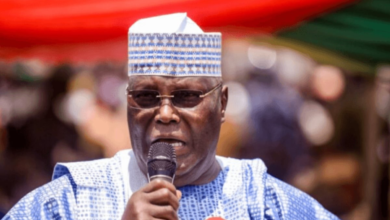
EndSARS Anniversary: Atiku Demands Justice for Lekki Shooting, Criticises Tinubu Over Economic Hardship

Former Vice President Atiku Abubakar has renewed calls for accountability over the October 2020 Lekki shooting, while criticising President Bola Tinubu’s administration over the economic difficulties confronting Nigerians.
Atiku’s remarks, made in connection with the anniversary of the EndSARS protests, have brought renewed attention to the demands for justice, transparency and reforms that emerged from the demonstrations against police brutality.
The former vice president reportedly called for those responsible for the violence at the Lekki Toll Gate to be held accountable, stressing the importance of ensuring that the events surrounding the incident are fully addressed.
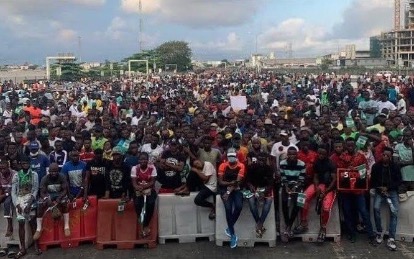
The Lekki shooting remains one of the most controversial episodes in Nigeria’s recent history. It occurred on October 20, 2020, during protests against police brutality and the activities of the now-disbanded Special Anti-Robbery Squad, popularly known as SARS.
Young Nigerians had taken to the streets across several cities to demand an end to police abuses, unlawful arrests, extortion and other alleged misconduct by security personnel. The demonstrations attracted widespread attention, with protesters calling for reforms that would protect citizens and improve accountability within law enforcement agencies.
The protest at the Lekki Toll Gate in Lagos became a defining moment in the movement after security personnel opened fire during the gathering. The incident resulted in deaths and injuries, although the precise circumstances, casualty figures and responsibility for individual deaths have remained subjects of public dispute and official investigations.
Atiku’s renewed demand for accountability has therefore placed the Lekki incident back at the centre of conversations about the government’s responsibility to protect citizens and address allegations of abuses by security agencies.
For families of those who lost loved ones, survivors and other Nigerians who participated in the demonstrations, the anniversary remains a reminder of the need for answers and justice.
The EndSARS movement was driven largely by young Nigerians who demanded an end to police brutality and called for a more accountable system of policing. The demonstrations also exposed broader concerns about unemployment, economic inequality, governance and the relationship between citizens and public institutions.
Although the protests led to the dissolution of SARS, many of the concerns raised by demonstrators have continued to feature in national discussions about security sector reform and the protection of human rights.
Atiku’s reported comments also turned attention to the current economic situation, with the former vice president criticising Tinubu over the hardship experienced by households and businesses.
Nigeria’s economic challenges have remained a major issue in public debate, particularly as citizens struggle with the rising cost of food, transportation, housing and other essential services.
Many households have had to adjust their spending as the prices of basic commodities continue to put pressure on their incomes. Workers, traders, small business owners and families with limited earnings have also expressed concerns about their ability to meet daily expenses.
The pressure has extended to businesses, which face higher operating costs and difficulties maintaining affordable prices for customers. For many small enterprises, the challenge of balancing expenses and revenue has become increasingly difficult.
The Tinubu administration has defended its economic reform programme, arguing that the measures are intended to address longstanding structural problems and improve the country’s economic outlook.
However, critics, including opposition politicians, have questioned the pace and impact of the reforms, arguing that the government must do more to cushion vulnerable Nigerians from the effects of rising living costs.
Atiku’s criticism reflects that wider political disagreement over the direction of economic policy and whether the administration’s measures are producing meaningful improvements in the lives of citizens.
The former vice president’s remarks have also drawn attention to the connection between public accountability and the broader expectations Nigerians have of their leaders.
For many citizens, accountability is not limited to investigations into alleged misconduct by security personnel. It also involves transparency in government decisions, responsible management of public resources and policies that address the needs of ordinary people.
The anniversary of the EndSARS protests provides an opportunity to reflect on the demands made by demonstrators and the progress achieved since the movement began.
The dissolution of SARS was one of the immediate outcomes of the protests, but the broader calls for police reform, improved accountability and protection of human rights have continued.
Atiku’s demand for justice over the Lekki shooting therefore adds to the continuing debate about whether the concerns raised in 2020 have been adequately addressed.
The former vice president’s criticism of Tinubu over economic hardship also highlights the challenges facing the country as political discussions increasingly focus on the government’s performance and the expectations of Nigerians.
As the anniversary draws attention to the events of October 2020, calls for accountability and economic relief remain central to the national conversation.