Russia Denies Involvement in Nigerian Protests as Controversy Over Russian Flags Resurfaces

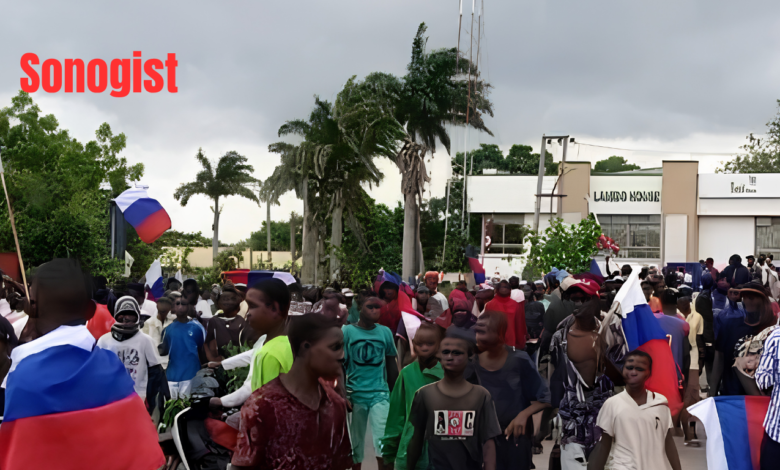
Russia has renewed its position on the appearance of Russian flags during Nigeria’s 2024 nationwide protests, distancing its government and officials from the demonstrations and rejecting suggestions that Moscow was involved in organising or coordinating the activities.
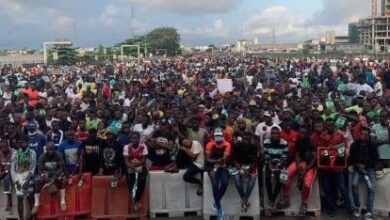
The controversy dates back to the #EndBadGovernance protests that began across Nigeria on August 1, 2024, when thousands of Nigerians took to the streets to express dissatisfaction with economic hardship, rising living costs, unemployment and the policies of President Bola Ahmed Tinubu’s administration.
The demonstrations attracted considerable attention after some protesters in northern Nigeria were seen carrying Russian flags and displaying symbols associated with the Russian Federation. Images and videos of the flags circulated widely on social media, prompting questions about why demonstrators had chosen to display the symbols of a foreign country during protests over Nigeria’s domestic challenges.
The appearance of the flags quickly became a subject of political and security discussions, with authorities examining the circumstances surrounding their use and whether the demonstrations had any connection to external interests.
Russia, however, maintained that its government had no involvement in the activities. Its position was that the use of Russian flags by individual protesters did not represent an official policy or political instruction from Moscow.
The controversy placed additional attention on the relationship between Nigeria and Russia, particularly at a time when Moscow has expanded its diplomatic engagement with several African countries.
The 2024 protests were organised against the background of widespread economic difficulties affecting Nigerian households. Demonstrators expressed concerns about the removal of the petrol subsidy, the depreciation of the naira, inflation and the rising cost of basic necessities.
For many Nigerians, the economic situation had become increasingly difficult, with food prices, transportation costs and household expenses placing pressure on incomes. The protests provided an opportunity for citizens to publicly express their concerns and demand changes to government policies.
The demonstrations took place in several parts of the country, including major cities and communities across the northern region. Protesters carried banners, displayed placards and called for measures to address the economic situation.
While many participants focused on economic demands, the appearance of Russian flags introduced another dimension to the demonstrations. The symbols attracted attention because Russia has become increasingly visible in political discussions across parts of Africa, particularly following developments in countries experiencing military coups and changes in their relationships with Western governments.
In some West African countries, Russian flags have appeared during demonstrations and public gatherings associated with opposition to existing governments. The symbols have sometimes been linked to expressions of support for Russia or dissatisfaction with Western influence.
However, the presence of Russian flags in Nigeria did not establish that the demonstrations were organised by Moscow or that protesters were acting under instructions from Russian authorities.
The distinction between individual political expression and foreign government involvement became central to the controversy. Authorities were concerned about the implications of displaying another country’s national symbols during a period of nationwide unrest, while Russia rejected suggestions that it had coordinated the activities.
The Nigerian government also faced questions about the security implications of the demonstrations. The protests occurred during a period of heightened economic frustration, and authorities were monitoring developments as gatherings spread across different locations.
Security officials warned against activities they considered capable of threatening national security. The display of foreign flags became part of those discussions, particularly after some demonstrators were seen waving Russian symbols alongside calls for political change.
The situation also resulted in investigations involving individuals suspected of producing or distributing the flags. Authorities reportedly detained some people in connection with the activities, although the circumstances surrounding each case would need to be established through the relevant legal process.
The controversy raised questions about the responsibilities of security agencies during protests and the need to distinguish peaceful political expression from activities that may violate the law.
Nigeria’s constitution recognises citizens’ rights to freedom of expression and peaceful assembly, subject to applicable legal provisions. Demonstrations have historically served as a means for citizens to communicate dissatisfaction with government policies and demand accountability.
At the same time, authorities have responsibilities to maintain public order and investigate credible threats to national security. The challenge is ensuring that security measures are carried out lawfully while protecting the rights of citizens participating in peaceful demonstrations.
The Russian flag controversy also highlighted the importance of understanding the motivations behind political symbols. Flags can communicate different messages depending on the circumstances, including solidarity, protest, admiration for a foreign country or dissatisfaction with domestic political leadership.
Without clear evidence, the use of a particular flag cannot automatically establish the existence of foreign sponsorship or coordination.
Russia’s position has been that its government and officials were not responsible for the activities involving the flags during the Nigerian protests. The controversy nevertheless attracted attention because of the broader geopolitical developments affecting relations between Russia and several African countries.
Nigeria maintains diplomatic relations with Russia and other international partners, while continuing to pursue its own foreign policy priorities. The country’s political decisions and domestic affairs remain matters for its institutions and citizens.
The 2024 protests also demonstrated how economic issues can become connected to wider discussions about governance, national sovereignty and international relationships.
For many participants, the central concerns were the cost of living, access to food, employment opportunities and the economic consequences of government reforms. The appearance of Russian flags became a separate issue that attracted political and security attention during the demonstrations.
As discussions surrounding the incident continue, the distinction between documented facts and speculation remains important. The presence of foreign symbols during protests does not, by itself, demonstrate that a foreign government organised or financed the activities.
The episode remains a reminder of the importance of transparent investigations, respect for peaceful political expression and careful handling of claims involving foreign interference.