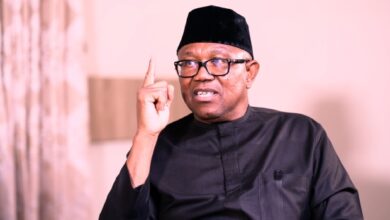
Breaking: Wike Declares 2027 Election ‘Over’, Speaks on Osun 2026 Governorship Outcome

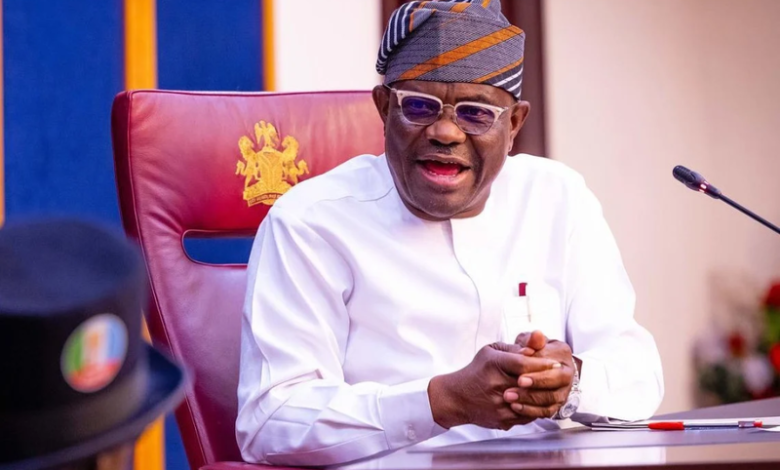
FCT Minister Nyesom Wike has declared that the outcome of the 2027 general election is already settled, while also commenting on the recently concluded Osun State governorship election.
Wike made the remarks while speaking about the evolving political situation in the country and the lessons emerging from the Osun governorship contest.
The former Rivers State governor, who remains one of Nigeria’s most influential political figures, expressed confidence about the political direction of the country ahead of the 2027 elections.
His comments have generated considerable attention because preparations for the next general election are already beginning, with political parties, candidates and various interest groups positioning themselves for what is expected to be a highly competitive contest.
Wike’s declaration that the 2027 election is effectively “over” appears to reflect his confidence in the political calculations currently taking shape.
The minister has remained deeply involved in Nigeria’s political affairs despite his movement from state-level politics into the Federal Capital Territory administration.
His political influence extends beyond Rivers State, and his comments on national elections are often closely watched by political actors across the country.
Speaking on the Osun governorship election, Wike also appeared to draw attention to the importance of the outcome and its implications for the country’s wider political landscape.
The Osun election had attracted significant national attention because of the fierce competition between the major political parties and the personalities involved in the contest.
The election was particularly important because Osun is considered a politically strategic state and has historically witnessed closely fought elections.
The result also generated extensive discussions about the strength of the different political parties and their ability to mobilise voters at the grassroots.
Wike’s comments come as political calculations surrounding 2027 become increasingly intense.
The 2027 presidential election is expected to be one of the most closely watched political contests in Nigeria’s recent history.
The ruling All Progressives Congress is seeking to retain power at the federal level, while opposition parties are attempting to build alliances capable of challenging the incumbent administration.
Political figures across the country are therefore already assessing possible alliances, candidates and strategies.
Wike’s latest remarks suggest that he believes the political balance is already becoming clear.
The minister has consistently demonstrated an ability to make strong political statements, particularly when discussing party leadership, elections and political alliances.
His political career has also been characterised by his willingness to take positions that sometimes differ from those of his former political associates.
That approach was particularly evident during the 2023 presidential election, when he and several other influential politicians within the Peoples Democratic Party refused to support the party’s presidential candidate.
The political developments that followed contributed to significant changes within the opposition camp.
Wike eventually accepted a ministerial appointment under President Bola Ahmed Tinubu, despite having previously been a prominent member of the PDP.
His appointment placed him within the federal administration and further strengthened his national political relevance.
Since then, his political statements have frequently generated debate among supporters and opponents of the government.
His latest comments about 2027 are therefore likely to attract reactions from across the political spectrum.
Some political observers may interpret his confidence as an indication that the ruling political structure believes it has a strong advantage going into the next election.
Others may regard the statement as political rhetoric designed to project strength and discourage opposition forces.
Either way, the declaration highlights the growing intensity of the political conversation ahead of 2027.
The minister’s comments on Osun also carry political significance because the state election has become a reference point in discussions about voter behaviour, party organisation and the strength of political structures.
The outcome demonstrated once again that elections in Nigeria can produce intense contests involving powerful political interests.
Political parties are expected to study the results carefully as they prepare for future elections.
The performance of candidates, voter turnout, campaign strategies and grassroots mobilisation will all provide lessons for the 2027 contest.
For Wike, the Osun election appears to form part of a wider political picture.
His remarks suggest that he sees the result as evidence of changing political calculations and believes the developments should be considered when assessing what lies ahead.
The minister’s position could also influence discussions within the opposition.
The opposition parties face the difficult task of coordinating their activities and deciding whether to contest the 2027 election independently or form alliances.
The PDP, Labour Party, African Democratic Congress and other political platforms have all been involved in discussions about how to challenge the ruling party.
The possibility of political realignment remains one of the major issues ahead of 2027.
Wike’s declaration that the election is already “over” could therefore be interpreted as a challenge to opposition politicians to reconsider their strategy.
Winning a presidential election in Nigeria requires more than a popular candidate.
Political parties must build structures across the states and local government areas, mobilise supporters, raise resources, deploy election agents and develop strong campaign organisations.
The ruling party has an advantage in terms of incumbency and access to an established political structure, while opposition groups are attempting to consolidate their own support bases.
The coming months will determine whether the current political calculations remain intact.
Wike’s comments also highlight the importance of political confidence.
Politicians frequently make strong predictions before elections, but actual electoral outcomes are determined by voters on election day.
The 2027 contest is still ahead, and political alliances can change significantly before campaigns officially intensify.
Candidates can emerge, parties can realign and voters can shift their preferences.
For this reason, Wike’s declaration is best viewed as a statement of his current political assessment rather than a literal determination of the eventual election result.
Nevertheless, his words are likely to influence political conversations.
The minister remains a major figure within the political establishment, and his opinions carry particular weight because of his extensive experience in Nigerian politics.
From his years as a party leader and governor to his current position in the federal government, Wike has remained deeply involved in the country’s political affairs.
His understanding of electoral strategy and political organisation makes his comments relevant to those monitoring the 2027 race.
The Osun election has also reinforced the importance of grassroots politics.
Despite the increasing influence of social media, elections are still won through extensive organisation at the community level.
Political parties that can mobilise voters in wards and local government areas often have a significant advantage during elections.
The 2027 presidential contest will likely place even greater emphasis on grassroots structures because of the size and diversity of Nigeria’s electorate.
Wike’s remarks therefore come at a time when politicians are already assessing their strengths and weaknesses.
The minister’s confidence could also encourage supporters of the ruling political camp to intensify preparations.
For opposition politicians, however, it may serve as another warning that they need to overcome internal divisions if they hope to mount a serious challenge.
The major question now is whether the political landscape Wike sees today will remain unchanged until 2027.
Nigeria’s political history shows that electoral calculations can change rapidly.
Alliances that appear strong today can collapse tomorrow, while politicians who seem to be on opposite sides can eventually find common ground.
The period leading up to 2027 is therefore expected to be filled with negotiations, defections, endorsements and new political alignments.
For now, Wike has made his assessment clear.
He believes the political direction ahead of 2027 is already becoming settled and has used the Osun governorship election to reinforce his broader argument about the state of Nigerian politics.
His comments are likely to remain part of the national political debate as parties continue preparing for the next general election.
Whether his prediction eventually proves correct will be determined by the choices Nigerians make at the ballot box in 2027.