2027: Tinubu, Atiku, Obi and 15 Others Make INEC’s Final Presidential Candidates’ List

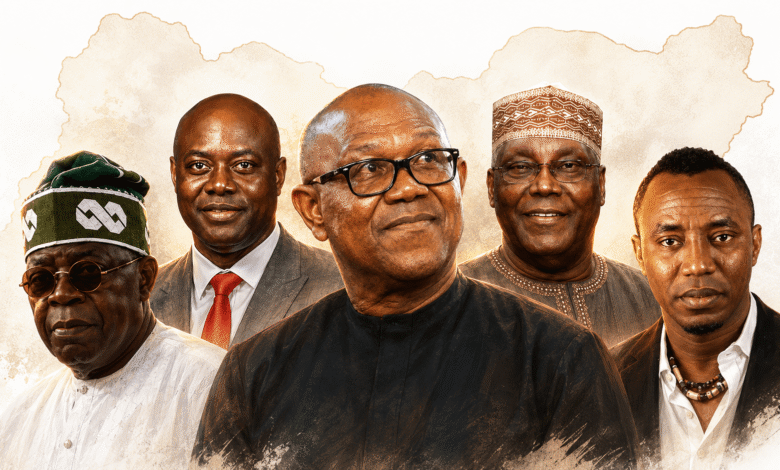
The Independent National Electoral Commission has released the final list of presidential candidates and their running mates for Nigeria’s 2027 general election, confirming 18 political parties for the presidential contest scheduled for January 16, 2027.
The publication formally places some of Nigeria’s most prominent political figures on the ballot, including incumbent President Bola Ahmed Tinubu of the All Progressives Congress, former Vice President Atiku Abubakar of the African Democratic Congress and former Anambra State Governor Peter Obi of the Nigeria Democratic Congress.
The final list, released in Abuja and signed by the Secretary of the electoral commission, Rose Oriaran-Anthony, also includes several other political figures who will be seeking the presidency on different platforms.
The publication brings greater clarity to a presidential race that has already generated intense political activity, realignments and competition among the ruling party and opposition groups.
Tinubu will contest the election with Vice President Kashim Shettima as his running mate under the APC. The president is seeking a second term after winning the 2023 presidential election.
Atiku Abubakar is listed as the presidential candidate of the ADC and will run alongside former Rivers State Governor Rotimi Amaechi.
Peter Obi, who has remained one of the most prominent opposition figures since the 2023 election, is listed as the presidential candidate of the NDC. His running mate is former Kano State Governor Rabiu Musa Kwankwaso.
The inclusion of the three major political figures is expected to further intensify the contest, particularly because each has developed a significant political following ahead of the 2027 election.
The final list also confirms the participation of Oyo State Governor Oluseyi Abiodun Makinde, who is contesting under the Allied Peoples Movement with Musa Lawal Daura as his running mate.
The Peoples Democratic Party is represented by Sandy Ojang Onor, while former Cross River State Governor Donald Duke is the presidential candidate of the Peoples Redemption Party.
Other candidates include Omoyele Sowore of the African Action Congress, Sunday Chibuzo Okereke of the Labour Party and Adewole Ebenezer Adebayo of the Social Democratic Party.
The full list shows a wide range of political parties competing for the presidency, reflecting the continued fragmentation of Nigeria’s political landscape.
The 18 presidential candidates and their running mates are:
- APC: Bola Ahmed Tinubu — Kashim Shettima
- ADC: Atiku Abubakar — Rotimi Amaechi
- NDC: Peter Gregory Obi — Rabiu Musa Kwankwaso
- Labour Party: Sunday Chibuzo Okereke — Hajja Bintu Konto
- PDP: Sandy Ojang Onor — Umaru Babangida
- Action Alliance: Rufai Adekunle Omo-Aje — Shehu Hussaini
- Action Democratic Party: Abbas-Bin Aliyu — Chinazam Ike
- Allied Peoples Party: Kabiru Yusuf — Peace Egobia Ofordile
- African Action Congress: Omoyele Sowore — Haruna Garba Magashi
- Allied Peoples Movement: Oluseyi Abiodun Makinde — Musa Lawal Daura
- Boot Party: Sunday Adenuga — Usman Turaki Mustapha
- Democratic Labour Alliance: Moses Olusoji Adebisi — Nafisat Usaku Abubakar
- National Democratic Party: Ada Elizabeth Fredrick Okwori — Uchenna Anthony Chukwuemeka
- National Rescue Movement: Nkem Esther Okereke — Nasir Muhammed Sulaiman
- Peoples Redemption Party: Donald Duke — Kabiru Rabiu
- Social Democratic Party: Adewole Ebenezer Adebayo — Usman Muhammed Bugaje
- Young Progressive Party: Peter Ada Agada — Patience Ndidi Key
- Zenith Labour Party: Daniel Daberechukwu Nwanyanwu — Hassan Khalid
The final list also reveals a notable gender representation among the presidential candidates.
Two women are contesting the presidency. They are Ada Elizabeth Fredrick Okwori of the National Democratic Party and Nkem Esther Okereke of the National Rescue Movement.
Four women are listed as vice-presidential candidates. They are Peace Egobia Ofordile of the Allied Peoples Party, Nafisat Usaku Abubakar of the Democratic Labour Alliance, Hajja Bintu Konto of the Labour Party and Patience Ndidi Key of the Young Progressive Party.
The age profile of the candidates also varies considerably.
The youngest presidential candidate on the final list is Moses Olusoji Adebisi of the Democratic Labour Alliance, who is listed at 35 years old.
At the other end of the age range is Atiku Abubakar, who is listed at 79, making him the oldest presidential candidate on the list.
Tinubu is listed at 74, while Peter Obi is listed at 65. Makinde is 58, Donald Duke is 64, Sowore is 55 and Adewole Adebayo is 54.
The range of candidates means the election will feature politicians from different generations, backgrounds and political traditions.
The release of the final list also represents an important stage in the electoral process because it establishes the candidates officially recognised by INEC for the presidential election.
Political parties had previously completed their primary elections and submitted their nominees as part of the electoral timetable.
With the final list now published, candidates and their parties can focus more directly on the campaign and mobilisation phase of the election.
The 2027 contest is already shaping up as a highly competitive election, particularly because of the political realignment that has taken place since the 2023 election.
Atiku and Obi are both seeking the presidency again after their previous campaigns, while Tinubu is defending his position as the incumbent.
The emergence of new political platforms and the movement of prominent politicians between parties have also added another layer of uncertainty to the contest.
Obi’s decision to contest under the NDC rather than the Labour Party marks a major change from the 2023 election, when he emerged as the Labour Party’s presidential candidate and attracted substantial support, particularly among younger voters and in parts of southern Nigeria.
Atiku’s movement to the ADC has also transformed the political structure surrounding his campaign, while the selection of Amaechi as his running mate adds another influential political figure to the ticket.
Tinubu’s ticket, meanwhile, retains Shettima as vice-presidential candidate as the APC seeks to defend the presidency and secure another four-year mandate.
The presence of Makinde on the final list also adds another significant political personality to the race. The Oyo State governor has built a strong political profile through his years in state government and will now seek to translate that experience into a national presidential campaign.
Donald Duke is another experienced politician returning to the presidential contest. The former Cross River governor previously contested for the presidency and has remained active in national political discussions.
Sowore is also returning to the presidential race, continuing his advocacy for political and institutional reforms.
Adewole Adebayo, who contested the 2023 election under the SDP, is again on the ballot and has continued to campaign around issues including poverty reduction, insecurity, electricity and economic reform.
The final list therefore contains both familiar presidential contenders and candidates seeking to expand their political influence at the national level.
The election is scheduled for January 16, 2027, while the governorship and State Houses of Assembly elections are scheduled for February 6, 2027.
The timing of the presidential election means the coming months are expected to witness intensified campaigns, debates, rallies, political negotiations and efforts by the various candidates to build nationwide support.
For the major candidates, the central challenge will be turning existing political followings into votes across Nigeria’s diverse regions.
Nigeria’s presidential election requires a candidate to secure the highest number of votes while also meeting the constitutional requirement for broad geographical support.
This means candidates cannot rely solely on strongholds. They must seek meaningful support across different regions and groups of states.
The final list also highlights the large number of political parties participating in the presidential contest, although the practical strength of each party varies significantly.
While the APC, ADC, NDC and PDP have established political structures and prominent figures, smaller parties will have to work harder to gain visibility and convince voters that they can compete effectively.
The presence of 18 presidential candidates could also influence the distribution of votes, particularly if voters remain divided among several opposition candidates.
The political camps surrounding Tinubu, Atiku and Obi will therefore face pressure to consolidate support as the campaign develops.
Beyond the personalities of the candidates, issues such as the economy, insecurity, unemployment, electricity, healthcare, education, corruption and the cost of living are expected to dominate the campaign.
The 2027 election will also provide voters with an opportunity to assess the performance of the current administration against the alternative programmes being presented by opposition candidates.
For the APC, the election is an opportunity to seek renewed support for Tinubu’s administration and its policies.
For the opposition parties, the contest represents an opportunity to challenge the ruling party and present alternative approaches to governing the country.
With INEC’s final list now officially published, the field for the presidential election has become clearer.
The candidates will now face the task of convincing millions of Nigerian voters that their individual programmes, experience and leadership styles offer the best path for the country.
The contest is expected to become even more intense as the election draws closer, with alliances, endorsements, debates and campaign activities likely to shape public opinion.
For now, Tinubu, Atiku, Obi and the other 15 presidential candidates have officially secured their places on the final list, setting the stage for one of Nigeria’s most closely watched presidential elections in recent years.
The ultimate decision, however, will rest with Nigerian voters when they head to the polls on January 16, 2027.