Traditional Rulers Seek Divine Guidance for Tinubu, Governors as Nigeria Faces Economic and Security Challenges

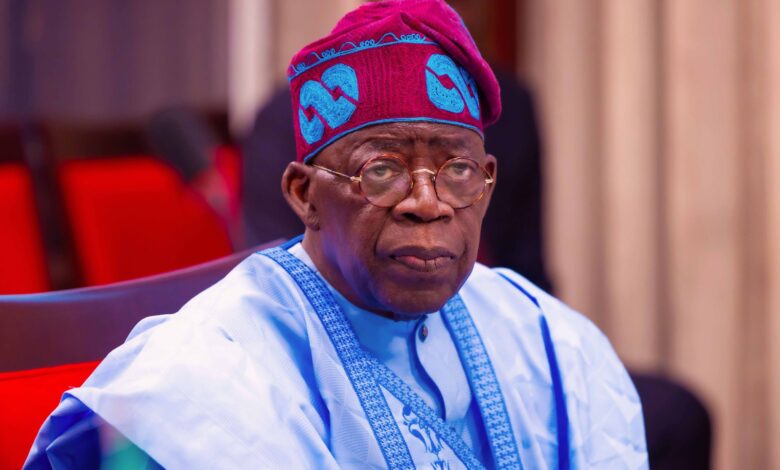
Traditional rulers across Nigeria have called for prayers for President Bola Ahmed Tinubu and state governors, highlighting the importance of divine guidance, peaceful leadership and national unity as the country continues to confront economic and security challenges.
The appeal has drawn attention to the role of traditional institutions in Nigeria’s governance structure, particularly their longstanding relationship with political leaders and their involvement in community development, conflict resolution and efforts to promote peace.
Traditional rulers occupy an important position in many Nigerian communities, serving as custodians of cultural heritage and intermediaries between residents and government authorities. Their responsibilities often extend beyond ceremonial activities to include consultations on security, development projects and the welfare of their people.
The call for prayers for Tinubu and governors comes at a time when Nigerians are closely watching government policies and their effects on everyday life. Rising living costs, unemployment, insecurity and concerns about access to essential services remain important issues for households across different parts of the country.
For many citizens, leadership involves making decisions that affect food prices, transportation, education, healthcare, employment opportunities and the general cost of living. These concerns have continued to shape public discussions about the responsibilities of elected officials and the expectations placed on government institutions.
The traditional rulers’ appeal places spiritual guidance alongside these broader conversations about leadership and national development. Prayers for political leaders are often associated with hopes for wisdom, patience, justice and the ability to make decisions that serve the interests of the population.
Nigeria is a country with diverse religious and cultural traditions, and prayer remains an important part of public life for many communities. Religious leaders and traditional institutions frequently organise gatherings to seek peace, stability and progress, particularly during periods of economic uncertainty or security concerns.
The involvement of traditional rulers in such appeals also reflects the influence they continue to exercise within their communities. In many areas, they maintain relationships with residents, local authorities and government officials, making them important participants in discussions about development and public welfare.
Their calls for prayers can also provide an opportunity to encourage peaceful coexistence and responsible leadership. Nigeria’s political environment involves different interests, opinions and expectations, and maintaining dialogue between communities and government institutions remains important.
President Tinubu and the governors are responsible for addressing a wide range of challenges affecting the country. At the federal level, the president oversees national policy, security coordination and economic administration, while governors manage state-level responsibilities, including infrastructure, healthcare, education and other public services.
The effectiveness of these responsibilities depends on several factors, including financial resources, institutional capacity, cooperation between different levels of government and the implementation of policies.
For traditional rulers, the call for divine guidance may also reflect the desire for leaders to remain attentive to the needs of ordinary citizens. Communities often look to their leaders for protection, support and opportunities to improve their living conditions.
Security remains another important concern in several parts of Nigeria. Some communities have experienced attacks, kidnapping, displacement and other forms of violence that have affected livelihoods and access to public services.
Addressing these challenges requires coordination among security agencies, government authorities and communities. Traditional rulers can contribute by encouraging peaceful dialogue, sharing relevant information with appropriate authorities and supporting efforts to prevent conflicts.
However, lasting security improvements also depend on effective law enforcement, protection of vulnerable populations and measures that address the economic and social difficulties affecting communities.
The economy is equally important to the welfare of Nigerians. Many households continue to face pressure from the cost of food, transportation, accommodation and other necessities. These challenges have increased public interest in policies aimed at improving incomes, creating employment and strengthening social support.
Governors also face different circumstances across their states, including variations in revenue, infrastructure needs, population and security conditions. Their ability to deliver public services depends partly on how resources are managed and how effectively development priorities are implemented.
The traditional rulers’ appeal therefore comes against a background of widespread expectations that political leaders will demonstrate accountability, transparency and commitment to public service.
Beyond prayers, traditional institutions can contribute to national development through community engagement, mediation and the promotion of peaceful relationships among residents. Their local knowledge may also help authorities understand the concerns of communities and identify areas where public services are needed.
Nigeria’s traditional institutions have historically played roles in community leadership, cultural preservation and conflict resolution. Although their constitutional and administrative responsibilities differ from those of elected officials, they remain influential in many local settings.
The relationship between traditional rulers and political leaders can provide opportunities for cooperation on issues affecting communities. Such engagement may involve discussions about security, infrastructure, education, healthcare and the protection of cultural heritage.
At the same time, public expectations of elected officials remain centred on their ability to fulfil constitutional responsibilities and deliver measurable improvements in people’s lives.
The call for prayers for Tinubu and the governors also reflects the belief among many Nigerians that leadership requires wisdom and a sense of responsibility. Decisions made by public officials can have far-reaching consequences, making careful consideration and effective administration essential.
As the country continues to navigate its economic and security challenges, citizens will be watching how governments respond to their concerns and whether policies translate into practical benefits.
The traditional rulers’ appeal has consequently brought renewed attention to the relationship between spiritual guidance, community leadership and public responsibility in Nigeria.
Ultimately, the hope expressed through the call for prayers is that the president and governors will be guided toward decisions that promote peace, protect lives, strengthen institutions and improve the welfare of Nigerians.