
Banning Social Media For Teenagers Exposes Them To More Danger, Says Telegram CEO

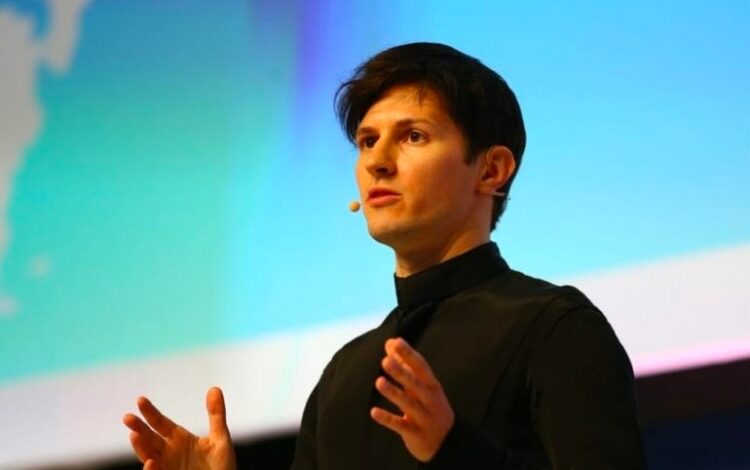
Telegram CEO Pavel Durov has argued that outright bans on social media use by teenagers could expose young people to greater risks rather than protecting them, reigniting a global debate over online safety, parental control, and the role of technology in modern society.
Speaking during a recent interview on June 16, 2026, Durov said governments and regulators should focus on creating safer digital environments instead of imposing blanket restrictions that could push teenagers toward less regulated corners of the internet.
According to him, social media platforms have become deeply integrated into the lives of young people, serving not only as spaces for entertainment but also for education, communication, and self-expression.
“Simply banning teenagers from social media does not eliminate the challenges they face online,” Durov reportedly said. “In some cases, it may drive them to seek alternatives that are less secure, less transparent, and more difficult for parents or authorities to monitor.”
The Telegram founder argued that the internet has evolved into an essential part of modern life and that young people should be taught how to navigate it responsibly rather than be completely shut out.
His remarks come at a time when several countries are considering or implementing stricter age restrictions on social media platforms. Governments have increasingly cited concerns about cyberbullying, harmful content, misinformation, addiction, and the impact of social media on mental health as reasons for tighter regulations.
Supporters of stricter rules argue that children and teenagers need stronger protections from online threats and that social media companies should do more to ensure age-appropriate experiences.
However, Durov believes that prohibition alone is unlikely to solve the problem.
He warned that when young people are denied access to mainstream platforms, they may migrate to smaller or underground networks where moderation is weaker and harmful content is more difficult to detect.
“History has shown that bans rarely eliminate demand,” he said. “The challenge is to make digital spaces safer and more transparent, not to push users into the shadows.”
The comments have sparked mixed reactions from educators, parents, and technology experts.
Some child safety advocates disagreed with Durov’s position, arguing that certain restrictions are necessary to shield teenagers from harmful online experiences.
Others agreed that education and digital literacy should play a greater role in helping young people understand online risks, privacy, and responsible social media use.
Technology analysts say the debate reflects a broader global struggle to balance freedom of expression, innovation, and the protection of minors.
Over the past few years, social media companies have faced increasing scrutiny over how their platforms affect young users. Critics have called for stronger safeguards, while technology firms have introduced new parental controls, content moderation tools, and age verification systems.
Durov maintained that technology companies, governments, schools, and families should work together to address these challenges rather than rely solely on bans.
He emphasized that empowering teenagers with knowledge and giving parents better tools to guide online behavior may prove more effective than restricting access entirely.
As countries continue to debate the future of social media regulation, Durov’s remarks have added a fresh perspective to an issue that affects millions of families around the world.
Whether policymakers embrace his approach or pursue stricter restrictions, one thing remains clear: the conversation about teenagers and social media is far from over, and the decisions made today could shape the digital experiences of future generations for years to come.