
The Italian government has appealed for calm and restraint following reports of Iranian attacks targeting Bahrain and Kuwait, warning that further escalation could threaten regional stability and undermine ongoing diplomatic efforts in the Middle East.
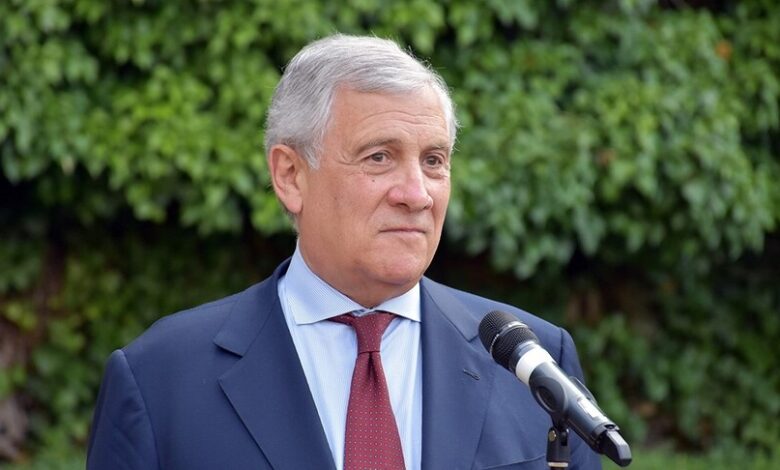
In a statement issued after the incidents, Italian officials expressed deep concern over the rising tensions, urging all parties involved to avoid actions that could worsen the security situation.
Italy emphasized the importance of dialogue and diplomacy, stressing that military escalation would only increase the risk of a broader regional conflict with potentially serious humanitarian and economic consequences.
The government reaffirmed its commitment to supporting international efforts aimed at reducing tensions and promoting peaceful solutions through diplomatic engagement.
Officials also called on all countries in the region to respect international law and prioritize measures that protect civilian lives and critical infrastructure.
The latest developments have heightened concerns among world leaders, many of whom fear that continued hostilities could disrupt regional security and global energy markets.
Italy noted that stability in the Gulf remains essential not only for the Middle East but also for international trade and economic security, given the region’s strategic importance to global oil and gas supplies.
The government said it is closely monitoring the situation in coordination with its international partners and remains in contact with diplomatic missions across the region.
Italian authorities also assured citizens living or travelling in affected areas that they are following developments closely and would issue updated travel guidance if necessary.
Meanwhile, international observers continue to call for renewed diplomatic engagement to prevent the crisis from expanding beyond the countries directly involved.
Analysts warn that any further escalation could have significant geopolitical implications, affecting regional alliances, international commerce, and global financial markets.
As tensions remain high, Italy has joined other nations in urging restraint, emphasizing that dialogue remains the most effective path toward reducing hostilities and restoring stability.
For now, the international community continues to monitor developments while encouraging all sides to pursue peaceful solutions and avoid actions that could further destabilize the region.
Italy also reaffirmed its support for international diplomatic initiatives aimed at preventing the crisis from escalating further, urging all parties to prioritize dialogue over military action.
Officials in Rome warned that prolonged instability in the Gulf could have far-reaching consequences beyond the region, affecting global energy supplies, international shipping routes, and economic confidence.
As one of Europe’s major economies, Italy has a strong interest in maintaining peace and stability in the Middle East, where disruptions can directly influence energy markets and trade.
The Italian government said it is maintaining close communication with its allies, regional partners, and international organizations as efforts continue to de-escalate tensions.
Italian diplomatic missions across the Gulf have also been placed on heightened alert, with authorities closely monitoring the security situation and providing assistance to Italian citizens where necessary.
Meanwhile, world leaders have continued to urge restraint, emphasizing that further military exchanges could increase the risk of a wider regional conflict involving additional countries.
Security analysts caution that any sustained escalation could have serious humanitarian consequences, including displacement of civilians, damage to critical infrastructure, and increased pressure on already fragile regional economies.
They also warn that instability in the Gulf could disrupt vital maritime trade routes through which a significant portion of the world’s oil and liquefied natural gas is transported.
Despite the growing uncertainty, diplomats remain hopeful that continued international engagement can help reduce tensions and encourage a return to negotiations.
Several governments have called for renewed diplomatic dialogue, arguing that open communication remains the most effective way to address security concerns while avoiding further violence.
Italy has reiterated its readiness to support initiatives that promote peace, regional cooperation, and respect for international law, stressing that lasting stability can only be achieved through constructive dialogue.
As the situation continues to develop, governments around the world are expected to remain on high alert, carefully assessing the potential impact on regional security and the global economy.
For now, the international community’s focus remains on preventing further escalation and encouraging all parties to pursue peaceful solutions that can restore stability across the Gulf region.
The latest developments have also renewed calls for greater international cooperation to prevent the conflict from expanding beyond the Gulf.
Foreign policy experts say sustained diplomatic engagement will be essential in reducing tensions and rebuilding confidence among countries in the region.
According to analysts, continued hostilities could complicate existing efforts to address broader security challenges in the Middle East, where several nations are already grappling with political instability, humanitarian concerns, and economic pressures.
Italy has reiterated that the protection of civilians must remain a top priority, urging all parties to exercise maximum restraint and comply with international humanitarian law.
The government also emphasized the importance of safeguarding critical infrastructure, including energy facilities and transportation networks, whose disruption could have consequences far beyond the region.
Meanwhile, international organizations continue to monitor the security situation closely, coordinating with member states to assess potential humanitarian and economic implications should the crisis deepen.
Energy market observers are also keeping a close watch on developments, noting that uncertainty in the Gulf often influences global oil prices due to the region’s central role in international energy production and exports.
Financial analysts say prolonged instability could affect investor confidence and increase volatility across international markets if tensions remain unresolved.
Despite the uncertainty, diplomatic channels remain active, with several countries encouraging direct dialogue aimed at preventing further military confrontation.
Observers believe that continued communication between regional and global powers will be critical in reducing misunderstandings and creating opportunities for peaceful conflict resolution.
Italy has reaffirmed its commitment to working alongside its international partners in support of initiatives that encourage stability, dialogue, and long-term peace across the Middle East.
Officials in Rome maintain that while the current situation remains serious, diplomacy continues to offer the most realistic path toward preventing a wider regional conflict.
As the international community awaits further developments, governments around the world remain focused on promoting de-escalation, protecting civilian populations, and preserving stability in one of the world’s most strategically important regions.
For now, the hope among diplomats is that restraint, constructive engagement, and sustained international cooperation will help prevent the crisis from evolving into a broader conflict with lasting global consequences.