Yemen’s Taiz Province Faces Deepening Humanitarian Crisis as Displacement Surpasses 135,000 in Two Months

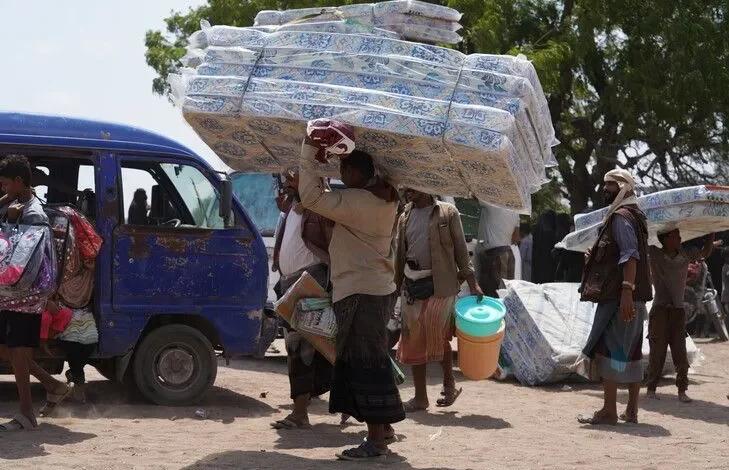
More than 135,000 people have reportedly been displaced in Yemen’s Taiz province over a two-month period, highlighting the growing humanitarian challenges facing communities affected by the country’s prolonged conflict.
The figures, announced by a minister, point to a significant movement of people forced to leave their homes in search of safety. The displacement has increased pressure on already vulnerable communities and raised concerns about access to essential services, shelter, food and medical care.
For many families, leaving home means abandoning their belongings, livelihoods and familiar surroundings without knowing when they will be able to return. Displaced residents often face difficult journeys, uncertain accommodation and limited resources as they attempt to rebuild their lives in unfamiliar locations.
The situation in Taiz reflects the wider humanitarian consequences of Yemen’s years of conflict and instability. Fighting, insecurity and deteriorating living conditions have contributed to repeated population movements in different parts of the country, leaving many households dependent on humanitarian assistance.
The arrival of large numbers of displaced people can place additional pressure on host communities, particularly in areas where housing, healthcare facilities, schools and clean water supplies are already limited. Families may be forced to share crowded accommodation or seek shelter in temporary settlements with inadequate facilities.
Children are particularly vulnerable during displacement. Disrupted schooling, poor living conditions and limited access to healthcare can affect their safety, education and development. Families with young children, older people and individuals with disabilities may face additional difficulties obtaining food, shelter and medical assistance.
Access to clean drinking water and sanitation is another major concern in overcrowded settlements. Where these services are insufficient, displaced populations can face increased risks of disease and other preventable health problems.
The reported scale of displacement also raises questions about the resources available to humanitarian organisations working in the region. Providing emergency shelter, food supplies, medical services and protection for more than 135,000 displaced people requires substantial logistical support and sustained funding.
Humanitarian agencies typically prioritise the most urgent needs, including assistance for families without shelter, emergency healthcare, safe drinking water and essential household supplies. However, the ability to reach affected populations can depend on security conditions, available funding and access to the areas where displaced people are staying.
The crisis also threatens the livelihoods of families who depend on farming, small businesses and daily employment. When people leave their homes, they may lose access to land, workplaces and other sources of income, making it harder to afford food and other necessities.
For households already struggling with poverty, displacement can deepen financial hardship and increase dependence on outside assistance. Some families may also become separated during hurried departures, adding further emotional strain to an already difficult situation.
The minister’s reported figures underline the urgency of understanding the reasons behind the latest population movement and determining what assistance affected communities require. Continued monitoring will be important to establish whether displacement is ongoing and whether additional families are likely to need emergency support.
Long-term recovery will require more than temporary shelter and food distribution. Restoring access to education, healthcare, livelihoods and basic infrastructure will be essential to helping displaced families regain stability when conditions permit them to return home or settle elsewhere.
The wider challenge remains finding a lasting solution to Yemen’s conflict and instability so that civilians can live safely without repeatedly being forced to abandon their homes.
As the humanitarian situation develops, the needs of displaced families in Taiz will remain a major concern, particularly for children and other vulnerable people who depend on reliable access to basic services.
The displacement of more than 135,000 people in just two months represents a serious humanitarian concern and highlights the need for sustained assistance, protection for civilians and efforts to prevent further suffering.