Wike Opens Fresh Political Debate, Challenges Atiku and Amaechi to Account for Their Records in Public Office


A fresh political controversy has emerged in Nigeria following remarks by the Minister of the Federal Capital Territory, Nyesom Wike, questioning the record of former Vice President Atiku Abubakar and demanding explanations from former Minister of Transportation, Rotimi Amaechi, over projects associated with their time in public office.
The development has renewed discussions about governance, infrastructure delivery, accountability and the responsibility of political leaders to explain their performance to Nigerians.
Wike’s questions have placed the records of two prominent political figures under renewed public scrutiny, particularly concerning their contributions to national development and the projects undertaken during their respective periods in government.
The disagreement comes at a time when political discussions across the country are increasingly focused on leadership performance, economic challenges and the need for public officials to demonstrate measurable results.
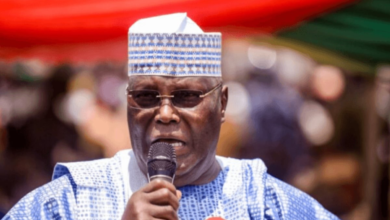
Atiku, who served as Nigeria’s vice president between 1999 and 2007, has remained an influential figure in the country’s political landscape. His years in government continue to attract discussions about economic policies, infrastructure development and the administration’s approach to national challenges.
Wike’s questions concerning Atiku’s record have therefore added another dimension to the ongoing political debate about the achievements of previous administrations and the responsibilities of those who occupied important government positions.
The former vice president’s time in office covered several major national policy discussions, including economic reforms, privatisation, electricity generation and infrastructure development. These issues remain central to conversations about Nigeria’s development and the effectiveness of successive governments.
The controversy also extends to Amaechi, a former governor of Rivers State who later served as minister of transportation under former President Muhammadu Buhari.
During his time in government, Amaechi was associated with several major transportation initiatives, including railway development and efforts to expand infrastructure connecting different parts of the country.
His tenure as transportation minister continues to attract public discussion, particularly regarding the implementation, financing and completion of projects undertaken during the period.
Wike’s demand for explanations over projects associated with Amaechi has consequently brought attention to the importance of documenting government achievements and ensuring that public resources produce tangible benefits.
Infrastructure projects are among the most visible indicators of government activity because they often involve substantial public expenditure and have direct consequences for transportation, commerce and economic development.
However, assessing the performance of an administration requires more than identifying projects announced or initiated during its tenure. It also involves examining whether those projects were completed, how much they cost, whether they met their intended objectives and what benefits they delivered to the public.
The debate has therefore raised questions about the distinction between projects that were proposed, those that received funding, those that were completed and those that remain unfinished.
For many Nigerians, accountability discussions are particularly important because infrastructure development has a direct impact on daily life. Roads, railways, electricity and other public facilities influence transportation costs, business operations, employment opportunities and access to essential services.
When political leaders challenge one another over government performance, the public has an opportunity to examine the records of those involved and consider the evidence behind their claims.
Atiku’s political career has included several presidential campaigns and continued participation in national political discussions. His experience as vice president and his involvement in opposition politics have made his record a recurring subject of debate among political actors.
Amaechi, meanwhile, has occupied several prominent positions, including governor of Rivers State and minister of transportation. His experience in both state and federal government has also made his public service record a subject of political discussion.
The latest controversy highlights the broader question of whether political leaders should provide detailed explanations about the projects they supervised and the outcomes achieved during their time in office.
Such explanations can help Nigerians understand how government decisions were made, what public resources were committed and whether the projects delivered the expected results.
The discussion also underscores the importance of transparency in public spending. Major infrastructure initiatives often require years of planning, funding and implementation, making it necessary to examine their progress beyond political announcements.
Where disagreements arise over project performance, official records, budget documents, completion reports and independent assessments can provide a clearer picture of what happened.
Political exchanges, however, do not automatically establish whether a particular project was successful or unsuccessful. Claims made during public debates need to be examined alongside available evidence, including the circumstances under which projects were initiated and the challenges encountered during implementation.
The controversy involving Wike, Atiku and Amaechi has therefore brought renewed attention to the need for evidence-based discussions about governance and public service.
It also reflects the increasingly important role of public accountability in Nigeria’s political environment, where citizens continue to demand explanations about government expenditure, infrastructure delivery and the effectiveness of public policies.
As the debate develops, the records of the individuals involved are likely to remain part of wider conversations about leadership, responsibility and the performance of successive administrations.
Ultimately, the central issue raised by the controversy is the need for political leaders to explain their decisions, provide verifiable information about projects undertaken during their tenure and demonstrate how their actions contributed to national development.
For Nigerians, the discussion presents an opportunity to focus on documented achievements, project outcomes and the responsible use of public resources rather than relying solely on political accusations.