
India’s Biofuel Expansion Sparks Debate as Motorists Raise Concerns Over Ethanol-Blended Petrol

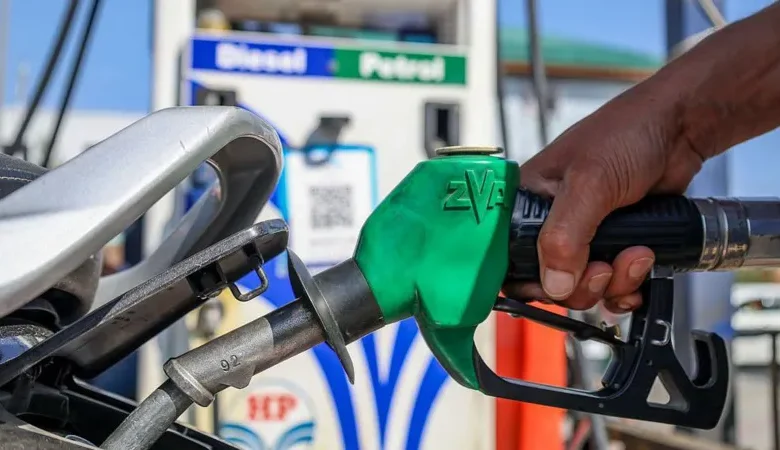
India’s ambitious drive to increase the use of biofuels in its transport sector is attracting growing attention as the government continues expanding the supply of ethanol-blended petrol across the country. While officials describe the initiative as a major step toward improving energy security, reducing fuel imports, and lowering carbon emissions, many motorists have expressed concerns about how the transition could affect vehicle performance, maintenance costs, and long-term engine reliability.
The biofuel programme forms a key part of India’s broader energy and environmental strategy, with authorities seeking to reduce the country’s dependence on imported crude oil while encouraging the use of renewable energy sources.
Under the initiative, petrol sold at filling stations increasingly contains ethanol—a renewable fuel produced primarily from agricultural crops such as sugarcane, maize, and other plant-based materials. Government officials believe blending ethanol with petrol will help diversify India’s energy mix while supporting domestic agriculture and reducing greenhouse gas emissions from the transport sector.
India remains one of the world’s largest consumers of petroleum products, importing a significant proportion of the crude oil required to meet domestic demand. As global oil prices continue to fluctuate and geopolitical tensions occasionally disrupt international energy markets, policymakers have intensified efforts to strengthen energy independence through locally produced alternatives.
Officials argue that greater use of ethanol could reduce billions of dollars spent annually on fuel imports while simultaneously creating new economic opportunities for farmers and agricultural industries involved in biofuel production.
According to government estimates, increasing ethanol blending has already contributed to measurable reductions in foreign exchange spending on imported fuel while encouraging additional investment in domestic ethanol manufacturing facilities.
The programme has also been promoted as part of India’s commitment to addressing climate change by reducing emissions associated with fossil fuel consumption.
Despite these expected benefits, many motorists remain unconvinced.
Some drivers have reported concerns about changes in fuel efficiency, claiming their vehicles appear to consume more fuel after switching to higher ethanol blends. Others worry that prolonged use could increase engine wear, particularly in older vehicles that were not originally designed to operate on higher concentrations of ethanol.
Vehicle owners have also expressed uncertainty regarding maintenance requirements and repair costs.
Several mechanics report receiving more questions from customers seeking clarification about whether ethanol-blended petrol could affect engine components, rubber seals, fuel lines, or other parts susceptible to corrosion or moisture absorption.
Although automotive experts note that many modern vehicles are engineered to accommodate ethanol blends safely, they acknowledge that compatibility may vary depending on the vehicle’s age, manufacturer specifications, and maintenance history.
Manufacturers have generally advised motorists to follow recommended fuel guidelines while ensuring regular servicing to maintain optimal engine performance.
Industry specialists explain that ethanol possesses different chemical characteristics from conventional petrol.
It burns more cleanly and contains oxygen, which can improve combustion and reduce certain harmful emissions. However, ethanol also contains less energy per litre than petrol, meaning higher blends may slightly reduce fuel economy under some driving conditions.
Experts emphasize that the actual impact varies significantly depending on engine design, driving habits, weather conditions, and fuel quality.
Government officials continue to assure consumers that the ethanol-blended petrol currently being distributed complies with established technical standards and has undergone extensive testing before nationwide implementation.
Authorities also maintain that the programme has been introduced gradually to allow vehicle manufacturers, fuel suppliers, and consumers sufficient time to adapt.
Environmental advocates have welcomed the initiative, arguing that increased use of renewable fuels represents an important step toward reducing dependence on fossil fuels and limiting harmful emissions from transportation.
They note that cleaner-burning fuels can contribute to improved air quality, particularly in densely populated urban areas where vehicle emissions remain a major environmental concern.
Agricultural stakeholders have likewise expressed support, pointing out that expanding ethanol production creates additional markets for farmers while encouraging investment in rural economies.
The increased demand for crops used in biofuel production has the potential to improve agricultural incomes and stimulate related industries involved in processing, transportation, and storage.
However, some economists caution that careful planning will be necessary to balance energy production with food security.
They argue that expanding the use of agricultural products for fuel should not compromise food availability or significantly increase prices for essential crops.
Energy analysts also stress the importance of continuing investment in multiple renewable technologies rather than relying exclusively on biofuels.
They suggest that ethanol should complement broader efforts involving electric vehicles, hydrogen technology, improved public transportation, and greater energy efficiency across the transport sector.
Meanwhile, India’s automobile industry continues adapting to the changing energy landscape by developing engines capable of operating efficiently with higher ethanol blends.
Several manufacturers have announced plans to introduce vehicles specifically designed for greater fuel flexibility, allowing consumers to benefit from future increases in renewable fuel usage.
For motorists, the transition represents a period of adjustment as both government and industry continue providing information about fuel compatibility, maintenance practices, and long-term performance expectations.
Consumer organizations have called for expanded public awareness campaigns to help drivers understand how ethanol-blended petrol affects different categories of vehicles and what precautions owners should take.
As India moves forward with one of the world’s largest biofuel expansion programmes, the debate surrounding ethanol-blended petrol is expected to continue.
Supporters view the initiative as an important investment in energy independence, environmental sustainability, and agricultural development, while critics remain focused on potential effects on vehicle performance and consumer costs.
Ultimately, the long-term success of the programme will depend on maintaining public confidence, ensuring fuel quality, supporting technological innovation, and balancing environmental goals with the practical needs of millions of motorists who rely on their vehicles every day.