

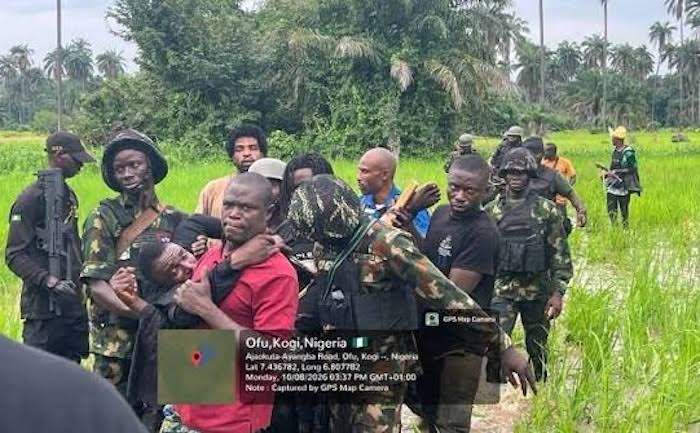
A survivor of the recent abduction in Kogi State has opened up about the terrifying experience endured while in captivity, recounting how injuries sustained during the ordeal left the victim bleeding throughout the night.
The account has shed fresh light on the harsh conditions faced by victims of kidnapping, as families and communities continue to grapple with the security challenges affecting several parts of the country.
According to the survivor, the ordeal began after the abductors took control of the victims and moved them away from safety. What followed was a frightening period of uncertainty, with the captives forced to endure difficult conditions while their families remained anxious about their whereabouts.
The survivor said the experience became particularly traumatic after sustaining an injury that caused continuous bleeding.
“I bled throughout the night,” the survivor reportedly recounted, describing the pain, fear and uncertainty experienced while in captivity.
The account paints a disturbing picture of the physical and emotional trauma that can accompany kidnapping.
For victims, the experience often involves more than being physically removed from their homes or places of work. They may be subjected to harsh treatment, threats and psychological pressure while having little idea of whether they will be rescued or released.
The Kogi survivor’s account has therefore renewed concerns about the dangers faced by residents in communities vulnerable to criminal attacks.
Kidnapping remains one of the major security concerns confronting Nigeria, with victims ranging from farmers and commuters to students, traditional rulers and other members of the public.
In many cases, victims are held for days or weeks while their families negotiate with abductors.
The situation can place enormous pressure on relatives, who may struggle to raise money for ransom while simultaneously dealing with fear and uncertainty.
The Kogi incident has also highlighted the importance of timely intervention when people are reported missing or abducted.
Security agencies are frequently under pressure to locate victims and dismantle criminal networks responsible for such attacks.
For survivors, however, the end of captivity does not necessarily mean the immediate end of the ordeal.
Many victims may continue to deal with the emotional impact of what they experienced long after returning home.
The survivor’s description of bleeding through the night demonstrates the physical dangers that can occur during captivity, particularly when victims are injured and denied access to proper medical care.
The incident has consequently generated calls for stronger security measures in vulnerable areas and improved emergency responses to kidnapping cases.
Residents have also continued to urge security agencies to strengthen intelligence gathering and cooperation with local communities.
Community members are often among the first people to notice suspicious movements or identify areas where criminal groups may be operating.
Better coordination between residents, local vigilantes and security agencies could help authorities respond more quickly to emerging threats while ensuring that operations are carried out safely.
The survivor’s account has also brought renewed attention to the human cost of kidnapping.
Beyond ransom demands and security operations, every abduction represents a personal tragedy involving victims and families whose lives can be disrupted within minutes.
Families often spend hours or days waiting for information, uncertain whether their loved ones are safe.
For the victims themselves, the psychological consequences can be profound.
The survivor’s decision to recount the experience provides an opportunity for the public to understand the reality behind reports of abduction that can sometimes appear as brief news headlines.
Behind every kidnapping report is a person who may have endured fear, injuries, hunger, exhaustion and uncertainty.
The Kogi survivor’s ordeal is now being viewed within the broader security challenges facing the state and other parts of Nigeria.
While security agencies have recorded successes against criminal groups in different areas, persistent attacks continue to raise questions about the effectiveness of existing measures.
Authorities are expected to continue efforts to identify those responsible for the abduction and prevent similar incidents from occurring.
For the survivor, however, the immediate priority is recovery from the experience and the physical injuries sustained during captivity.
The account serves as another reminder of the urgent need to protect communities and ensure that victims of kidnapping receive appropriate medical, psychological and social support after their release.
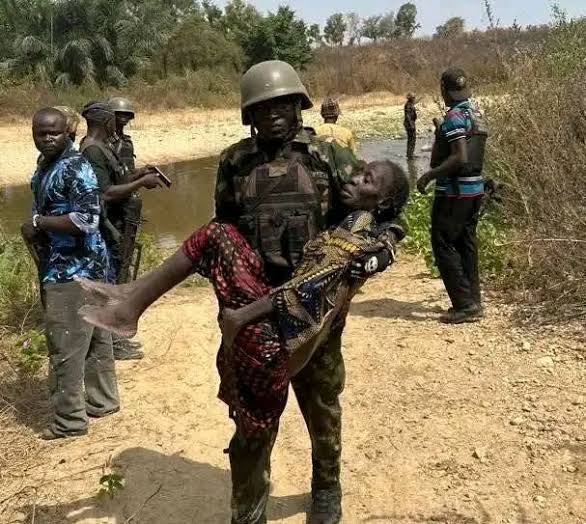
As investigations continue, the survivor’s testimony has placed a human face on the growing concern over kidnapping in Kogi and Nigeria more broadly.
The painful recollection of bleeding throughout the night illustrates the vulnerability of people held against their will and the desperate conditions they can face before being rescued or released.
For families across affected communities, the hope remains that stronger security measures will prevent others from experiencing a similar ordeal.