
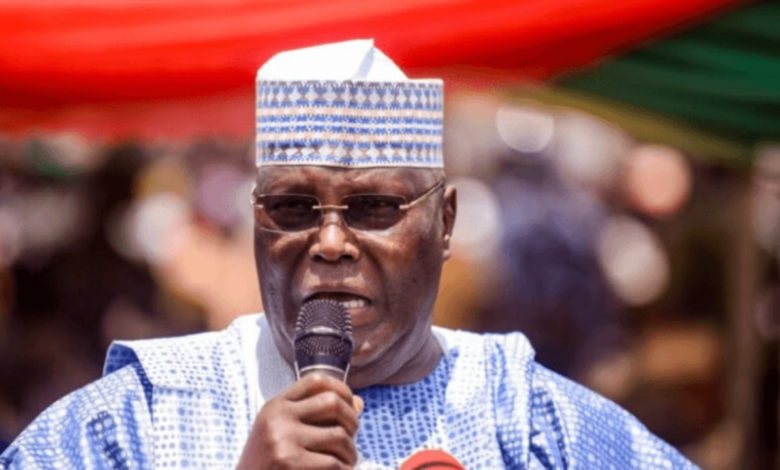
The African Democratic Congress (ADC) has reportedly called on former Kano State Governor Rabiu Musa Kwankwaso to direct his attention towards President Bola Tinubu and the economic challenges confronting Nigerians rather than focusing his criticism on former Vice President Atiku Abubakar.
The reported appeal comes amid growing political discussions over the country’s economic situation, with the rising cost of living, food prices, transportation expenses and other essential needs continuing to place pressure on households across Nigeria.
The ADC’s message to Kwankwaso has brought renewed attention to the debate over the priorities of opposition politicians and the issues they should be addressing as Nigerians look for solutions to their economic difficulties.
The party’s reported position suggests that the current economic situation deserves greater attention from political leaders, particularly those seeking to influence the country’s political direction. It also raises questions about whether political disagreements among opposition figures are taking attention away from the challenges facing ordinary citizens.
Kwankwaso remains a prominent figure in Nigerian politics, having served as governor of Kano State and as a senator. His political influence, particularly in Kano and parts of the North, has continued to make him an important voice in discussions about the country’s leadership and the future of opposition politics.
His relationship with other political figures, including Atiku Abubakar, has also remained a subject of political interest as discussions about alliances, party interests and the country’s future continue.
The ADC’s reported appeal appears to place the economic situation at the centre of the conversation, suggesting that political leaders should concentrate on the administration’s handling of the country’s challenges rather than allowing disagreements among opposition figures to dominate public debate.
For many Nigerians, the cost of living has become a major concern. Families are struggling to manage household expenses, while businesses are facing difficulties associated with operating costs, purchasing goods and maintaining customers amid changing economic conditions.
Food remains one of the most pressing issues for households, with the prices of basic items affecting the ability of many families to maintain their usual standard of living. Transportation costs have also become a concern for workers, traders, students and other Nigerians who depend on daily movement for their livelihoods.
The economic difficulties have continued to generate public debate over government policies and the measures being taken to improve living conditions. Citizens have called for practical interventions that can make essential goods more affordable, create employment opportunities and improve the purchasing power of households.
Against this backdrop, the ADC’s reported message to Kwankwaso has drawn attention to the role opposition politicians are expected to play in the national conversation.
Opposition parties are generally expected to scrutinise government policies, raise concerns about their effects on citizens and present alternative approaches to addressing national challenges. The ADC’s reported appeal appears to reinforce that expectation by urging Kwankwaso to focus on the president and the economic situation.
However, the political implications of the appeal remain tied to the broader relationship between opposition leaders and the ongoing debate about Nigeria’s future. Kwankwaso, Atiku and other prominent political figures have continued to attract public attention because of their influence and their potential roles in future political developments.
The appeal also comes at a time when political discussions are increasingly shaped by concerns about the economy and the expectations of Nigerians for improved living conditions.
For the ADC, directing attention towards Tinubu over economic hardship could provide an opportunity to highlight the concerns of citizens and challenge the government’s response to the situation. Whether Kwankwaso will respond to the appeal or alter his public position remains unclear.
As the debate continues, the economic challenges facing Nigerians are likely to remain a central issue in conversations about governance, political accountability and the country’s future.