Atiku Warns Tinubu Against Pushing Nigerians Into Economic Despair, Invokes Egypt Analogy

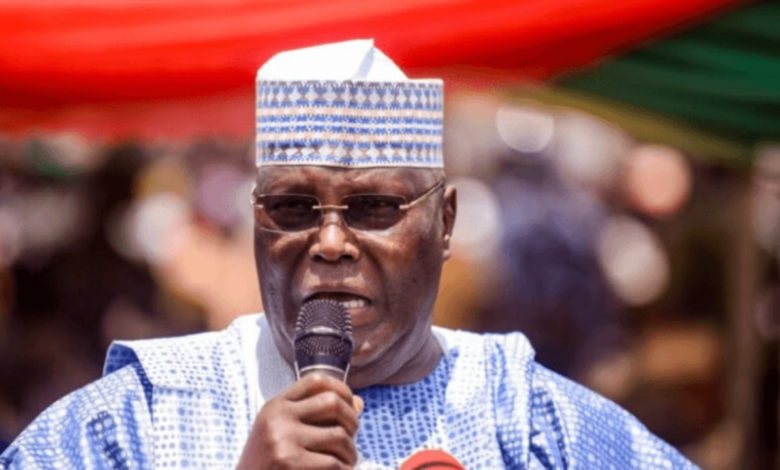
Former Vice President Atiku Abubakar has reportedly criticised President Bola Tinubu over the economic difficulties confronting Nigerians, warning against policies that could leave citizens feeling trapped in hardship and without a clear path to recovery.
Atiku’s remarks, captured in the headline comparing Nigeria to Egypt, have brought renewed attention to the ongoing debate over the cost of living, the direction of the Federal Government’s economic reforms and the growing expectations of citizens for improved living conditions.
The former vice president has remained a prominent critic of the Tinubu administration, particularly on issues relating to the economy, governance and the impact of government decisions on ordinary Nigerians.
His latest reported comments have added another dimension to the political exchanges between the two leaders, with the economic situation once again emerging as a major point of disagreement.
The comparison with Egypt appears to have been used as a political warning about the consequences of prolonged economic pressure. However, the precise context of the statement and the specific circumstances Atiku was referring to would need to be established from his full remarks.
Economic hardship remains a major political concern
Nigeria’s economic situation has continued to dominate public discussions, with households and businesses facing pressure from rising expenses and changing market conditions.
For many families, the challenge of meeting daily needs has become a central concern. Food, transportation, housing, healthcare and education expenses continue to compete for limited household resources, leaving many Nigerians struggling to maintain their previous standard of living.
The effects are also being felt by small businesses and traders, many of whom have had to adjust their operations in response to higher costs of transportation, electricity, supplies and other essential inputs.
Against this background, criticism of the Federal Government’s economic policies has remained a significant feature of political debate.
Atiku has repeatedly argued that the administration should give greater attention to the consequences of its decisions on citizens and ensure that economic reforms produce tangible improvements in people’s lives.
The reported Egypt comparison has therefore placed the question of economic recovery at the centre of another political exchange between the former vice president and Tinubu.
Atiku challenges the direction of government policies
Atiku’s criticism reflects a broader disagreement among political leaders over how Nigeria should address its economic challenges.
The Tinubu administration has defended its reform programme as necessary to address longstanding structural problems, improve public finances and create conditions for sustainable economic growth.
Supporters of the government’s approach have argued that difficult policy decisions may be required to address problems that have accumulated over several years.
However, critics have maintained that reforms must be accompanied by effective measures to protect vulnerable households and prevent the burden of economic adjustment from falling disproportionately on ordinary citizens.
Atiku’s reported remarks appear to reinforce that criticism, drawing attention to the need for government policies that improve affordability, employment opportunities and the purchasing power of Nigerians.
The disagreement also highlights a familiar question in the country’s economic debate: how can the government pursue long-term reforms while ensuring that citizens can cope with the immediate costs of those policies?
The political significance of the Egypt comparison
The reference to Egypt has attracted attention because it introduces an international comparison into the debate over Nigeria’s economic direction.
Political comparisons between countries are often used to warn about possible consequences of government decisions, but the economic circumstances of different nations can vary significantly.
Without the complete context of Atiku’s statement, it would be premature to conclude that he was referring to a particular Egyptian policy, historical event or economic development.
Nevertheless, the headline has drawn attention to the broader concern that economic hardship could deepen public frustration if citizens do not experience meaningful improvements in their living conditions.
For the opposition, such concerns provide an opportunity to challenge the government’s policies and demand stronger accountability over the results of its economic programme.
For the administration, the challenge remains to demonstrate that its decisions are delivering measurable benefits and that the country is moving towards greater economic stability.
2027 political debate gathers momentum
The exchange also comes as political discussions ahead of the 2027 general elections continue to intensify.
Atiku remains an influential opposition figure, and his criticism of the president is likely to feature in wider conversations about the economy, governance and the country’s future leadership.
Economic hardship is expected to remain a major issue for political parties and candidates seeking the support of Nigerians.
Voters are likely to pay close attention to proposals addressing the cost of living, job creation, access to basic services and the ability of households to meet their daily needs.
The debate between Atiku and Tinubu therefore extends beyond personal political disagreements. It reflects competing arguments over the government’s economic direction and the kind of policies Nigerians expect from those seeking public office.
As political exchanges continue, the central concern for many citizens remains whether the economy can improve in ways that are felt in their homes, businesses and communities.
The latest reported remarks from Atiku have renewed that conversation, placing pressure on the administration to explain its economic priorities and demonstrate how its reforms will translate into better living conditions for Nigerians.