Wike Woos Fubara’s Supporters, Seeks Strong Rivers Backing for Tinubu in 2027


The Minister of the Federal Capital Territory, Nyesom Wike, has intensified efforts to bring supporters of Rivers State Governor Siminalayi Fubara into a renewed political alliance, urging them to mobilise votes for President Bola Tinubu ahead of the 2027 general elections.
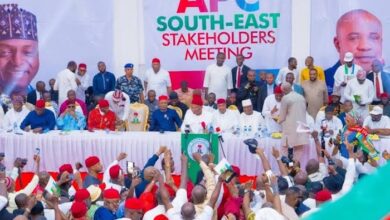
Wike made the appeal during a meeting with Fubara’s supporters and youth leaders in Port Harcourt, where he called for political reconciliation and greater cooperation among groups that were previously divided by the prolonged crisis in Rivers State.
The minister reportedly argued that Rivers State could gain greater political influence and attract more federal appointments and development projects if it delivered a strong electoral performance for Tinubu.
He encouraged the governor’s supporters to put past disagreements aside and work with the emerging political arrangement, stressing that the state’s interests should take priority over personal and factional differences.
The meeting represents another significant development in the political relationship between Wike and Fubara, whose disagreement had previously divided political leaders, lawmakers and grassroots supporters across Rivers State.
Wike’s appeal to Fubara’s political supporters
During the engagement, Wike reportedly urged the supporters to concentrate on building a political structure capable of delivering strong electoral support for Tinubu.
He said Rivers State could strengthen its position in national politics by recording a high number of votes for the president, suggesting that such support could improve the state’s chances of receiving additional federal appointments and infrastructure projects.
The minister’s appeal was directed particularly at youth leaders and grassroots political organisers, whose involvement could be crucial in mobilising voters across local government areas.
Wike also made it clear that his political priorities were no longer centred on returning to the Rivers State governorship, but on ensuring that the state remained influential in decisions taken at the federal level.
His remarks have placed renewed attention on the role of Rivers State in the political calculations ahead of the 2027 elections, especially as competing groups seek to consolidate their influence.
Renewed efforts to bring Wike and Fubara’s camps together
The latest meeting comes against the background of years of political tension between Wike and Fubara.
The disagreement began after Fubara assumed office as governor in 2023 and eventually spread to the Rivers State House of Assembly, creating divisions among lawmakers and supporters of both political leaders.
The crisis became one of the most prominent political disputes in the country, with disagreements over the control of the state’s political structure and the relationship between the governor and members of the legislature.
The confrontation later escalated into a major institutional crisis, prompting interventions aimed at restoring stability and preventing further political unrest.
Although the two camps have since moved towards reconciliation, bringing their supporters together has remained an important part of the process.
Wike’s recent engagements with Fubara and members of his political camp have therefore been viewed as efforts to strengthen the new relationship and establish a more coordinated political structure ahead of the next elections.
Supporters signal willingness to cooperate
At the meeting, former Port Harcourt Mayor Ezebunwo Ichemati reportedly spoke on behalf of Fubara’s supporters, expressing their readiness to work with Wike and other members of the Rainbow Coalition.
Ichemati described the gathering as an important step towards restoring unity among political groups that had previously been divided.
He reportedly likened the dispute to a disagreement within a family, arguing that reconciliation should allow members of the different camps to work together again.
He also acknowledged Wike’s influence in Rivers State politics and credited both the minister and Fubara with helping to bring the opposing groups together.
The supporters reportedly pledged to mobilise their grassroots networks, particularly young people who had played active roles during the political crisis, in support of the coalition’s candidates.
Their position suggests that some members of Fubara’s political base are prepared to participate in the emerging alliance, although the extent of support across the governor’s wider political structure remains to be established.
Tinubu’s 2027 re-election bid at the centre of discussions
The meeting also brought the president’s re-election campaign into sharper focus, with Wike urging political actors in Rivers State to unite behind Tinubu.
The minister reportedly argued that delivering a strong electoral result for the president could provide the state with greater opportunities to influence federal decisions.
His appeal reflects the growing importance of political alliances as parties and influential figures begin preparing for the 2027 general elections.
For Rivers State, the discussions could have implications for how political support is organised across local government areas, particularly where previous divisions created competing structures.
Wike’s emphasis on electoral mobilisation also suggests that the reconciliation effort is intended to move beyond symbolic gestures and translate into coordinated political activity.
Rivers politics faces another test
Despite the renewed engagement, questions remain about how the emerging alliance will accommodate the different interests within Wike’s and Fubara’s political camps.
The prolonged dispute left deep divisions among political supporters, and the process of bringing them together may require more than meetings between prominent leaders.
There are also political considerations surrounding the 2027 governorship election and the selection of candidates under the coalition’s emerging arrangement.
Fubara has reportedly endorsed Kingsley Chinda as the preferred governorship candidate of the political bloc, while the reconciliation process has continued to seek cooperation from supporters who previously backed the governor.
The latest meeting therefore comes at a critical time for the political actors involved, as they attempt to establish a common direction while preparing for the next election cycle.
Whether the renewed alliance will produce lasting unity or face further disagreements remains to be seen.
For now, Wike’s engagement with Fubara’s supporters marks another attempt to consolidate political reconciliation in Rivers State, with the 2027 elections and Tinubu’s re-election campaign emerging as major priorities.