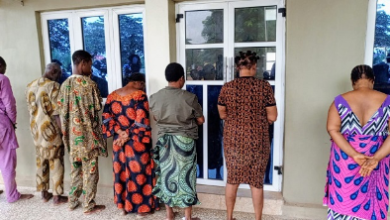


A kidnap victim rescued in Bayelsa State has opened up about the frightening experience endured while in the hands of his abductors, describing the period in captivity as extremely difficult and traumatic.
The victim, whose identity was not immediately disclosed, spoke after regaining his freedom and reuniting with his family.
Recounting his experience, he described the period of captivity as “very terrible”, explaining that being held against his will left him constantly afraid for his life.
The victim said the ordeal began when the kidnappers intercepted him and took him away from a familiar environment.
He was subsequently taken into an isolated location where the abductors kept him under close watch.
According to him, the uncertainty surrounding his safety was one of the most frightening aspects of the experience.
He said he could not tell what the kidnappers intended to do to him or when he would regain his freedom.
The victim also described the psychological pressure of being separated from his family and loved ones.
During his captivity, his relatives were left deeply worried about his whereabouts and condition.
The rescue eventually brought an end to the ordeal, but the victim said the experience would remain difficult to forget.
Kidnapping has remained a major security concern in parts of Bayelsa and other states in the Niger Delta, where waterways, creeks, forests and remote communities can provide hiding places for criminal groups.
The difficult terrain can make it challenging for security agencies to track kidnappers and locate victims.
In many cases, criminals take advantage of isolated roads and waterways to move their victims away from populated areas.
The rescue of the Bayelsa victim therefore represents an important relief for his family and community.
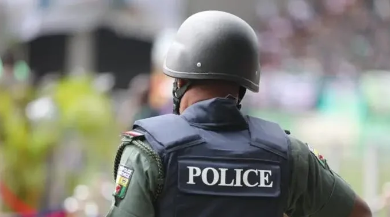
His safe recovery also highlights the importance of coordinated security operations and intelligence gathering in tackling kidnapping.
Following his rescue, the victim was taken to safety and reunited with people close to him.
He is expected to receive medical and emotional support as he begins the process of recovering from the experience.
Victims of kidnapping can experience significant psychological distress even after their physical freedom has been restored.
Fear, anxiety, difficulty sleeping and emotional trauma may continue for some time after a person has escaped or been rescued.
Family members also often require support because they may have experienced intense fear and uncertainty throughout the period of captivity.
For the rescued victim, being able to speak about what happened represents an important step in confronting the experience.
His description of the ordeal as “very terrible” reflects the difficult conditions that many kidnapping victims endure in captivity.
The incident has also renewed calls for stronger security measures across vulnerable areas of Bayelsa State.
Residents want security agencies to strengthen patrols around major roads, waterways and communities considered vulnerable to criminal attacks.
Improved intelligence gathering is also considered essential because early information can help security personnel identify suspicious movements before criminals have the opportunity to abduct more people.
Community cooperation remains another important part of the security response.
Residents who notice unusual movements or suspicious activities can provide information to security agencies while avoiding direct confrontation with suspected criminals.
Traditional rulers, youth organisations and community leaders can also help improve communication between residents and security personnel.
The authorities are expected to continue efforts to identify and apprehend those responsible for the abduction.
Rescuing victims is only one part of the response to kidnapping. Bringing the perpetrators to justice is also necessary to discourage similar attacks.
Investigators may also examine how the kidnappers selected their victim, where the abduction took place and how they managed to move the victim into captivity.
Such information could help security agencies understand the methods used by the criminals and strengthen future operations.
For the victim and his family, however, the immediate priority is recovery.
After experiencing such a frightening ordeal, returning to normal life may take time.
The victim’s account serves as another reminder of the human cost of kidnapping.
Behind every reported abduction is a person taken away from family, work and normal life, while relatives are left to deal with fear and uncertainty.
The successful rescue has brought relief, but it has also highlighted the need for sustained efforts to prevent other residents from experiencing similar trauma.
As the rescued victim begins the process of rebuilding his life, security agencies face the responsibility of ensuring that the criminals behind the incident are brought to justice and that vulnerable communities across Bayelsa receive stronger protection.