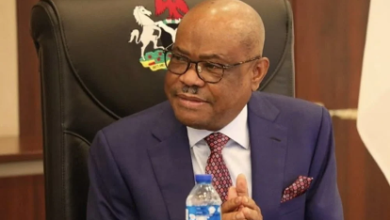
Edo LG Chairman Faces Backlash Over Alleged Directive to Motor Park Drivers to Wear APC Caps


The Chairman of Esan West Local Government Area of Edo State, Blessing Albert Ebhodaghe, has come under criticism following an alleged directive requiring commercial drivers operating from motor parks in the council to wear caps or other materials associated with the All Progressives Congress.
The directive was reportedly issued during a visit to Onitsha Park, where the council chairman addressed drivers and park officials about political support for President Bola Ahmed Tinubu ahead of the 2027 presidential election.
In a video circulating online, Ebhodaghe linked his visit to Governor Monday Okpebholo’s political target of securing 2.5 million votes for Tinubu from Edo State in the next presidential election.
The chairman reportedly told the drivers that they were expected to support the governor and the President, while warning against the use of caps or other political materials associated with opposition parties.
He also indicated that drivers who failed to comply could face restrictions relating to their access to the motor park.
The remarks have triggered criticism from civic groups and other observers, who questioned whether a public motor park should be used as a platform for enforcing political loyalty.
The controversy has also raised questions about the distinction between political party mobilisation and the responsibilities of elected local government officials.
Ebhodaghe reportedly explained his position by linking political support to the state government’s development projects, particularly road construction.
He argued that improved roads directly affect commercial drivers because better roads make it easier for them to travel, conduct business and earn their daily income.
The chairman used the argument to encourage the drivers to support the administration and its political objectives.
However, the subsequent directive concerning the wearing of political caps became the most controversial aspect of the encounter.
The chairman reportedly said he would personally monitor compliance and use his phone to record or identify drivers who failed to follow the instruction.
He also indicated that he could contact the leadership of the park where a driver was seen wearing materials associated with another political party.
The development has prompted calls for clarification from civic group MonITNG, which questioned whether the directive was authorised by the state government.
The group argued that motor parks are places where citizens conduct their businesses and should not be turned into environments where people are required to demonstrate political allegiance as a condition for accessing their workplace.
It also called on Governor Okpebholo and the council chairman to clarify the matter publicly.
The group said that if the directive was not authorised by the state government, it should be rejected and steps should be taken to ensure residents are not denied access to public facilities because of their political choices or clothing.
The controversy comes against the backdrop of an increasingly active political environment in Edo State ahead of the 2027 general election.
Governor Okpebholo has publicly set a target of securing 2.5 million votes for President Tinubu in Edo, and newly elected local government chairmen have been urged to strengthen political structures at the grassroots.
The governor inaugurated the newly elected chairmen and vice chairmen of Edo’s 18 local government areas on September 4, 2026, as the new councils began their tenure.
Political mobilisation at the local government level has since become an important part of the administration’s preparations for the 2027 election.
The latest controversy has nevertheless raised a separate question about how far government officials can go when seeking political support.
Political parties have the right to organise supporters and promote their candidates, but criticism has emerged when government facilities or official positions are allegedly used to pressure citizens into displaying party symbols.
For commercial drivers, political affiliation can be a personal choice, and the allegation that access to a motor park could depend on what a driver wears has therefore attracted concern.
The issue is particularly sensitive because motor parks are workplaces for drivers, transport operators, traders and other workers who depend on daily activity to earn a living.
Any restriction on access could potentially affect their income and ability to operate.
The allegation also comes amid previous political directives in Edo involving the wearing of caps associated with Tinubu.
In 2025, the Edo chapter of the Association of Local Governments of Nigeria directed local government officials to wear customised caps bearing Tinubu’s insignia during official meetings.
The earlier directive applied to officials including supervisory councillors, senior special assistants and special assistants and was presented as a symbolic demonstration of political support for the President.
The latest incident involving motor park drivers has therefore revived the broader debate about the use of political symbols by public officials and government workers.
The current controversy, however, involves commercial drivers rather than government employees, making questions about political choice and access to public facilities particularly prominent.
It remains unclear whether the state government authorised or endorsed Ebhodaghe’s specific instruction to drivers.
No public statement from Governor Okpebholo confirming that he authorised the motor park directive was identified in the reports reviewed.
The council chairman’s remarks, as circulated in the video, appear to connect his actions to the broader political objective of supporting Tinubu in 2027, but that does not by itself establish that the governor personally ordered the specific instruction.
The matter is therefore likely to continue generating debate unless the council or state government provides a formal clarification.
The controversy also illustrates how the 2027 election is already influencing political activities at the grassroots.
With local government officials playing increasingly visible roles in mobilisation efforts, interactions between government administration and party politics are likely to attract greater public scrutiny.
For residents, the central concern is whether government institutions and public facilities will continue to remain accessible to citizens regardless of their political affiliations.
For political parties, the challenge is to mobilise supporters while respecting the rights of citizens who may support different candidates or choose not to participate in partisan activities.
As the 2027 election draws closer, the debate over the alleged directive in Esan West is likely to form part of a wider national conversation about political mobilisation, freedom of expression and the responsibilities of elected officials.
For now, the specific allegation that drivers could be restricted from accessing motor parks because of the political caps they wear remains at the centre of the controversy, while calls for clarification from the council chairman and the state government continue.