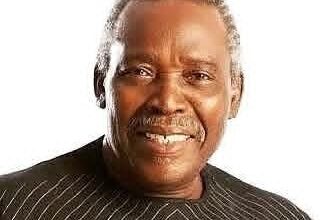

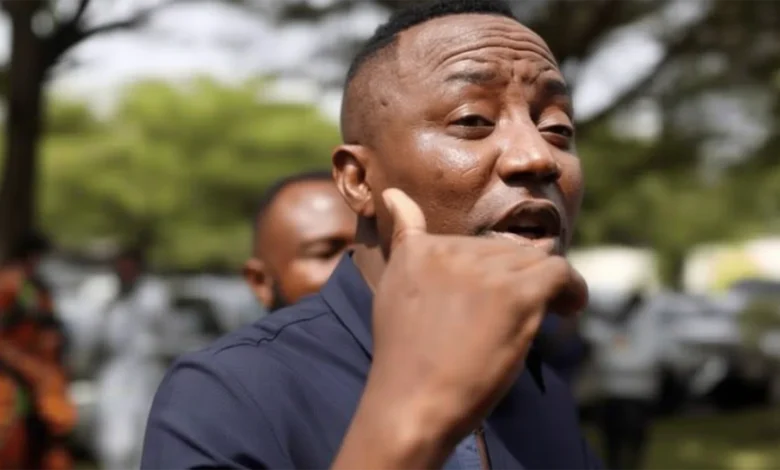
A prominent human rights lawyer has called on the court to immediately vacate the bench warrant issued against activist and former presidential candidate Omoyele Sowore, arguing that the order raises serious concerns about due process and the protection of fundamental rights.
The appeal was made during proceedings in Abuja, where legal representatives and observers gathered to discuss the circumstances surrounding the warrant and its implications for the administration of justice.
According to the lawyer, the court should exercise caution in matters involving civil liberties and ensure that all parties are given a fair opportunity to present their cases before any coercive measures are enforced.
He argued that the issuance of a bench warrant should remain a measure of last resort and not be deployed in situations where there are unresolved legal questions or ongoing disputes regarding procedure.
“The interest of justice is best served when the court allows every party to be heard fairly and without prejudice,” the lawyer reportedly told the court.
The case has attracted widespread public attention due to Sowore’s prominence as a political activist, publisher, and outspoken critic of successive governments.
Over the years, Sowore has been involved in numerous legal battles arising from his activism and political engagements. His supporters argue that his frequent encounters with the legal system are linked to his outspoken views, while critics insist that public figures must remain accountable to the law like every other citizen.
The latest development has reignited debate over the relationship between activism, freedom of expression, and the justice system in Nigeria.
Civil society groups and human rights advocates have weighed in on the matter, with some urging the judiciary to ensure that constitutional rights are protected at all times.
Others have called for restraint from all parties involved, emphasizing the importance of respecting court processes and allowing the legal system to operate independently.
Legal analysts say the outcome of the application to vacate the warrant could have broader implications, particularly in cases involving political activists and public figures.
They argue that the courts are often required to strike a delicate balance between enforcing compliance with judicial orders and safeguarding individual freedoms guaranteed under the Constitution.
Meanwhile, supporters of Sowore gathered outside the court premises, expressing hope that the matter would be resolved swiftly and peacefully.
Some carried placards calling for justice and respect for civil liberties, while others insisted that disagreements within a democracy should be settled through dialogue and lawful processes.
As proceedings continue, attention remains fixed on the court’s next move.
Whether the bench warrant will be set aside or upheld remains to be seen, but the case has once again highlighted the intersection of law, politics, and activism in Nigeria.
For now, both supporters and critics of Sowore await the court’s decision, aware that the ruling could shape not only the immediate dispute but also future conversations about civil rights and judicial authority in the country.