APC Questions Atiku’s Leadership Credentials, Says Unpaid Workers Raise Concerns About Ability to Govern Nigeria

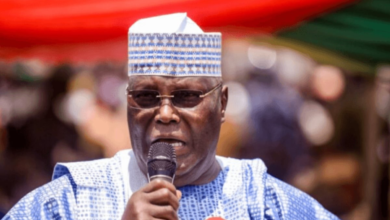
The All Progressives Congress (APC) has questioned the leadership credentials of former Vice President Atiku Abubakar, arguing that the handling of workers’ welfare and outstanding salaries should be an important consideration when assessing anyone seeking to govern Nigeria.
The criticism has added another dimension to the growing political exchanges involving opposition figures and the ruling party as political conversations increasingly focus on leadership, accountability, economic management and the welfare of ordinary Nigerians.
The APC’s remarks centred on the issue of unpaid cleaners and other workers, with the party arguing that the treatment of employees reflects the priorities and administrative capacity of those entrusted with leadership responsibilities.
The controversy has also renewed discussions about the responsibilities of political leaders towards workers, particularly those who perform essential but often overlooked duties in offices, public institutions and private establishments.
Cleaners, security personnel, drivers, administrative assistants and other support workers play important roles in keeping organisations functioning. Despite the importance of their work, some employees in different sectors face challenges involving delayed salaries, poor working conditions and limited access to employment benefits.
For many Nigerians, the issue of unpaid wages is particularly sensitive because of the rising cost of food, transportation, accommodation, healthcare and other basic necessities. When salaries are delayed, workers can struggle to meet their household expenses, pay school fees and support dependants.
The APC’s criticism of Atiku therefore places workers’ welfare at the centre of a wider political argument about what effective leadership should look like. Beyond campaign promises and public speeches, Nigerians often judge political leaders by their records in office, their management of public resources and their ability to address the needs of the people they serve.
Atiku Abubakar, a former vice president of Nigeria, remains a prominent figure in the country’s opposition politics. Over the years, he has contested for the presidency several times and presented himself as a candidate capable of addressing Nigeria’s economic and governance challenges.
His political activities and policy positions have continued to attract public attention, especially as opposition figures discuss the future of Nigeria’s political landscape and possible alternatives to the ruling party.
The latest criticism highlights how issues that may appear small at first can become part of larger arguments about national leadership. The payment of cleaners, for instance, may concern a relatively limited number of workers in a particular organisation, but the underlying questions about accountability, financial discipline and employee protection apply across many sectors.
A government’s ability to pay workers on time is widely regarded as an important part of effective administration. Public institutions depend on employees at every level, and consistent payment helps maintain morale, productivity and confidence in management. Where salary arrears occur, authorities are generally expected to explain the reasons, establish a payment plan and ensure that affected employees are not left without clear information.
However, the issue of unpaid workers also requires careful examination of the specific circumstances involved. Questions such as who employed the workers, which organisation was responsible for their salaries, how long payments were delayed and what steps were taken to resolve the matter are important in determining responsibility.
Without clear information about those circumstances, it is difficult to draw broad conclusions about an individual’s capacity to govern an entire country solely from a dispute over workers’ payments. Nevertheless, the issue remains a useful starting point for examining how political leaders approach employee welfare and financial accountability.
Nigeria faces several major economic and social challenges, including unemployment, inflation, poverty, infrastructure gaps and pressure on household incomes. These challenges have made citizens increasingly attentive to the practical consequences of political decisions and the quality of public administration.
For workers who earn modest incomes, regular salary payments can make the difference between meeting basic needs and falling into debt. Many low-income employees depend almost entirely on their monthly wages, leaving them with little financial protection when payments are delayed.
The situation has also encouraged broader conversations about the need for stronger labour protections and better enforcement of employment agreements. Workers should know who is responsible for paying their salaries, what benefits they are entitled to and which procedures are available when employers fail to meet their obligations.
Political parties frequently use such issues to challenge their opponents and present themselves as better alternatives. However, Nigerians also have a responsibility to examine the records and proposals of all political parties rather than relying exclusively on accusations made during political exchanges.
For the APC, the criticism provides an opportunity to question the opposition’s claims about leadership and governance. For opposition figures, such controversies create pressure to explain their positions and demonstrate how their records align with their promises to the electorate.
Ultimately, the debate extends beyond Atiku Abubakar or the APC. It raises a fundamental question about the standards Nigerians should demand from anyone seeking public office: whether they can demonstrate financial responsibility, protect workers’ rights and deliver on commitments made to the people they lead.
As political discussions continue, citizens are likely to pay close attention to proposals on job creation, minimum wages, public-sector reforms and measures to improve the standard of living. These issues affect millions of households and remain central to conversations about Nigeria’s future.
For many workers, leadership is not measured only by political popularity or the ability to win elections. It is also reflected in whether salaries are paid when due, whether public funds are properly managed and whether people performing essential jobs are treated with dignity.
The APC’s remarks have therefore brought workers’ welfare into the broader political conversation, underscoring the importance of accountability and responsible administration. As Nigerians assess political leaders and their competing claims, the details behind such allegations, the evidence available and the responses of those concerned will remain important in reaching an informed judgment.
#APC #AtikuAbubakar #ADC # lll #Sonogist