
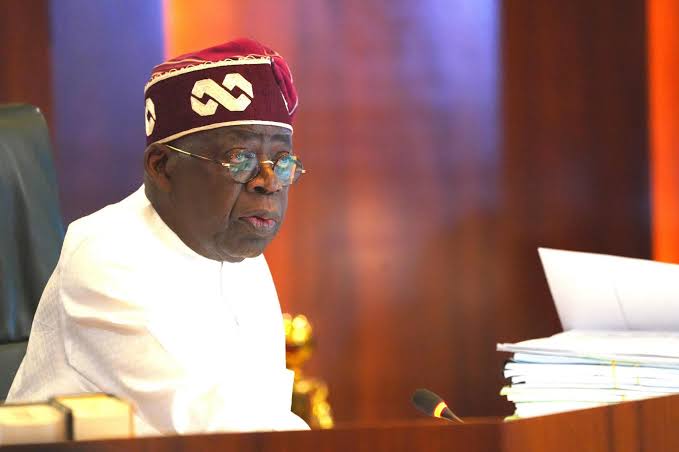
President Bola Ahmed Tinubu has approved the immediate release of ₦10 billion in emergency intervention funding as Nigeria intensifies efforts to prevent the possible importation and spread of Ebola Virus Disease (EVD) following renewed outbreaks reported in parts of East and Central Africa. The approval was announced on June 9, 2026, alongside the establishment of a Presidential Task Force on Ebola Virus Disease Preparedness and Emerging Public Health Threats.
According to the Presidency, the intervention is aimed at strengthening Nigeria’s preparedness capacity, improving disease surveillance systems, enhancing emergency response operations, and ensuring that relevant health institutions have the resources required to respond rapidly should any suspected case emerge within the country. The funds will primarily support the activities of the Nigeria Centre for Disease Control and Prevention (NCDC) and other agencies involved in public health management.
The newly established Presidential Task Force will be chaired by the President’s Chief of Staff, Femi Gbajabiamila, and will include representatives from key ministries, departments, agencies, and state governments. The committee was constituted following a high-level stakeholders’ meeting convened to review Nigeria’s readiness against potential Ebola threats following fresh outbreaks in the Democratic Republic of the Congo and Uganda.
Officials disclosed that the government has directed all states with international airports and major border corridors to immediately submit detailed preparedness plans, funding requirements, and intervention strategies for coordinated implementation. Authorities are also expected to strengthen screening procedures at international entry points, including airports, seaports, and land borders.
Among the measures approved are enhanced temperature screening for arriving passengers, increased monitoring of travellers arriving from high-risk routes, activation of isolation and referral centres at major international airports, and the deployment of additional health personnel to strategic locations across the country. Health declaration systems for travellers from designated high-risk countries are also expected to be expanded as part of the preparedness strategy.
The Federal Government stressed that the intervention should not be interpreted as confirmation of an Ebola outbreak in Nigeria. Health authorities have repeatedly maintained that there are currently no confirmed Ebola cases within the country. The NCDC recently urged Nigerians to disregard false reports circulating online while assuring citizens that surveillance and preparedness activities have been intensified nationwide.
Government officials say the ₦10 billion intervention demonstrates the administration’s determination to avoid a repeat of previous public health emergencies by investing heavily in prevention rather than waiting for an outbreak to occur. They noted that lessons learned from past disease outbreaks, including the 2014 Ebola incident, have influenced the current strategy focused on early detection, rapid response, and coordinated action among federal and state institutions.
As health agencies continue monitoring developments across Africa, the Presidential Task Force is expected to begin immediate implementation of preparedness measures while working closely with aviation, immigration, security, and diplomatic authorities to reduce the risk of cross-border transmission. The government has assured Nigerians that public safety remains a priority and that all necessary resources will be deployed to protect the country from emerging health threats.