Tinubu to Address Nigerians October 1 as FG Plans Low-Key 66th Independence Celebration

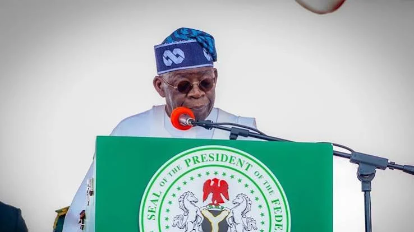
President Bola Ahmed Tinubu is scheduled to address Nigerians in a nationwide broadcast on October 1, 2026, as the Federal Government prepares to mark the country’s 66th Independence Anniversary with a low-key programme.
The announcement was made following the inauguration of an Inter-Ministerial Committee established to coordinate activities for this year’s anniversary.
The committee, chaired by the Secretary to the Government of the Federation, George Akume, has been tasked with organising and overseeing the approved programmes leading up to the national celebration.
The Federal Government said the anniversary would provide an opportunity for Nigerians to reflect on the sacrifices and contributions of the men and women who played important roles in the struggle for independence from British colonial rule.
Nigeria gained independence on October 1, 1960, making the 2026 celebration the 66th anniversary of the country’s independence.
While the government plans to commemorate the milestone, officials have directed that this year’s activities should remain low-key.
The decision comes against the background of the economic and social challenges facing the country, with the government also expected to use the anniversary to highlight some of its ongoing reforms and achievements.
The programme will begin on September 24 with a World Press Conference designed to provide information about the anniversary and the activities planned around it.
This will be followed by a Juma’at prayer service on September 25.
A Christian thanksgiving service is scheduled for September 27, giving religious leaders and citizens an opportunity to reflect on the country’s journey since independence.
An Independence Day Public Lecture will then take place on September 30, one day before the main anniversary.
The activities will culminate on October 1 with President Tinubu’s nationwide broadcast to Nigerians.
The President’s address is expected to provide an opportunity for him to reflect on Nigeria’s journey since independence while also discussing the direction of the country and the administration’s policies.
Although the specific contents of the broadcast have not been announced, previous Independence Day addresses by Nigerian presidents have traditionally focused on national development, security, the economy, governance and the challenges facing citizens.
The 2026 anniversary comes at a significant period for the Tinubu administration as it continues to implement economic and institutional reforms.
The government has repeatedly defended its policies as necessary measures intended to reposition the economy and create conditions for long-term growth.
However, the reforms have also generated considerable debate because of their effects on the cost of living and household finances.
The government is therefore expected to use the anniversary programme to communicate its assessment of the country’s progress and outline its priorities going forward.
The Secretary to the Government of the Federation said the anniversary should not only be viewed as a ceremonial occasion but also as a period for reflection on the country’s history and the sacrifices made by earlier generations.
He noted that the progress Nigeria has recorded since 1960 was built on the foundation laid by nationalists who worked towards independence and the development of the country.
The government also intends to use the occasion to highlight what it considers achievements recorded under the current administration.
Officials said the celebration would provide an opportunity to showcase ongoing efforts aimed at repositioning Nigeria through reforms.
The emphasis on a low-key celebration means the government is not planning an elaborate programme of festivities comparable to some previous national celebrations.
Instead, attention will focus on the scheduled religious services, public lecture and presidential broadcast.
The Inter-Ministerial Committee includes several senior members of the Federal Government and security establishment.
Among them are the Minister of Finance and Coordinating Minister of the Economy, Taiwo Oyedele; Minister of Information and National Orientation, Mohammed Idris; Minister of Interior, Olubunmi Tunji-Ojo; Minister of Foreign Affairs, Bianca Odumegwu-Ojukwu; and Minister of the Federal Capital Territory, Nyesom Wike.
The Minister of Budget and Economic Planning, Abubakar Atiku Bagudu, is also a member, alongside National Security Adviser Nuhu Ribadu.
Presidential advisers and senior officials from the State House, police, Department of State Services and Guards Brigade are also represented on the committee.
The inclusion of security officials reflects the importance of ensuring adequate coordination around the anniversary activities.
The committee has been given broad responsibilities, including planning and executing approved events, bringing in relevant organisations or individuals where necessary and documenting the activities for future reference.
It is also expected to handle any additional responsibilities required to ensure that the anniversary programme is successfully implemented.
The committee was directed to work with urgency because of the limited time remaining before October 1.
The announcement of the President’s broadcast is likely to make his Independence Day address one of the most closely watched elements of the programme.
Millions of Nigerians traditionally follow the President’s Independence Day message for an assessment of the country’s situation and an indication of the administration’s priorities.
For the Tinubu administration, the address will come at a time when national discussions remain focused on economic reforms, inflation, employment, security, infrastructure and the welfare of citizens.
The President may also use the occasion to speak about national unity and the importance of collective responsibility in addressing Nigeria’s challenges.
The anniversary itself provides an opportunity to look back at the country’s six decades of nationhood.
Since independence in 1960, Nigeria has experienced military rule, democratic transitions, civil conflict, economic crises and periods of significant growth.
The country has also expanded its educational institutions, developed major infrastructure and built a large and diverse economy, although substantial challenges remain.
The anniversary therefore provides both an opportunity to celebrate national achievements and a moment for citizens to assess how far the country has moved towards the aspirations of its founding generation.
For many Nigerians, the most important question surrounding the anniversary will remain how national progress translates into improved living conditions.
Issues such as electricity supply, food prices, employment, healthcare, education, security and access to economic opportunities continue to shape public discussions.
The government’s decision to keep the celebration low-key means the focus may be placed more heavily on reflection and the President’s message rather than elaborate ceremonies.
The scheduled public lecture on September 30 is also expected to provide a platform for discussion of Nigeria’s history, development and future direction.
Religious activities on September 25 and 27 will similarly provide opportunities for prayers and thanksgiving as Nigerians prepare to mark another year of independence.
The Federal Government has not indicated that the low-key programme diminishes the importance of the anniversary.
Instead, officials have framed the celebration as an opportunity to honour the past while drawing attention to the work required to build the country’s future.
As preparations continue, the Inter-Ministerial Committee is expected to finalise arrangements for the various events and ensure coordination among the participating ministries, agencies and security bodies.
The programme will officially culminate with Tinubu’s nationwide broadcast on October 1.
Until then, attention will remain focused on the preparations and the messages expected from government officials during the various events.
Nigeria’s 66th Independence Anniversary will ultimately provide another opportunity for citizens to reflect on the country’s journey since 1960, remember those who contributed to its independence and consider the challenges that remain ahead.
For the Federal Government, the celebration will also serve as a platform to communicate its assessment of the country’s progress and ongoing reforms.
For Nigerians, the President’s October 1 address will be an opportunity to hear directly from the country’s leader as the nation enters another year of independence.