Africa’s Ongoing Battle Against Deadly Viral Outbreaks: Lessons From the Ebola Crisis


African nations continue to strengthen their public health systems years after a series of devastating Ebola outbreaks exposed vulnerabilities in healthcare infrastructure across the continent.
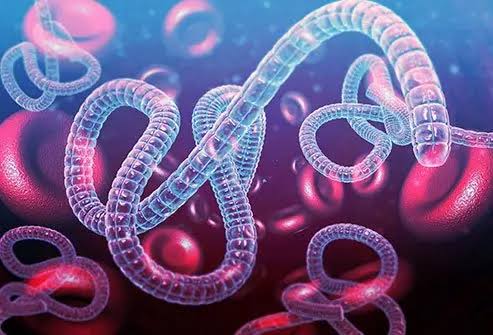
Ebola Virus Disease (EVD), one of the world’s deadliest infectious diseases, has repeatedly challenged health authorities in several African countries since it was first identified in 1976 near the Ebola River in what is now the Democratic Republic of the Congo.
The most devastating outbreak in history occurred between December 2013 and June 2016, when the virus spread rapidly across West Africa, particularly affecting Guinea, Liberia, and Sierra Leone. The epidemic resulted in more than 28,000 reported cases and over 11,000 deaths, according to international health agencies.
Health experts described the outbreak as an unprecedented public health emergency that overwhelmed hospitals, disrupted economies, and left thousands of families grieving the loss of loved ones.
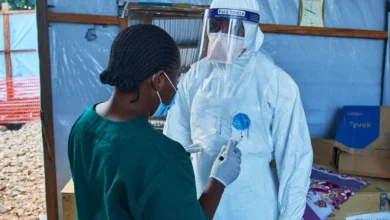
During the crisis, frontline health workers faced enormous risks while treating infected patients. Hundreds of doctors, nurses, laboratory technicians, and support staff lost their lives after contracting the virus while carrying out their duties.
International organizations, including the World Health Organization, the African Union, and various humanitarian agencies, mobilized resources to assist affected countries. Emergency treatment centers were established, public awareness campaigns were launched, and surveillance systems were expanded to track new infections.
The outbreak highlighted the importance of rapid response mechanisms, disease surveillance, and community engagement in controlling infectious diseases. Public health officials emphasized that misinformation, fear, and distrust initially complicated efforts to contain the virus.
In the years that followed, additional outbreaks were recorded in countries including the Democratic Republic of the Congo and Uganda. However, improved preparedness and advancements in medical research enabled authorities to respond more effectively.
One of the most significant developments was the introduction of Ebola vaccines and improved treatment protocols. Medical researchers and public health experts hailed these innovations as major breakthroughs in the fight against the disease.
Governments across Africa have since invested in strengthening healthcare systems, training disease surveillance personnel, and improving emergency response capabilities. Border screening measures, laboratory networks, and public health education programs have also been expanded to reduce the risk of future outbreaks.
Experts warn, however, that the threat of emerging infectious diseases remains a global concern. Population growth, increased movement of people, environmental changes, and human interaction with wildlife continue to create conditions that can facilitate the spread of zoonotic diseases.
Public health officials stress that maintaining strong healthcare infrastructure, investing in research, and fostering international cooperation remain critical to preventing future epidemics.
Today, the Ebola crisis is widely regarded as a turning point in Africa’s public health history. While the outbreaks caused immense suffering, they also accelerated reforms that have strengthened disease detection and response systems across the continent.
As African nations continue working to improve health security, the lessons learned from Ebola remain a powerful reminder of the importance of preparedness, collaboration, and swift action in protecting lives during public health emergencies.
Economic and Social Impact of the Ebola Crisis
Beyond the tragic loss of lives, Ebola outbreaks left a lasting impact on the economies and social structures of affected nations. During the height of the West African epidemic between 2014 and 2016, businesses closed, schools suspended operations, and international travel restrictions affected trade and tourism across the region.
Countries such as Guinea, Liberia, and Sierra Leone experienced significant economic setbacks as investors withdrew projects and commercial activities slowed dramatically. Agricultural production declined in many communities because farmers were unable to work normally due to quarantine measures and movement restrictions.
The outbreak also created thousands of orphaned children after many families lost parents and guardians to the disease. Social workers and humanitarian organizations were forced to establish emergency support systems to care for vulnerable children and displaced families.
Healthcare systems suffered immense pressure as resources were diverted toward controlling the outbreak. Routine medical services, including maternal care, immunization programs, and treatment for other diseases, were disrupted in several regions.
Scientific Breakthroughs and Medical Progress
One of the most important outcomes of the Ebola crisis was the acceleration of medical research aimed at finding effective treatments and preventive measures.
Scientists from around the world collaborated with African health institutions to study the virus and develop solutions. Their efforts eventually led to the approval of vaccines that significantly improved outbreak response capabilities.
Health experts noted that vaccination campaigns played a major role in containing more recent outbreaks by protecting frontline workers and individuals who may have been exposed to infected persons.
Advancements in laboratory testing also enabled authorities to identify cases more quickly, reducing delays that had previously contributed to the spread of infections.
Continued Vigilance Across Africa
Although major Ebola outbreaks have become less frequent, health officials continue to emphasize the importance of preparedness.
Governments across Africa have strengthened disease surveillance systems, expanded laboratory capacity, and improved communication networks between health agencies. Emergency response teams are now better equipped to investigate suspected cases and contain potential outbreaks before they spread widely.
Training exercises are regularly conducted in several countries to ensure healthcare workers remain prepared for future public health emergencies. Border monitoring and community awareness campaigns also continue to play a crucial role in prevention efforts.
Looking Ahead
Public health experts believe that the lessons learned from Ebola have transformed the way many African countries respond to infectious diseases. These improvements later proved valuable during other global health emergencies, including the COVID-19 pandemic.
While challenges remain, officials say the continent is far better prepared today than it was during the devastating outbreaks of the past decade. Continued investment in healthcare infrastructure, research, education, and disease surveillance is expected to remain a top priority.
The Ebola outbreaks that affected several African countries remain among the most significant public health crises in modern history. The epidemics claimed thousands of lives, disrupted economies, and exposed weaknesses in healthcare systems.
However, the crisis also led to major reforms, scientific breakthroughs, and stronger international cooperation. Improved surveillance systems, advanced medical treatments, and the development of effective vaccines have significantly enhanced Africa’s ability to respond to future outbreaks.
the Ebola story serves as both a warning and a lesson—highlighting the devastating consequences of infectious diseases while demonstrating the power of preparedness, innovation, and collective action in protecting public health.