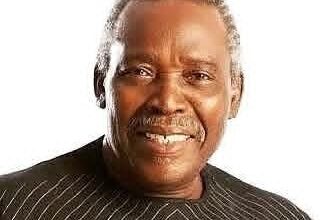
Sowore Opens Defence in Alleged Defamation Case Involving Tinubu, Yet to Perfect Bail Conditions

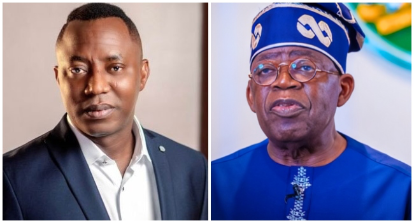
Human rights activist and former presidential candidate Omoyele Sowore has formally opened his defence in the alleged defamation case instituted against him in connection with remarks said to concern President Bola Ahmed Tinubu, even as reports indicate that he has yet to fulfill all the conditions attached to his bail.
The proceedings, which have continued to attract widespread public attention, represent another significant chapter in the legal dispute involving the outspoken activist, whose political commentary and public advocacy have frequently placed him at the centre of high-profile legal and political debates.
At the latest court session, Sowore’s legal team began presenting arguments in response to the allegations brought against him, maintaining that their client acted within the limits of the law and should not be held criminally liable for statements that form the basis of the case.
According to counsel representing the activist, the defence intends to challenge the allegations by presenting evidence and legal arguments aimed at demonstrating that the claims against Sowore lack sufficient merit.
Lawyers for the defence urged the court to carefully examine the facts, applicable laws, and constitutional protections relating to freedom of expression before reaching any conclusion on the matter.
Meanwhile, the prosecution reaffirmed its commitment to pursuing the case, insisting that the allegations before the court warrant judicial determination.
The prosecution argued that the legal process should be allowed to continue in accordance with established procedures, emphasizing that the court remains the appropriate forum for resolving disputes of this nature.
Aside from the substantive case, attention also focused on Sowore’s bail status after it emerged that he has not yet perfected all the conditions attached to the bail earlier granted by the court.
Court documents and submissions indicated that while bail had been approved, certain administrative and procedural requirements remain outstanding before the conditions can be regarded as fully satisfied.
Legal practitioners explain that the perfection of bail conditions is a standard judicial process requiring defendants to comply with specific directives issued by the court before enjoying the full benefits of the bail order.
Such conditions may include the provision of sureties, submission of required documentation, verification procedures, or fulfillment of other legal obligations determined by the court.
Failure to perfect bail conditions within the prescribed period does not necessarily amount to a conviction or determination of guilt but may have implications for the defendant’s custodial status until compliance is achieved.
Observers noted that the court did not allow discussions surrounding the bail issue to overshadow the substantive legal arguments presented during the hearing, with both parties continuing to focus on the allegations before the court.
The case has generated considerable public interest because of Sowore’s long-standing role as a political activist, publisher, and critic of successive governments.
Over the years, he has remained one of Nigeria’s most prominent advocates for accountability, transparency, and democratic reforms, often using public platforms to comment on governance, corruption, human rights, and national policy issues.
His supporters argue that the charges raise important questions regarding freedom of speech, political criticism, and constitutional rights within a democratic society.
Others, however, maintain that while freedom of expression is guaranteed under the Constitution, individuals remain responsible for statements that may allegedly violate existing laws.
Legal analysts have pointed out that courts are frequently called upon to balance two important legal principles—the protection of individual reputation and the constitutional guarantee of freedom of expression.
They note that the outcome of cases involving alleged defamation often depends on the evidence presented, the context in which statements were made, and the relevant statutory provisions governing such claims.
Political observers also believe the proceedings will continue to attract national attention given the personalities involved and the broader conversations surrounding civil liberties, political discourse, and judicial independence.
Meanwhile, the presiding judge adjourned further proceedings to allow both parties to continue presenting their respective cases in accordance with the court’s timetable.
The defence is expected to call additional witnesses and present further evidence as the trial progresses, while the prosecution will retain the opportunity to respond to those submissions before the court reaches a final decision.
For now, the legal process remains ongoing, and no determination has been made regarding the allegations against Sowore.
As the case continues, many Nigerians will be closely monitoring future proceedings, with legal experts emphasizing that only the court has the authority to determine the merits of the allegations after considering all available evidence and arguments presented by both sides.
The proceedings are expected to remain an important legal and political development, reflecting broader national discussions about accountability, constitutional rights, and the administration of justice in Nigeria.